What is THCa?
Tetrahydrocannabinolic acid (THCa) is the non-psychoactive precursor to Delta-9 THC found abundantly in raw cannabis plants. Unlike THC, THCa does not produce intoxicating effects in its natural state because it contains an additional carboxyl group (COOH) that prevents it from binding effectively to CB1 receptors in the brain. This fundamental structural difference makes THCa unique among cannabinoids, offering potential therapeutic benefits without the characteristic “high” associated with cannabis consumption.
In fresh, undried cannabis, THCa can represent up to 90% of the total THC content. However, through a process called decarboxylation—which occurs when cannabis is heated through smoking, vaping, cooking, or even prolonged storage—THCa loses its carboxyl group and converts into psychoactive THC. This transformation is what activates the compound’s intoxicating properties, making the method of consumption critical to the type of effects experienced.
THCa vs Delta-9 THC: Understanding the Key Differences
Chemical Structure and Psychoactivity
The primary distinction between THCa and Delta-9 THC lies in their molecular structure and resulting effects. THCa includes a carboxyl group that makes it non-psychoactive, while Delta-9 THC lacks this group, allowing it to produce intoxicating effects. When THCa is heated, it converts to Delta-9 THC at approximately 87.7% efficiency—meaning 5mg of THCa yields roughly 4.4mg of active THC after decarboxylation.
Raw, unheated THCa does not induce euphoria, altered perception, or the classic cannabis “high”. This makes it appealing for users seeking therapeutic benefits without cognitive impairment. However, once decarboxylated through smoking, vaping, or cooking, THCa becomes functionally identical to Delta-9 THC, producing the same psychoactive effects.
Duration and Onset
When consumed via inhalation (smoking or vaping), decarboxylated THCa produces effects within seconds to a few minutes, peaking around 30 minutes and lasting up to 6 hours. The onset and duration mirror those of traditional Delta-9 THC products because they are chemically the same compound after heat activation.
Legal Status
THCa occupies a legal gray area in the United States. Under the 2018 Farm Bill, hemp-derived products containing less than 0.3% Delta-9 THC on a dry weight basis are federally legal. Since THCa is non-psychoactive in its raw form and only converts to THC when heated, many hemp-derived THCa products fall within this legal threshold.
However, the DEA has clarified that products intended for human consumption that convert to THC through typical use could be treated as controlled substances. State laws vary significantly—some states like California, Florida, and Texas allow THCa products, while others like Idaho, Iowa, and South Dakota have banned them. As of 2025, the legal landscape continues to evolve, with potential federal regulation changes on the horizon.
Health Benefits and Therapeutic Potential
Anti-Inflammatory Properties
Research indicates that THCa exhibits significant anti-inflammatory effects by inhibiting cyclooxygenase enzymes (COX-1 and COX-2), similar to non-steroidal anti-inflammatory drugs. This makes THCa potentially beneficial for conditions characterized by chronic inflammation, such as arthritis and inflammatory bowel disease.
Neuroprotective Effects
THCa demonstrates neuroprotective properties in preclinical studies, suggesting potential applications for neurodegenerative diseases like Parkinson’s and Alzheimer’s disease. The compound appears to reduce the impact of neurodegenerative processes, though more clinical research is needed to confirm these effects in humans.
Anti-Nausea and Appetite Support
THCa may help alleviate nausea and vomiting, making it potentially useful for individuals undergoing chemotherapy or experiencing nausea from other medical conditions. Additionally, THCa has shown promise in regulating appetite without producing psychoactive effects.
Metabolic Health
Emerging research published in scientific journals demonstrates that THCa-A activates peroxisome proliferator-activated receptor-γ (PPARγ), suggesting potential benefits for managing metabolic disorders and diet-induced obesity. This represents an exciting area for future therapeutic development.
Other Potential Benefits
THCa possesses antioxidant properties that may help protect cells from oxidative stress and damage. Early studies also suggest possible benefits for pain relief, muscle relaxation, and stress reduction, though these effects require further validation through clinical trials.
THCa Product Categories: Your Complete Guide
THCa Flower
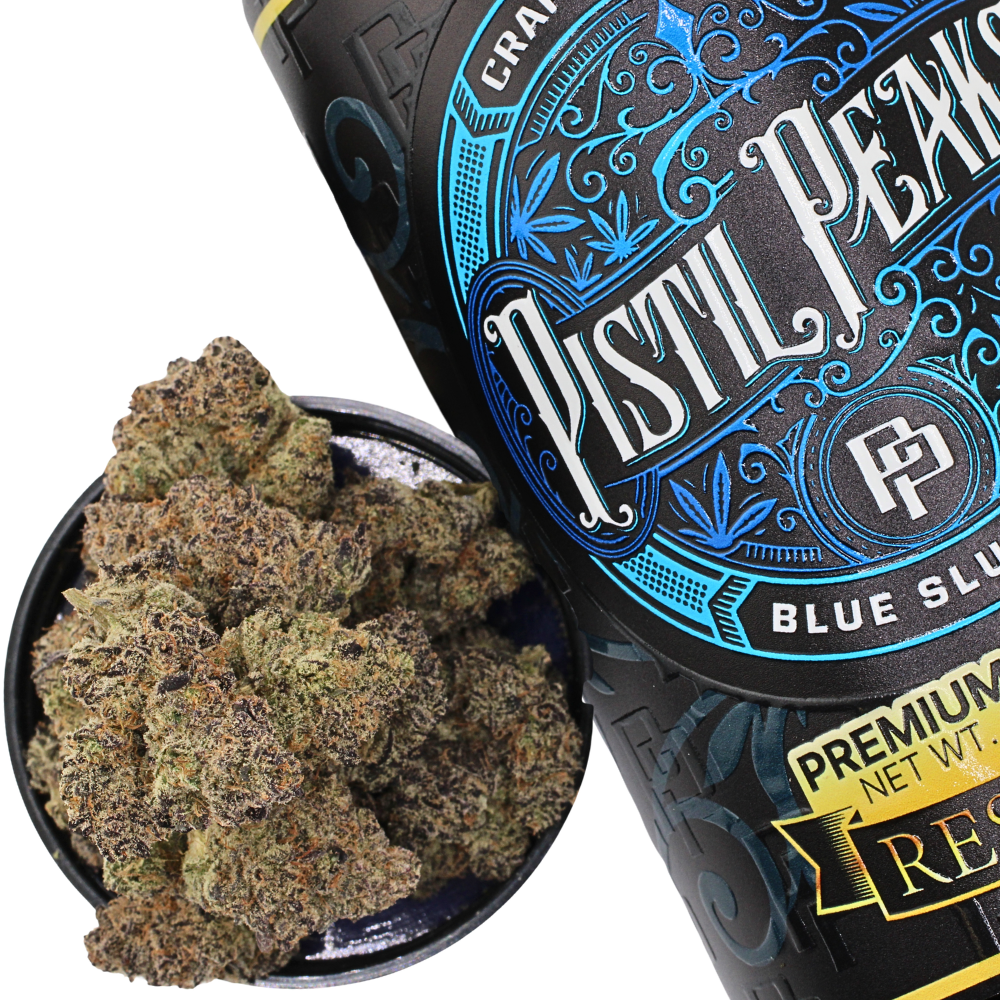
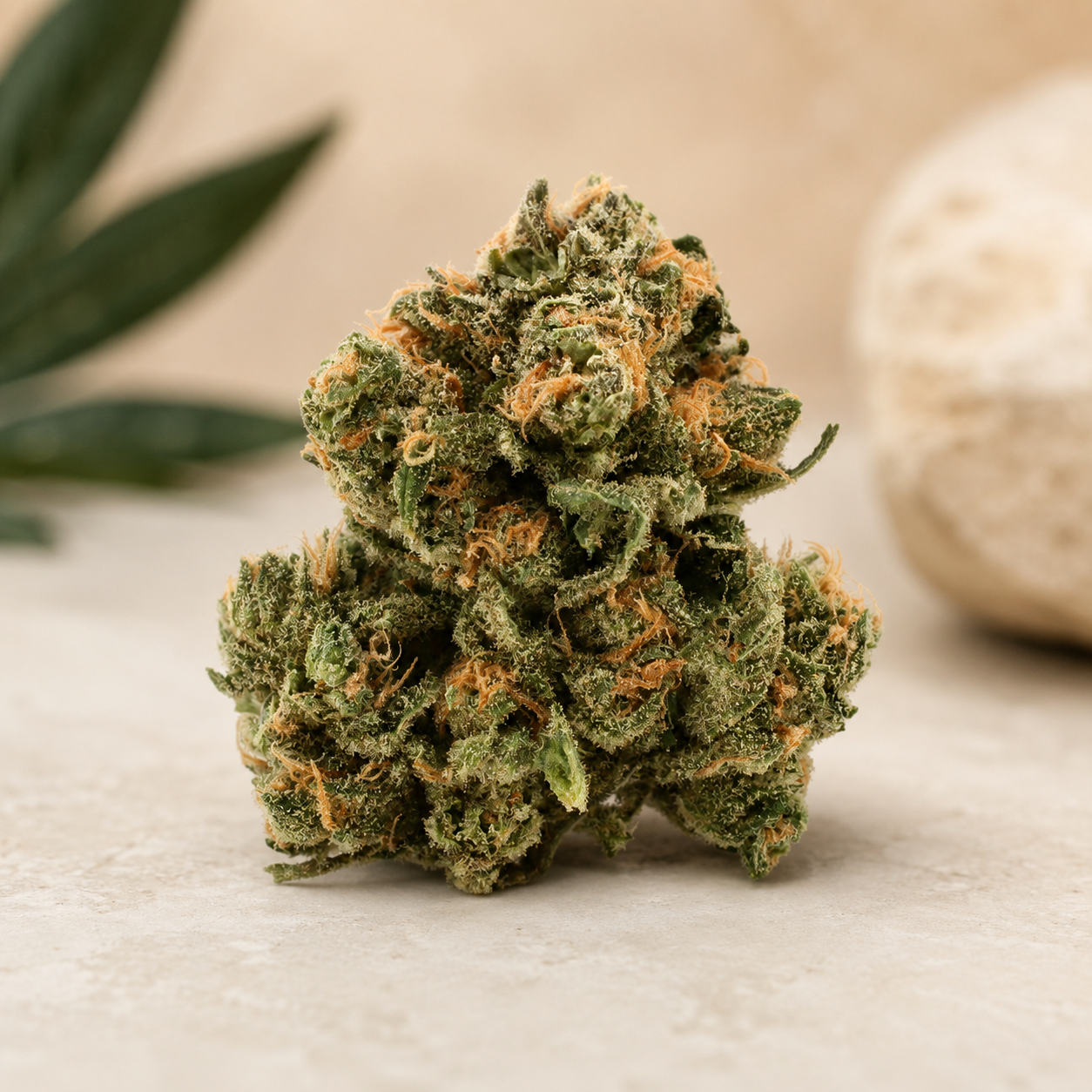
What It Is: THCa flower refers to hemp-derived cannabis buds that are rich in tetrahydrocannabinolic acid and contain less than 0.3% Delta-9 THC by dry weight. These buds look, smell, and function nearly identically to traditional marijuana flower but remain federally compliant under hemp laws.
How It’s Produced: Premium THCa flower starts with selecting high-quality hemp strains bred for maximum THCa content. Plants are harvested at peak trichome development—the frosty, crystal-like structures that contain cannabinoids and terpenes. The flower is then carefully dried and cured in controlled environments to preserve THCa without premature conversion to THC.
Quality Indicators:
-
Trichome coverage: High-quality flower should appear densely frosted with milky white or amber trichomes, not clear or brown
-
Aroma: Strong, pungent scents indicating intact terpene profiles—citrus, pine, diesel, berry, or earthy notes depending on strain
-
Bud structure: Dense, well-trimmed buds without excessive stems or seeds
-
Potency: Look for lab-tested flower with 20%+ THCa content and 22-30%+ total cannabinoids
-
Freshness: Flower should feel slightly sticky but not overly dry or hay-like
Consumption Methods:
-
Smoking: Traditional method using pipes, bongs, or rolled joints; provides fast onset (seconds to minutes) with effects lasting 2-3 hours
-
Vaping: Healthier alternative using dry herb vaporizers; preserves flavor and terpenes while reducing combustion byproducts
-
Raw consumption: Adding unheated flower to smoothies or salads preserves non-psychoactive THCa for potential wellness benefits
-
Cooking/infusing: Decarboxylating flower in an oven then infusing into oils or butter for edibles
Storage: Store in airtight, dark glass containers at 54-70°F in low-humidity environments away from light, heat, and moisture. Properly stored THCa flower maintains potency for 6 months to 1 year.
Top Strains for 2025:
-
Godfather OG (Snow Caps): 800mg THCa per jar, deep relaxation, earthy and piney with spicy citrus notes
-
Super Silver Haze: 31.69% THCa, energizing sativa for daytime clarity and productivity
-
Blue Dream: 26.14% THCa, sativa-dominant hybrid with sweet blueberry and earthy notes
-
White Runtz: 50/50 hybrid with balanced effects
-
Sour Diesel: Classic sativa with pungent diesel aroma and energizing effects
THCa Gummies and Edibles
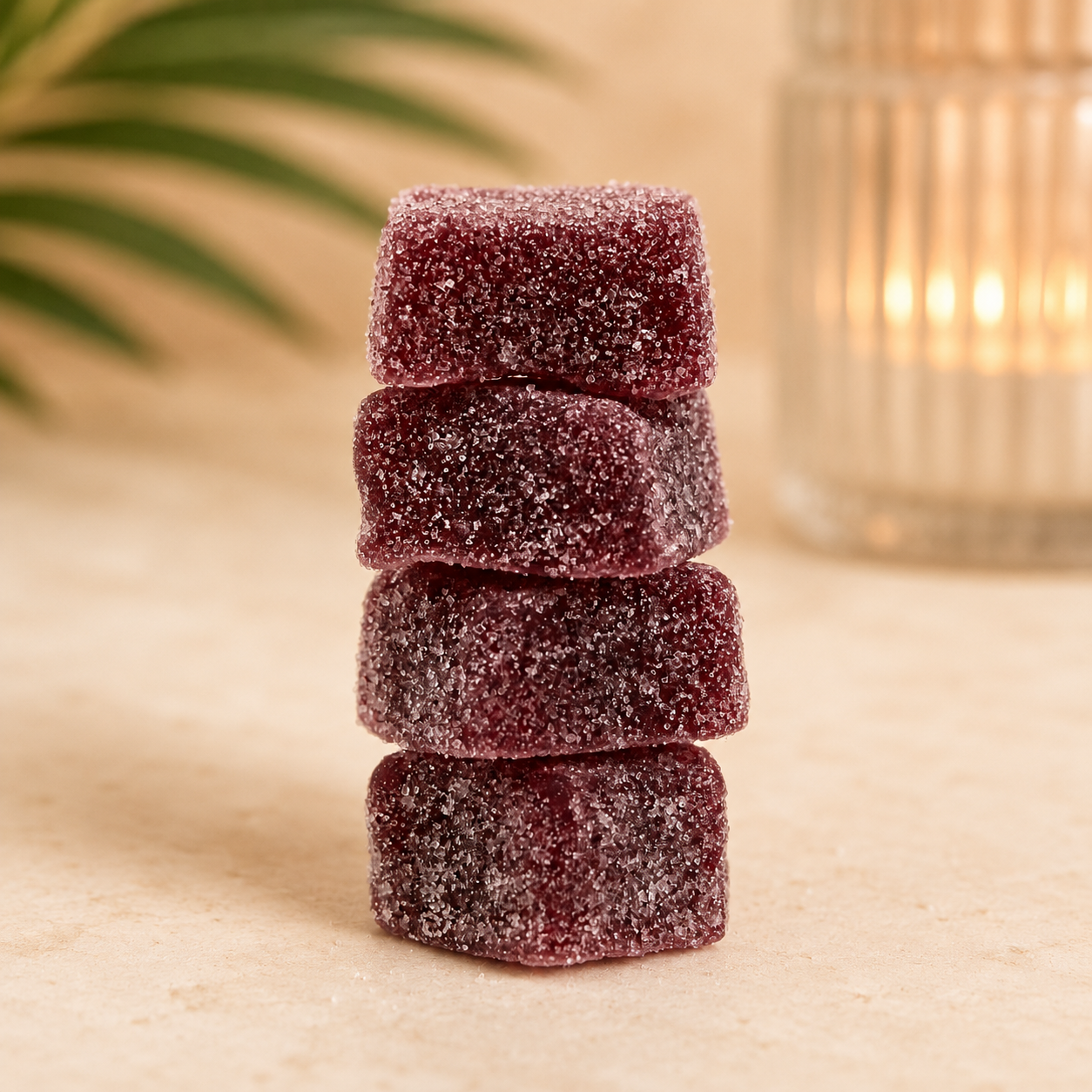
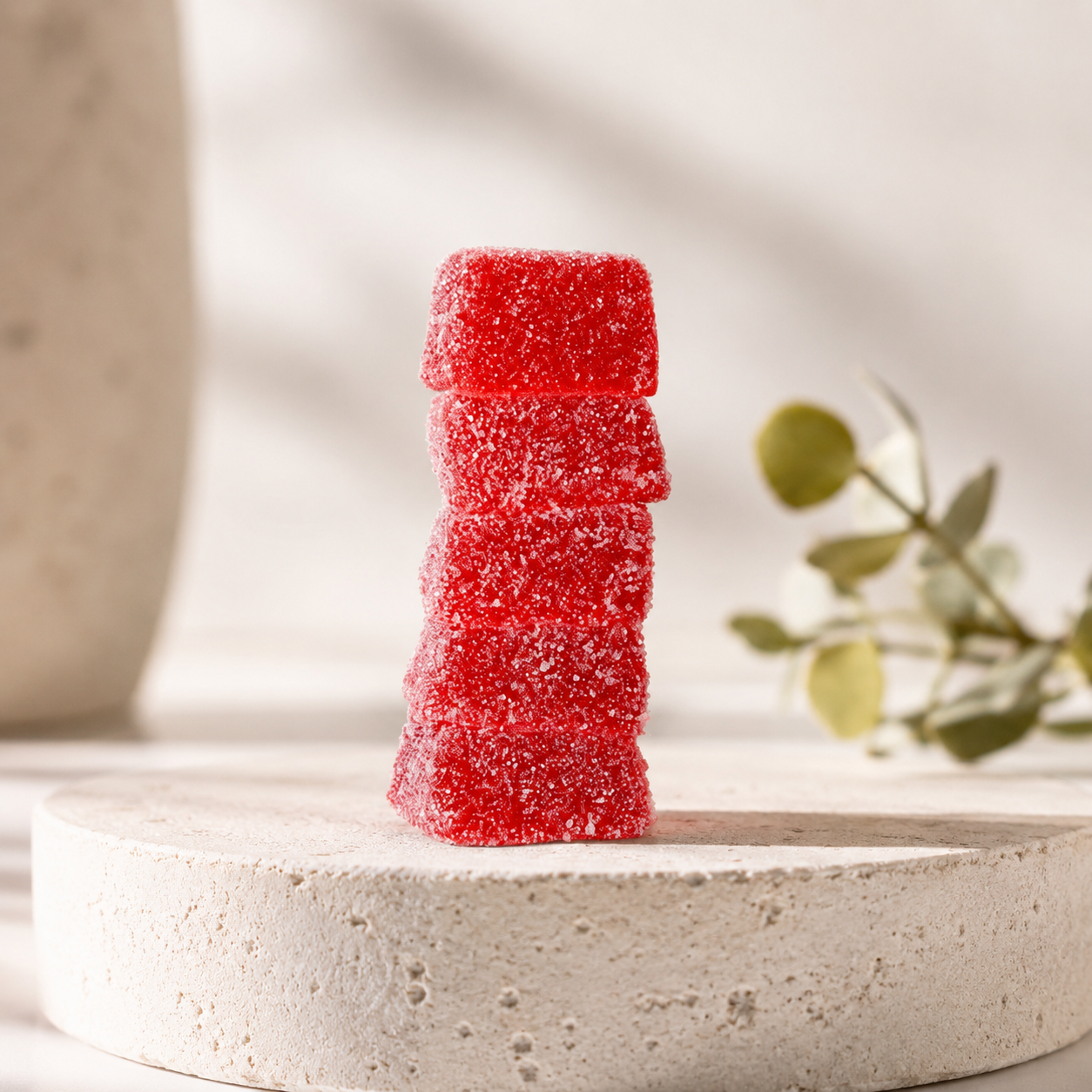
What They Are: THCa gummies are cannabis-infused edibles that have undergone decarboxylation, converting THCa into active THC. Unlike raw THCa products, these gummies produce psychoactive effects similar to traditional THC edibles.
How They Work: When consumed, THCa gummies are metabolized through the digestive system and liver, converting THC into the more potent 11-hydroxy-THC. This produces more intense and longer-lasting effects compared to inhalation methods.
Dosing Guidelines:
-
Beginners: Start with 5-10mg THCa, or half a gummy
-
Experienced users: 10-20mg or 1-2 gummies
-
Wait time: Allow 30-90 minutes for onset; effects can last 4-8 hours
How to Use: Chew gummies thoroughly to allow cannabinoids to mix with saliva and enzymes, creating a gradual release. For sleep support, consume 30-60 minutes before bedtime. Always follow the “start low and go slow” principle, waiting at least 2-4 hours before consuming more.
Storage: Keep in airtight containers away from heat, humidity, light, and air to prevent degradation. Refrigeration can extend shelf life up to 6 months.
Popular Uses:
-
Sleep support and insomnia relief
-
Stress and anxiety reduction
-
Pain management and inflammation
-
Recreation and social relaxation
THCa Vapes (Cartridges and Disposables)
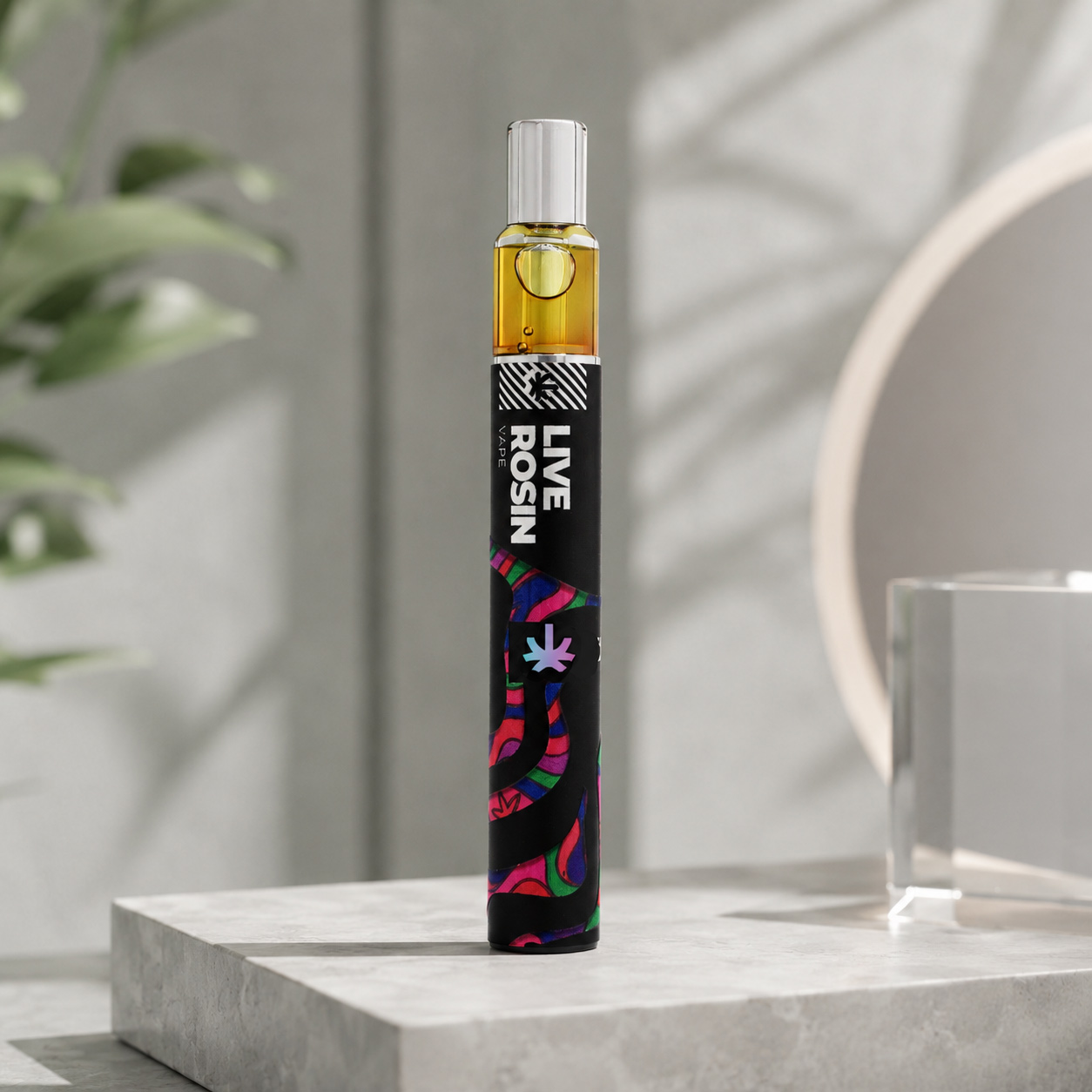
What They Are: THCa vapes are electronic devices containing THCa-rich oil that heats the concentrate to temperatures sufficient to convert THCa into Delta-9 THC vapor. They’re available as rechargeable cartridges or disposable pens.
How They Work: The vape device heats THCa oil to 350-450°F (175-230°C), triggering decarboxylation and producing psychoactive THC vapor. This vapor is inhaled through the mouthpiece, delivering fast-acting effects within seconds to minutes.
Benefits:
-
Ease of use: No grinding, rolling, or preparation required
-
Discretion: Minimal odor and portable design
-
Potency: High concentration of THCa (often 70-90%+) provides strong effects
-
Flavor preservation: Terpene-rich profiles deliver authentic strain flavors
Types Available:
-
Live Resin Vapes: Made from flash-frozen cannabis to preserve terpenes; offers bold, terpene-rich flavor
-
Live Rosin Vapes: Solventless extraction using heat and pressure; cleaner and more natural
-
Disposables: Pre-filled, ready-to-use devices with no charging needed
-
Cartridges: Refillable or replaceable carts compatible with 510-thread batteries
Dosing for Daytime Use:
-
New users: 1 small puff, wait 10-15 minutes
-
Occasional users: 1-2 pulls maximum
-
Daily users: Adjust based on tolerance
Popular Strains:
-
Blue Dream: Uplifting, blueberry diesel flavor
-
GMO: Indica, earthy, sedative effects
-
Lemon Cherry Gelato: Hybrid, citrusy, potent
-
OG Kush: Indica, classic gas aroma, euphoric
Storage: Store cartridges upright in cool, dark places to prevent leaking and preserve potency.
THCa Concentrates and Dabs
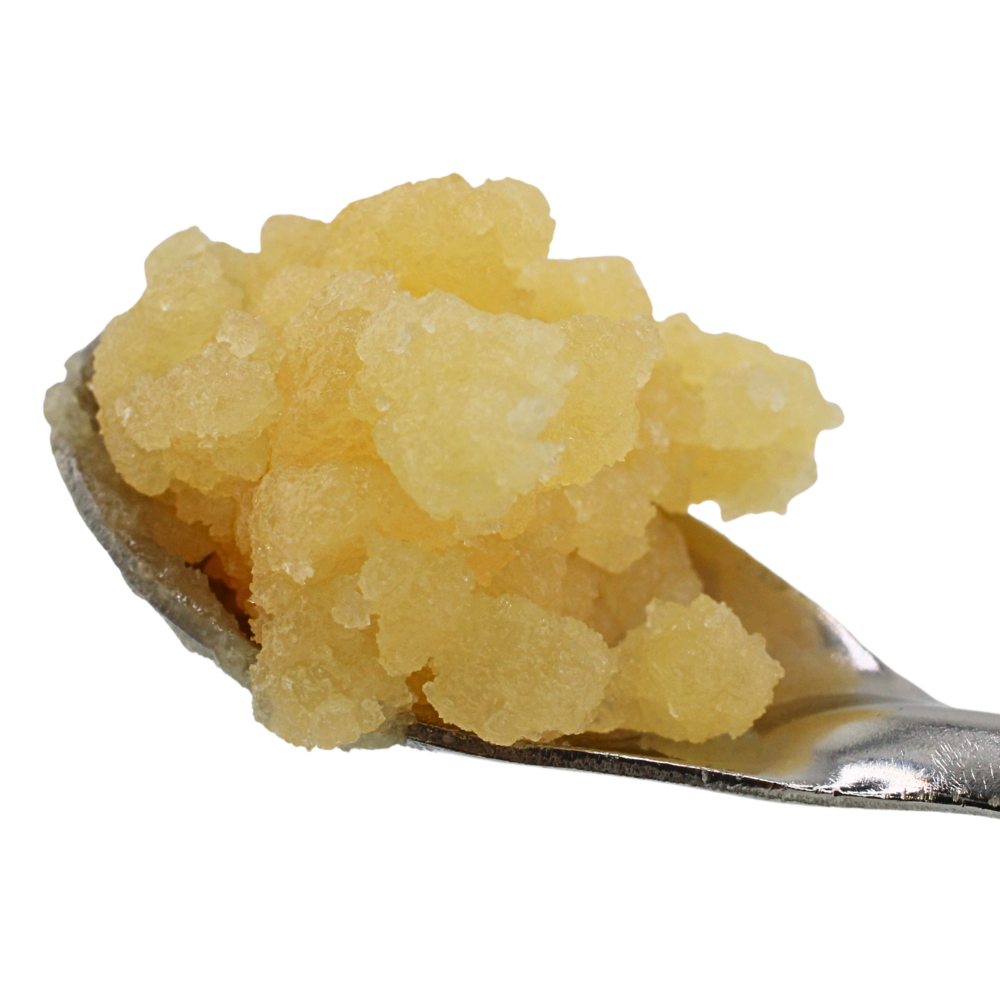
What They Are: THCa concentrates are highly potent cannabis extracts containing 70-90%+ THCa, available in various textures including wax, crumble, badder, shatter, diamonds, and live resin/rosin.
Types of Concentrates:
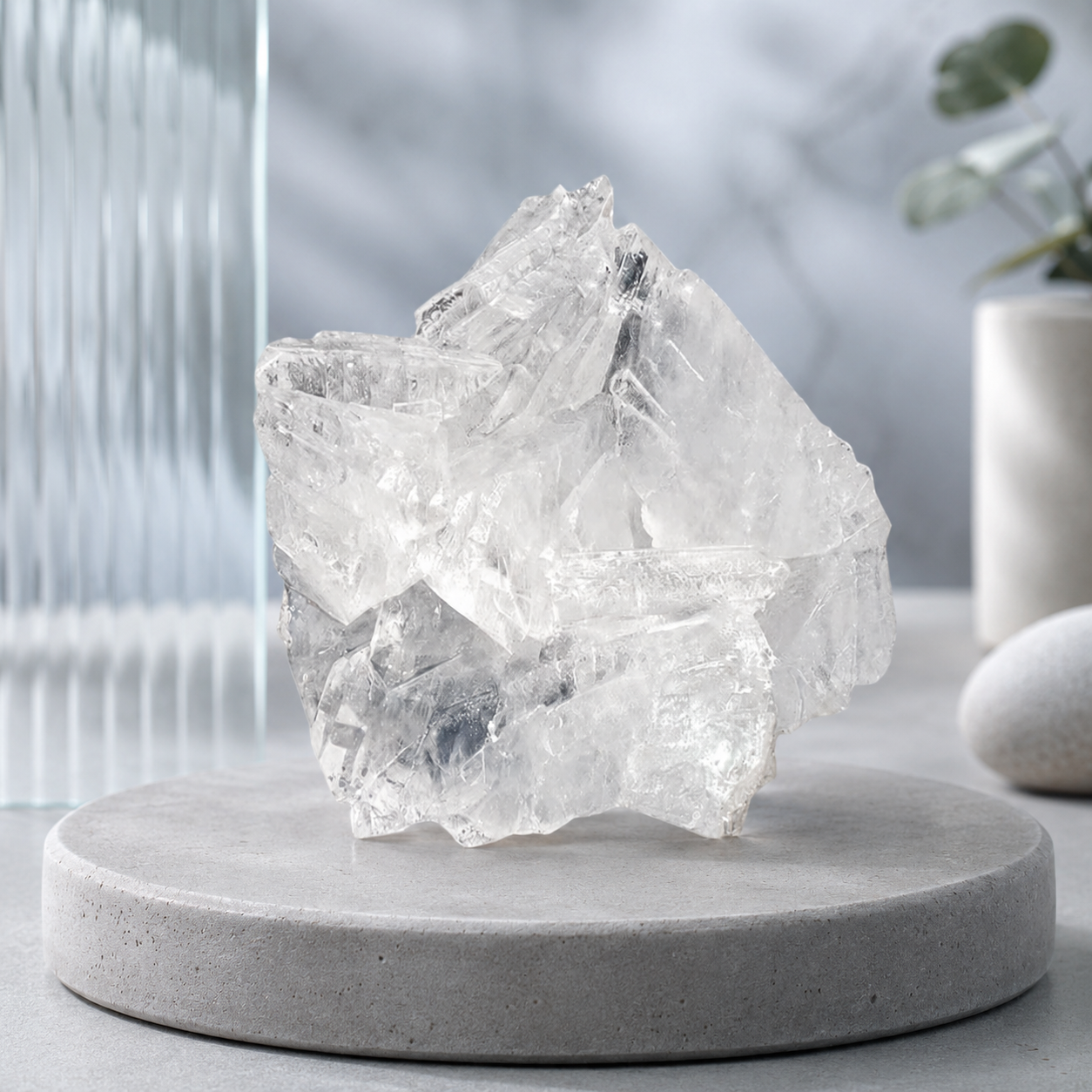
THCa Diamonds: Ultra-pure crystalline THCa, often combined with terpene-rich sauce; can test up to 99.99% purity. Used primarily for dabbing with intense, fast-acting effects.
THCa Wax/Badder: Soft, butter-like consistency that’s easy to handle and scoop; contains 60-90% THCa. Ideal for beginners due to manageable texture.
THCa Crumble: Dry, crumbly texture that’s easy to dose and add to flower or other products.
THCa Shatter: Glass-like, translucent concentrate that breaks apart easily; known for extreme purity and stability with 70-90% THC.
Live Resin vs Live Rosin:
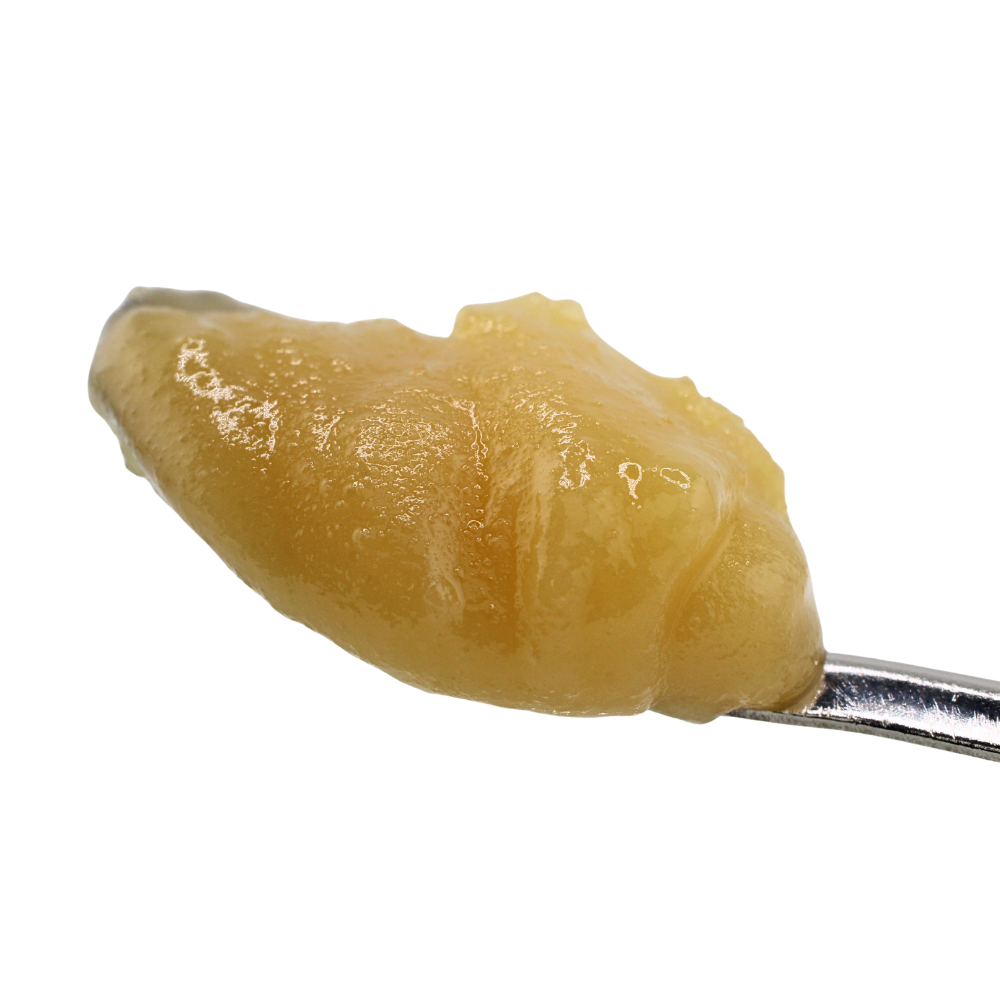
Live Resin uses solvent-based extraction (butane or propane) on flash-frozen cannabis to preserve full terpene and cannabinoid profiles. It offers bold, terpene-rich flavor with high potency and tends to be more affordable.
Live Rosin uses a solventless method involving heat and pressure applied to fresh-frozen cannabis or bubble hash. It’s 100% chemical-free, appealing to health-conscious consumers, with a buttery or waxy texture and clean, true-to-plant flavor. Live rosin typically costs more due to the labor-intensive extraction process.
How to Dab THCa:
-
Gather supplies: Dab rig, butane torch or e-nail, dabber tool, carb cap (optional)
-
Prepare rig: Fill with water for filtration
-
Heat the nail/banger: Torch for 25-30 seconds until faintly glowing, then cool for 45+ seconds (optimal temp: 350-450°F)
-
Dose the concentrate: Use dabber tool to place a rice grain-sized amount on the nail
-
Inhale slowly: As concentrate vaporizes, inhale through the mouthpiece
-
Use carb cap: Place over nail to regulate airflow and maximize vaporization
Beginner Safety Tips:
-
Start with a rice grain-sized dab (1-2mg)
-
Wait 15+ minutes before taking another
-
Use low to medium temperatures (500-550°F) for smoother hits
-
Stay hydrated and sit down during use
-
Choose beginner-friendly textures like badder or crumble
Storage: Store in airtight, dark glass containers at 54-70°F; refrigerate for long-term storage, but let reach room temperature before opening to prevent condensation. Shelf life varies: shatter lasts 6-12 months, wax/crumble 3-6 months, live resin 4-6+ months when properly stored.
Cold Cure Cannabis
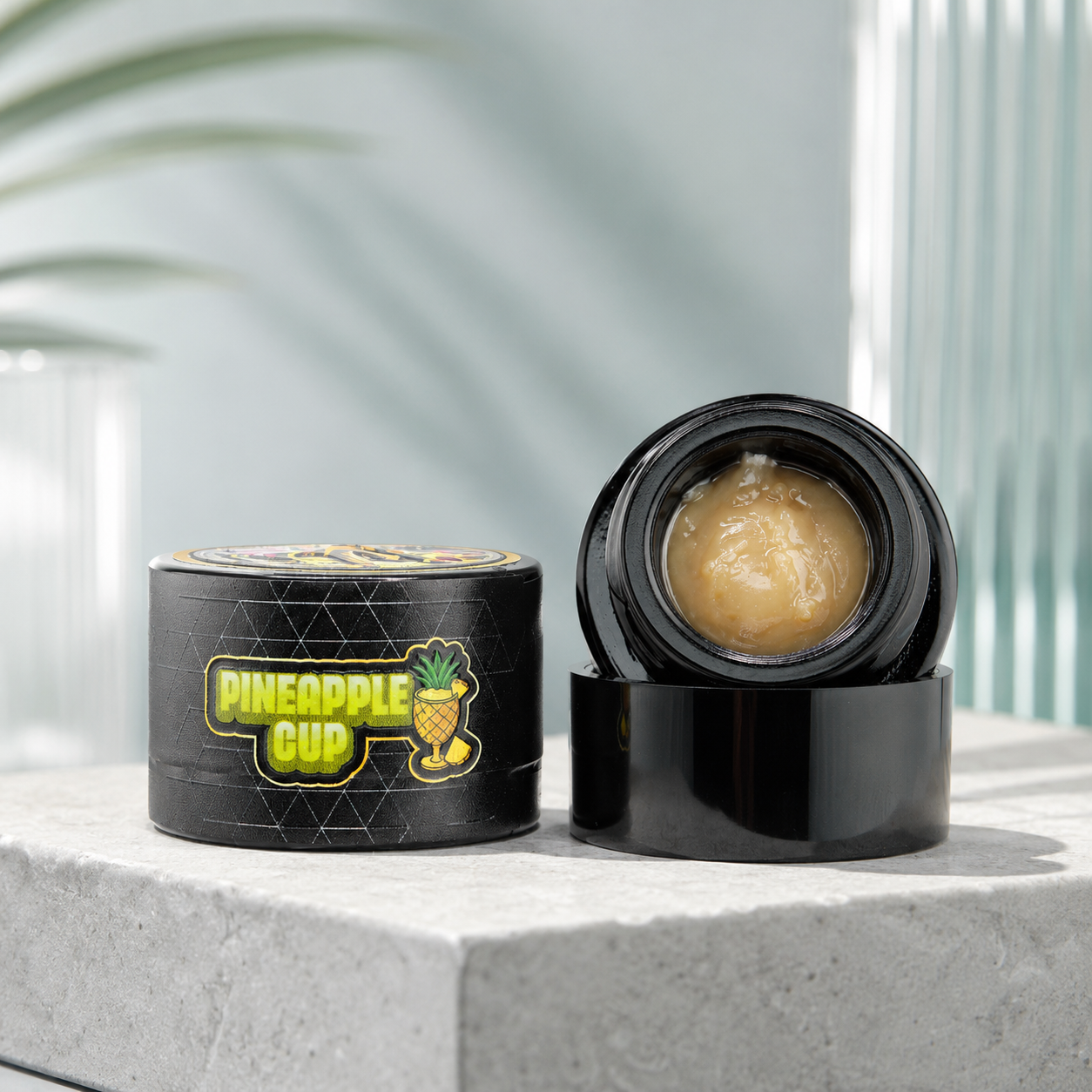
What It Is: Cold cure refers to a specialized curing process where freshly pressed cannabis concentrates (typically rosin) or flower are stored at cool temperatures (40-65°F) in sealed jars for 4-8 weeks. This method preserves delicate terpenes and cannabinoids better than traditional room-temperature curing.
Why It Matters:
-
Extreme terpene retention: Cold temperatures prevent terpene evaporation, preserving complex aromas and flavors
-
THCa stability: Prevents premature decarboxylation into THC, keeping cannabinoids in their acidic form
-
Trichome integrity: Maintains intact resin glands for maximum quality and bag appeal
-
Prevents overdrying: Maintains ideal moisture levels (55-60% RH) without degrading the product
Cold Cure Process:
-
Initial drying: Dry flower at 55-60°F and 55-60% RH for 10-14 days, never exceeding 60°F
-
Cold storage: Place in airtight mason jars or vacuum-sealed bags and refrigerate at 40-50°F
-
Burping: Open jars every few days for the first two weeks to release trapped gases
-
Cure duration: 4-8 weeks minimum; some connoisseurs cure for 3+ months
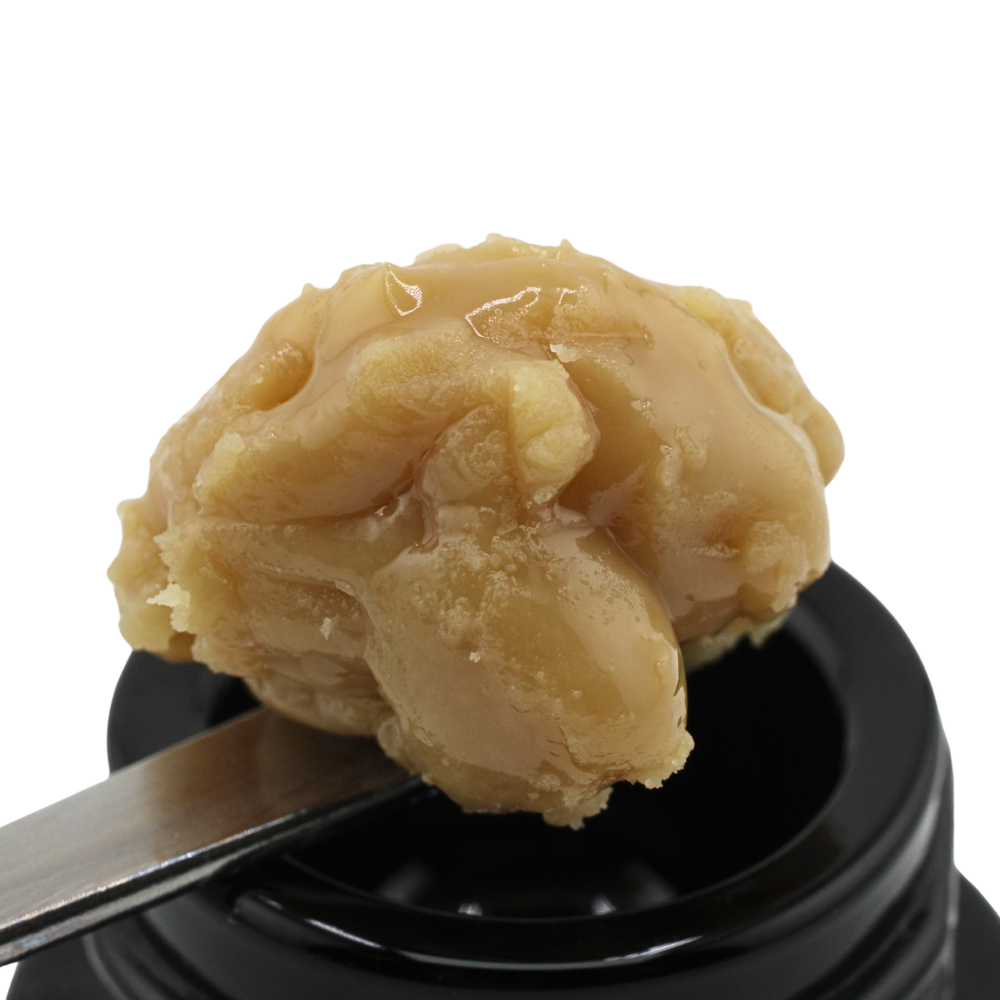
Benefits for Concentrates (Rosin):
-
Creates desirable “badder” consistency similar to cake batter
-
Enhanced smoothness and flavor profile
-
Improved potency through terpene preservation
-
Reduced oxidation and longer shelf stability
Slow Cure vs Cold Cure Comparison:
| Factor | Slow Cure | Cold Cure |
|---|---|---|
| Time | 3-6 weeks | 4-8 weeks |
| Temperature | 60-70°F | 40-50°F |
| Moisture | 55-60% RH | 55-60% RH |
| Terpene Retention | High | Highest |
| THCa Stability | High | Highest |
| Best For | Smooth smoking experience | Maximum flavor & potency |
Many craft growers combine both methods, starting with a slow cure and finishing with cold cure for optimal results.
Dosing Guidelines and Safety
General Dosing by Experience Level
Absolute Beginners: 1-2.5mg THCa
Low Tolerance: 2.5-5mg THCa
Moderate Experience: 5-10mg THCa
Experienced Users: 10-20mg THCa
High Tolerance: 20mg+ THCa
Dosing Formulas by Body Weight
Low Strength: (0.05) × (body weight in lbs) = daily THCa dosage in mg
Medium Strength: (0.1) × (body weight in lbs) = daily THCa dosage in mg
High Strength: (0.15) × (body weight in lbs) = daily THCa dosage in mg
Dosing by Intended Use
-
Sleep: Medium strength formula
-
Mental Relaxation: Low strength formula
-
Physical Comfort: Medium strength formula
-
Recreation: Low strength formula
Product-Specific Dosing
THCa Flower: For 20% THCa flower, achieving 5mg THCa requires approximately 25mg of flower material (5 ÷ 0.20 × 1000 = 25mg)
THCa Concentrates/Dabs: With 70-90% potency, start with rice grain-sized amounts (1-2mg of concentrate) for beginners; experienced users may use 5-15mg
THCa Vapes: 1 small puff for new users, 1-2 pulls for occasional users
Factors Affecting Dosage
-
Body weight: Heavier individuals typically require higher doses
-
Metabolism: Faster metabolisms may need slightly higher amounts or more frequent dosing
-
Tolerance: Regular users develop tolerance requiring higher doses over time
-
Consumption method: Bioavailability varies—inhalation is fastest, edibles are most potent but slower
-
Product potency: Always check lab reports for actual THCa percentages
Common Side Effects
When Heated/Decarboxylated (Psychoactive Effects):
-
Dry mouth (cottonmouth)
-
Fatigue or drowsiness
-
Increased anxiety or paranoia (especially at high doses)
-
Memory or cognitive impairment
-
Altered perception
Raw THCa (Non-Psychoactive):
-
Digestive discomfort, upset stomach
-
Dry mouth
-
Possible allergic reactions to plant material (rare)
Risk Mitigation:
-
Start with low doses and increase gradually
-
Stay hydrated
-
Avoid mixing with alcohol or other substances
-
Consume in safe, comfortable environments
-
Read product labels and COAs carefully
Lab Testing and Quality Assurance
Why Lab Testing Matters
Lab testing ensures THCa products are safe, free from harmful contaminants, accurately labeled, and federally compliant. All hemp-derived THCa products must undergo testing to verify they contain less than 0.3% Delta-9 THC by dry weight.
What to Look for on a Certificate of Analysis (COA)
Cannabinoid Profile:
-
THCa percentage: Look for 20%+ in quality flower; concentrates should show 70-90%+
-
Total cannabinoids: Premium flower contains 22-30%+ total cannabinoids
-
Delta-9 THC content: Must be below 0.3% for federal compliance
-
Other cannabinoids: CBD, CBG, CBN levels if present
Terpene Profile: Bonus points for products listing specific terpene percentages and types
Contaminant Testing: Must show absence or safe levels of:
-
Pesticides and herbicides
-
Heavy metals (lead, mercury, arsenic)
-
Mold, mildew, and mycotoxins
-
Residual solvents (for extracts)
-
Microbial contaminants
Testing Methods: The USDA requires post-decarboxylation methods or similarly reliable approaches using gas chromatography (GC) or liquid chromatography (LC). Total THC is calculated as: THC + (THCa × 0.877).
Red Flags for Sprayed Hemp
Some low-quality vendors spray CBD flower with THCa distillate to fake high potency. Warning signs include:
-
Flower feels sticky but smells artificial or chemical
-
Crystals look added after the fact, not natural trichomes
-
Inconsistent THCa numbers versus visual quality
-
Burns harshly or tastes off
-
No clear terpene profile on COA
How to Verify Real THCa: Look for naturally grown flower with intact trichomes, strong natural aromas, and COAs showing balanced cannabinoid-to-terpene ratios.
The Entourage Effect: Cannabinoids and Terpenes Working Together
What Is the Entourage Effect?
The entourage effect describes the synergistic interaction between various cannabis compounds—cannabinoids, terpenes, and flavonoids—that produces enhanced therapeutic effects greater than any single compound alone. This phenomenon occurs because these compounds interact with the body’s endocannabinoid system (ECS) in complementary ways.
How Terpenes Enhance THCa
Research demonstrates that terpenes combined with THC significantly increase CB1 receptor activity compared to THC alone. Specific terpenes act as natural solvents that improve cannabinoid bioavailability and enhance blood-brain barrier permeability, making THCa more effective.
Studies show that THCa works synergistically with terpenes like myrcene to optimize the concentration of active compounds within the body. The terpene myrcene increases cell membrane permeability, allowing cannabinoids to enter cells more easily.
Top 5 Terpenes in THCa Products
Myrcene: Earthy, musky aroma; promotes relaxation, muscle relaxation, and anti-inflammatory effects
Limonene: Citrus scent; provides mood elevation, stress relief, and analgesic properties
Caryophyllene: Spicy, peppery notes; offers anti-inflammatory and pain relief benefits; unique among terpenes for binding to CB2 receptors
Pinene: Pine aroma; enhances alertness, memory retention, and has bronchodilator effects
Linalool: Floral, lavender scent; aids sleep, reduces anxiety, and provides calming effects
Practical Applications
Different cannabis strains have unique combinations of cannabinoids and terpenes that produce distinct therapeutic profiles. For example:
-
Indica strains with high myrcene promote deep relaxation and sleep
-
Sativa strains with limonene and pinene enhance focus and energy
-
Hybrid strains offer balanced effects through diverse terpene blends
When selecting THCa products, consider both the cannabinoid potency and the terpene profile to achieve desired effects through the entourage effect.
How to Choose Quality THCa Products
Visual Quality Indicators
Trichome Coverage: Premium THCa flower should have dense, frosty trichomes covering buds and sugar leaves; milky white or amber color indicates peak ripeness
Bud Structure: Look for tight, dense nugs with minimal stems; hand-trimmed is superior to machine-trimmed
Color: Vibrant greens with purple, orange, or gold accents; avoid brown, dull, or excessively pale buds
Aroma and Freshness
High-quality THCa flower has strong, pungent, strain-specific aromas—citrus, pine, diesel, berry, or earthy notes. Avoid products with musty, hay-like, or grassy smells, which indicate poor curing or potential mold contamination.
Lab Testing and Transparency
Must-haves:
-
Third-party lab reports (COAs) readily available
-
Batch numbers and test dates clearly labeled
-
Full cannabinoid and terpene profiles
-
Contaminant testing results
-
Compliance verification (under 0.3% Delta-9 THC)
Red flags:
-
Vendors who can’t or won’t provide lab tests
-
Missing or incomplete COAs
-
No batch traceability
Source and Growing Methods
Indoor (Craft-Grown):
-
Controlled environment produces consistent, high-quality trichomes
-
Denser buds with stronger aromas
-
Higher price point but premium quality
Outdoor:
-
Sun-grown can yield full-spectrum buds
-
More environmental exposure increases pest/degradation risk
-
More variation in appearance and aroma
Greenhouse: Combines quality with sustainability; offers controlled environment benefits with natural light
Brand Reputation
Look for brands that:
-
Disclose growing methods and cultivation practices
-
Provide transparent lab results for every batch
-
Are based in legal hemp-growing states
-
Offer small-batch, hand-trimmed products
-
Have positive customer reviews and industry reputation
Pricing Considerations
While quality THCa products cost more, extremely low prices may indicate:
-
Sprayed or enhanced flower
-
Poor growing conditions
-
Lack of proper testing
-
Old or degraded stock
Premium indoor flower typically ranges higher than outdoor or greenhouse options, but the enhanced quality, potency, and terpene preservation justify the investment for serious consumers.
Industry Trends and Market Outlook for 2025
Explosive Market Growth
The THCa market is experiencing remarkable expansion, with industry estimates projecting the sector could reach $2-3 billion by 2028. In 2023 alone, THCa sales accounted for 23% ($200 million) of the $2.8 billion hemp-derived product market, ranking third behind Delta-8 THC (44.2%) and hemp-derived Delta-9 THC (20.3%).
The broader U.S. cannabis industry is projected to reach $45.35-46 billion by 2025-2027, with a compound annual growth rate (CAGR) of 24.03%. This growth is fueled by increasing consumer acceptance, expanding legal markets, and growing awareness of cannabis wellness benefits.
Rising Consumer Demand
Consumer interest in THCa products has surged for several reasons:
-
Legal accessibility: THCa offers a federally compliant alternative to traditional marijuana in states without adult-use legalization
-
Potency and effects: When heated, high-quality THCa flower delivers experiences comparable to dispensary cannabis
-
Wellness applications: Non-psychoactive raw THCa appeals to health-conscious consumers seeking anti-inflammatory and neuroprotective benefits
-
Product diversity: The market now offers flower, vapes, concentrates, edibles, tinctures, and topicals to suit varied preferences
A 2025 cannabis trends report shows a sharp uptick in demand for clean, lab-tested products with high cannabinoid percentages—exactly what premium THCa products deliver.
Product Innovation and Trends
THCa Pre-Rolls: Dominating the 2025 hemp market with fast-acting effects, convenience, and potent infused options (diamonds, not sprays)
Concentrates: Live resin and live rosin THCa products are gaining popularity, with solventless rosin accounting for 14-22% of dabbable sales in mature markets like California and Colorado
Cold Cure Products: Premium cold-cured flower and rosin are becoming highly sought-after for their superior terpene preservation and flavor profiles
THCa Beverages and Fast-Acting Edibles: Nano-emulsification technology enables rapid onset (10-20 minutes) edibles, appealing to consumers seeking faster effects
Diamond-Infused Products: THCa diamonds and crystalline concentrates testing up to 99.99% purity represent the pinnacle of potency
Regulatory Landscape
The legal status of THCa remains a critical factor shaping the industry’s future:
-
Current federal status: Legal under the 2018 Farm Bill if derived from hemp with less than 0.3% Delta-9 THC
-
2025 Farm Bill concerns: Reauthorization may redefine hemp to exclude cannabinoid-rich parts, potentially threatening THCa’s legal status
-
State-level variation: Legal interpretations differ widely, with some states embracing THCa and others imposing restrictions or bans
-
DEA scrutiny: The DEA has clarified that products converting to THC through typical use could fall under controlled substance regulations
Challenges Ahead
Regulatory uncertainty: Pending federal legislation could reshape the entire THCa market
Market competition: With pre-rolls and beverages dominating sales, THCa brands must innovate to differentiate
Consumer education: Misconceptions about THCa’s legality and effects persist, requiring clear labeling and dosing guidelines
Quality control: The prevalence of sprayed or low-quality products necessitates rigorous third-party testing and transparency
Future Outlook
Despite challenges, the THCa market is positioned for continued growth through:
-
Product expansion: Expect more THCa tinctures, topicals, beverages, and wellness-focused formulations
-
Increased research: Rising interest brings funding for medical trials and better understanding of therapeutic applications
-
Broader acceptance: As education spreads, THCa could help normalize cannabis in traditionally hesitant communities
-
Premium positioning: Craft growers and quality-focused brands will thrive as consumers prioritize lab-tested, terpene-rich products
The consensus among industry analysts is clear: THCa represents a significant growth opportunity within the evolving cannabis landscape, provided regulatory frameworks remain favorable and brands maintain quality standards.
Your THCa Product Portfolio
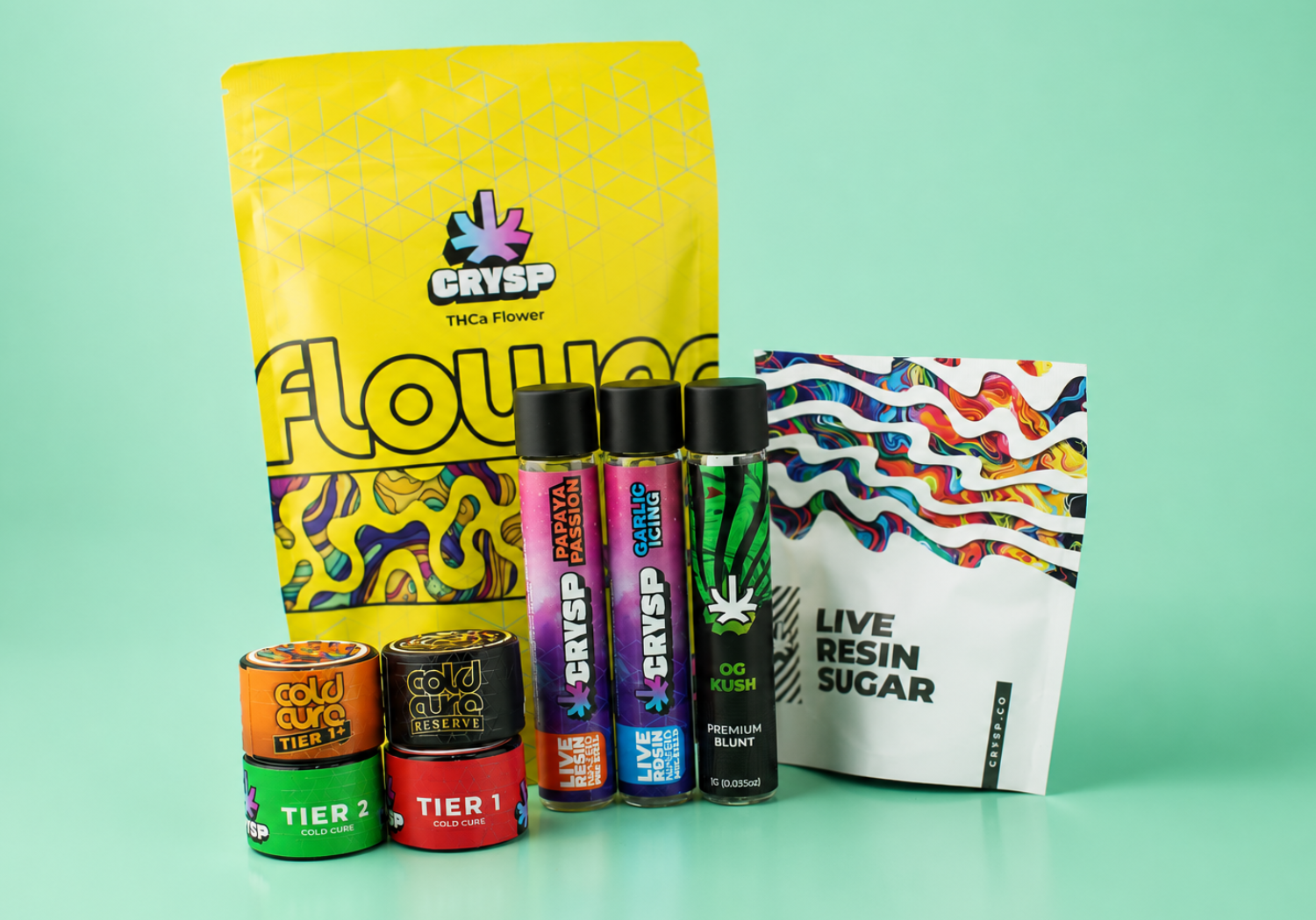
Based on your product offerings, here’s how each category fits into the comprehensive THCa ecosystem:
THCa Cannabis Gummies
Premium decarboxylated edibles offering controlled dosing, long-lasting effects (4-8 hours), and discreet consumption. Ideal for sleep support, stress relief, and consistent therapeutic benefits without inhalation.
THCa Flower (The Best THCa Flower Online)
Indoor-grown, craft-quality buds with 20%+ THCa content, dense trichome coverage, and robust terpene profiles. Perfect for smoking, vaping, or raw consumption, offering versatile effects from energizing sativas to relaxing indicas.
THCa Vapes
Convenient cartridges and disposables delivering 70-90%+ potency with terpene-rich flavor. Fast-acting effects with discretion and ease of use, available in strain-specific options for daytime energy or evening relaxation.
Live Resin Carts
Solvent-extracted concentrates made from flash-frozen cannabis, preserving maximum terpenes for bold, authentic flavor. Offers full-spectrum experience with high potency and efficient cannabinoid delivery.
Live Rosin Carts
Solventless, chemical-free extraction using only heat and pressure. Appeals to health-conscious consumers seeking the cleanest, most natural concentrate experience with rich terpene profiles.
Cold Cure Cannabis
Premium flower or concentrates cured at 40-65°F for 4-8 weeks, delivering extreme terpene retention, superior flavor, and maximum cannabinoid stability. Represents the pinnacle of craft cannabis quality.
THCa Concentrates
High-potency extracts (70-90%+ THCa) in various textures—wax, badder, crumble, shatter, diamonds—for dabbing or vaporizing. Offers intense, fast-acting effects for experienced users seeking maximum potency.
Live Resin Dabs
Fresh-frozen, terpene-rich concentrates with robust flavor profiles and full-spectrum effects. Ideal for consumers who prioritize taste and potency in their dabbing experience.
Conclusion
THCa products represent a rapidly evolving segment of the cannabis industry, offering diverse options for both therapeutic and recreational consumers. From non-psychoactive raw flower to potent concentrates testing over 90% purity, the THCa market provides something for every experience level and preference.
Understanding the fundamental differences between THCa and Delta-9 THC, proper dosing guidelines, consumption methods, and quality indicators empowers consumers to make informed purchasing decisions. As the market continues to grow—projected to reach billions by 2028—prioritizing lab-tested, transparently sourced products from reputable brands ensures safety, compliance, and optimal effects.
Whether you’re seeking the wellness benefits of raw THCa, the convenience of vapes and gummies, the potency of concentrates, or the premium quality of cold-cured products, the 2025 THCa landscape offers unprecedented variety and innovation. By staying educated on legal developments, quality standards, and consumption best practices, consumers can navigate this dynamic market with confidence and maximize the therapeutic and experiential potential of this remarkable cannabc and experiential potential of this remarkable cannabinoid.