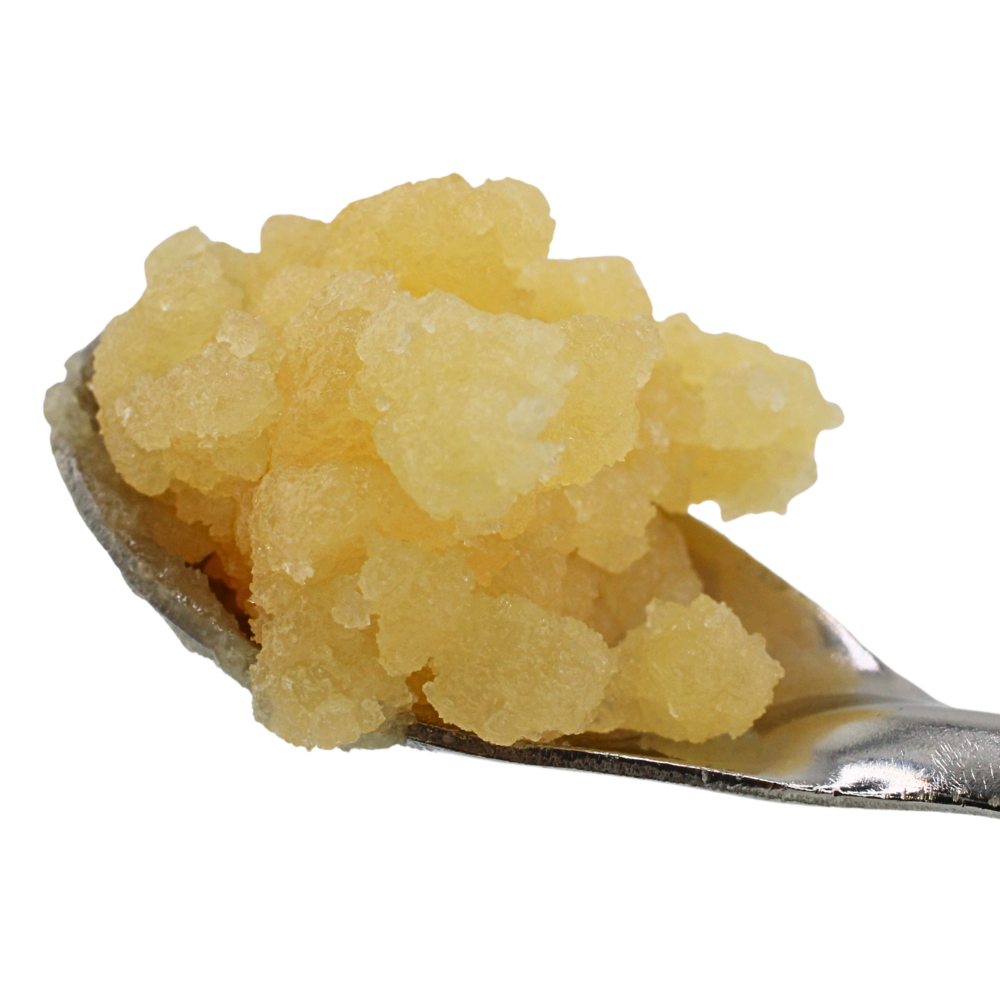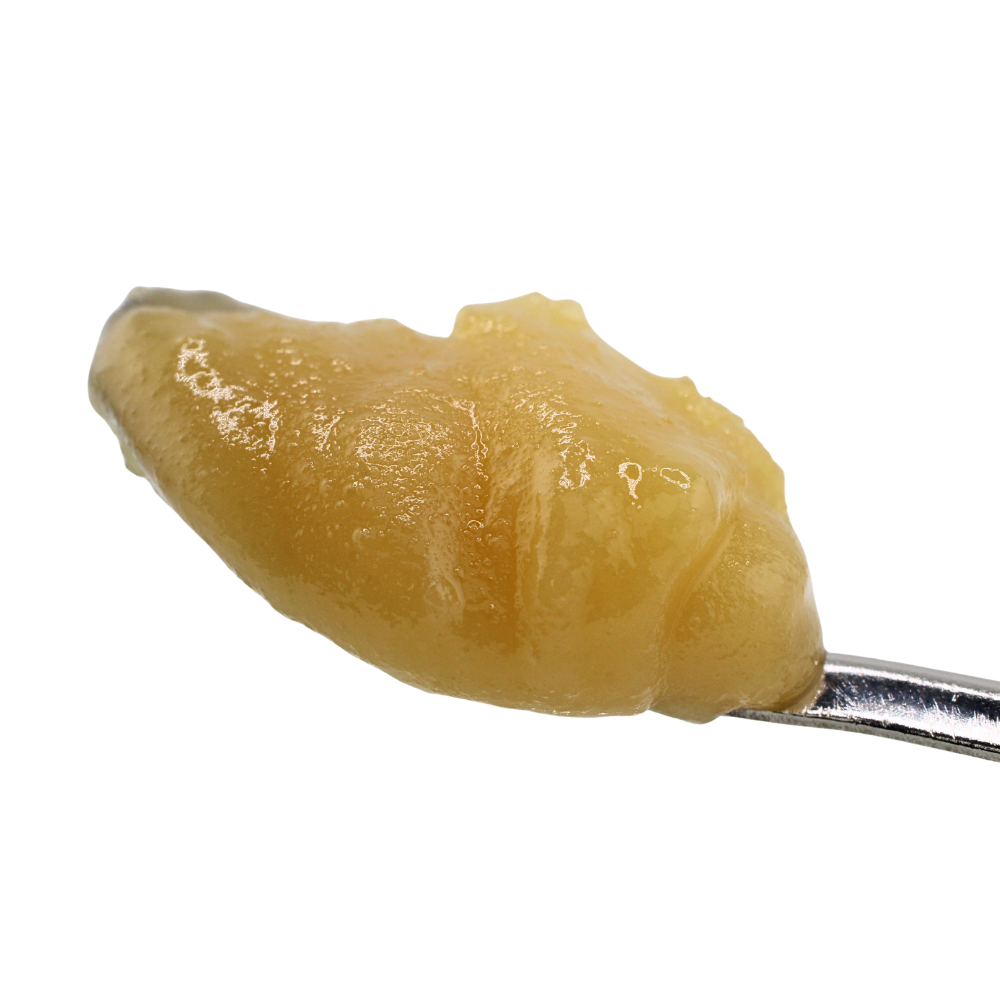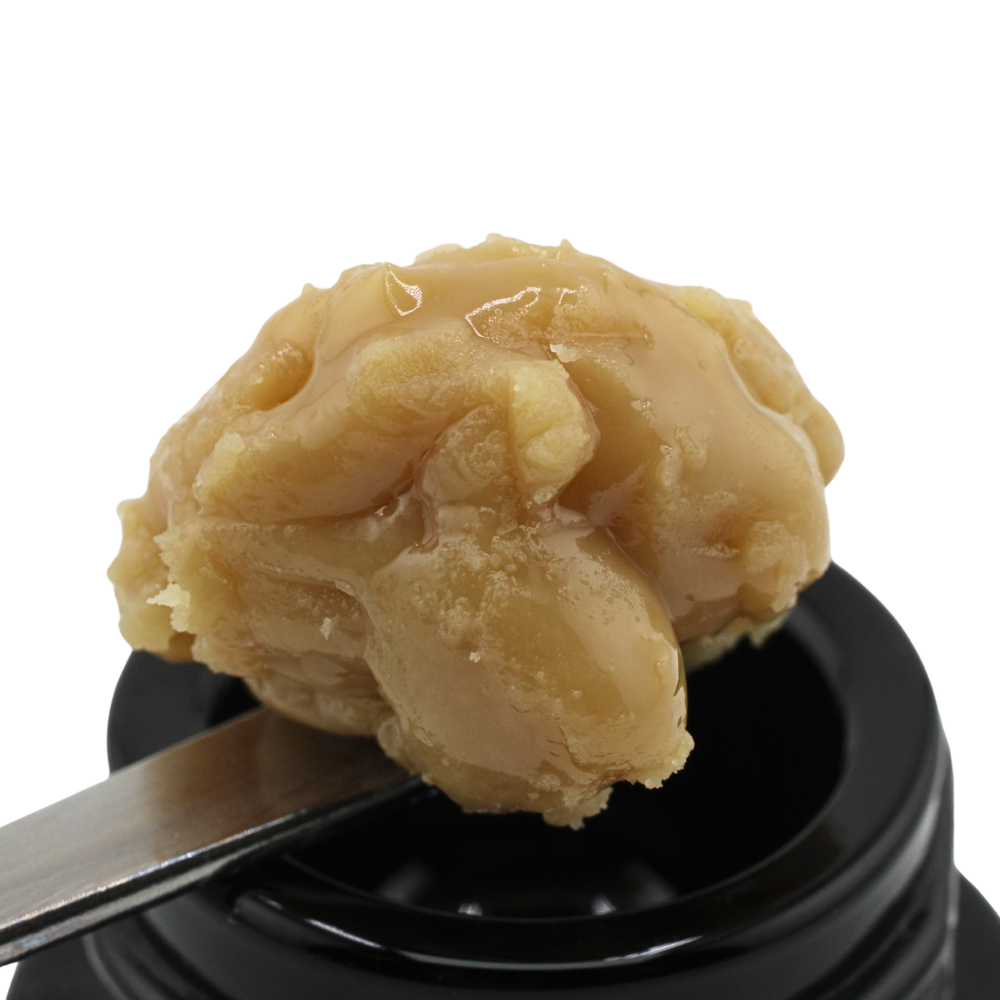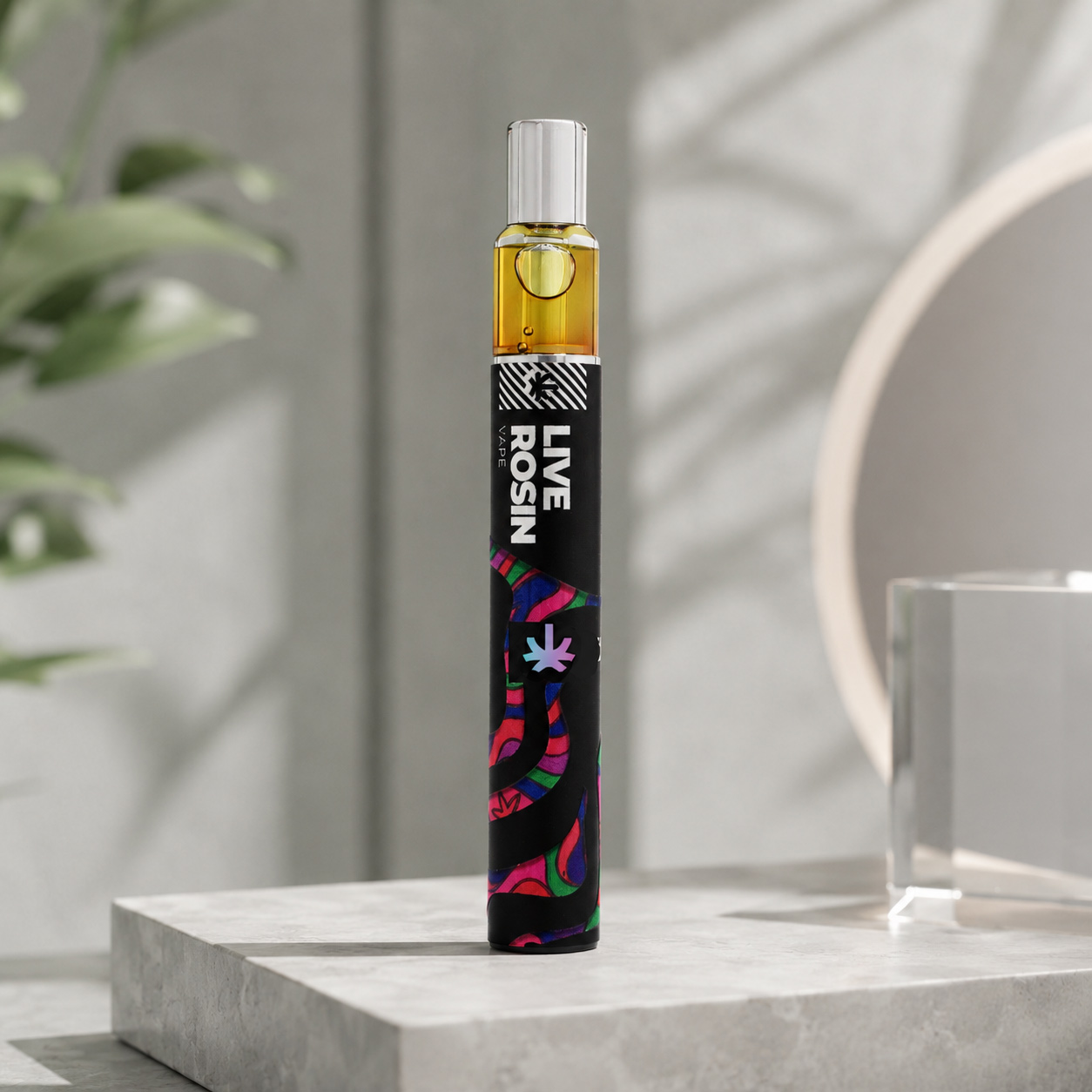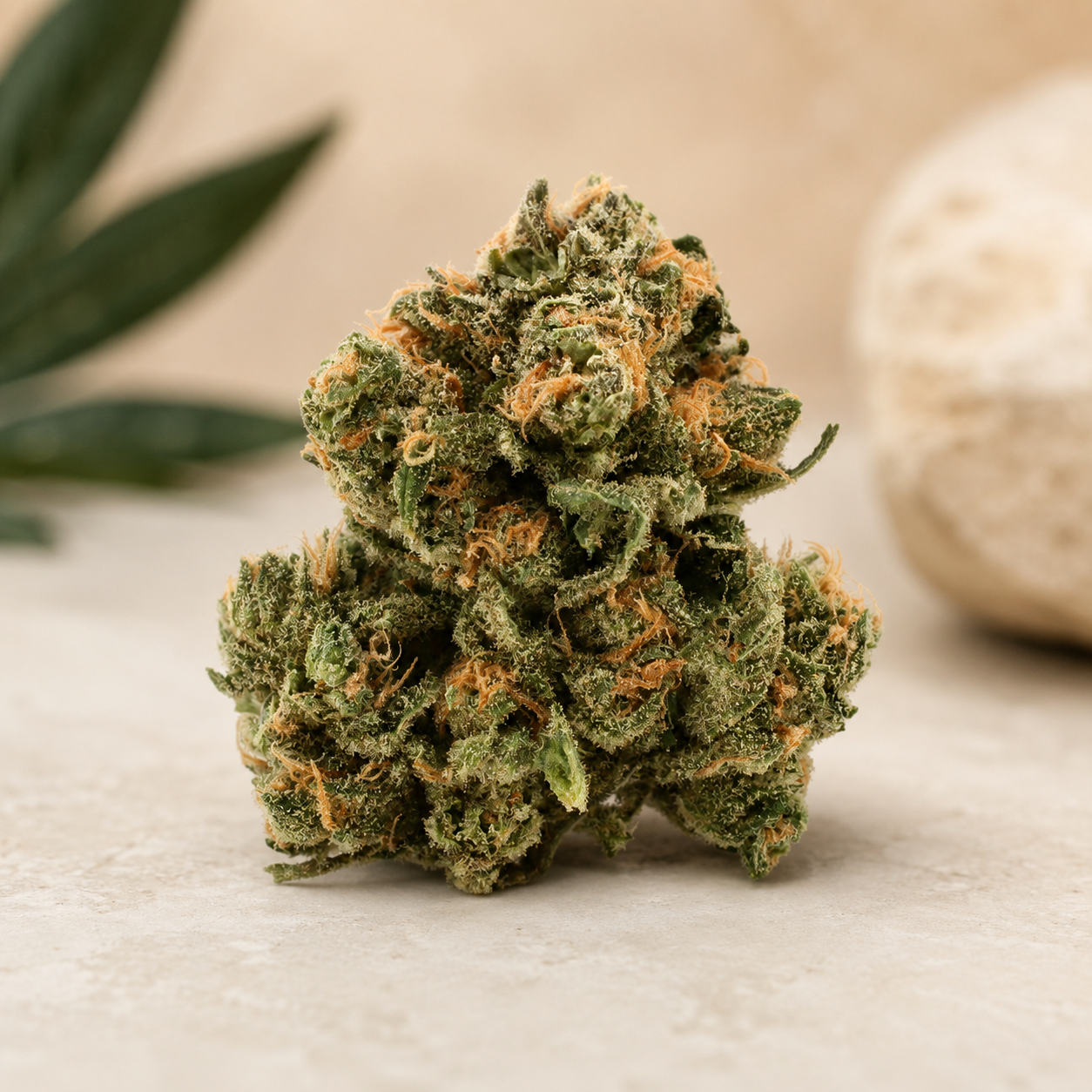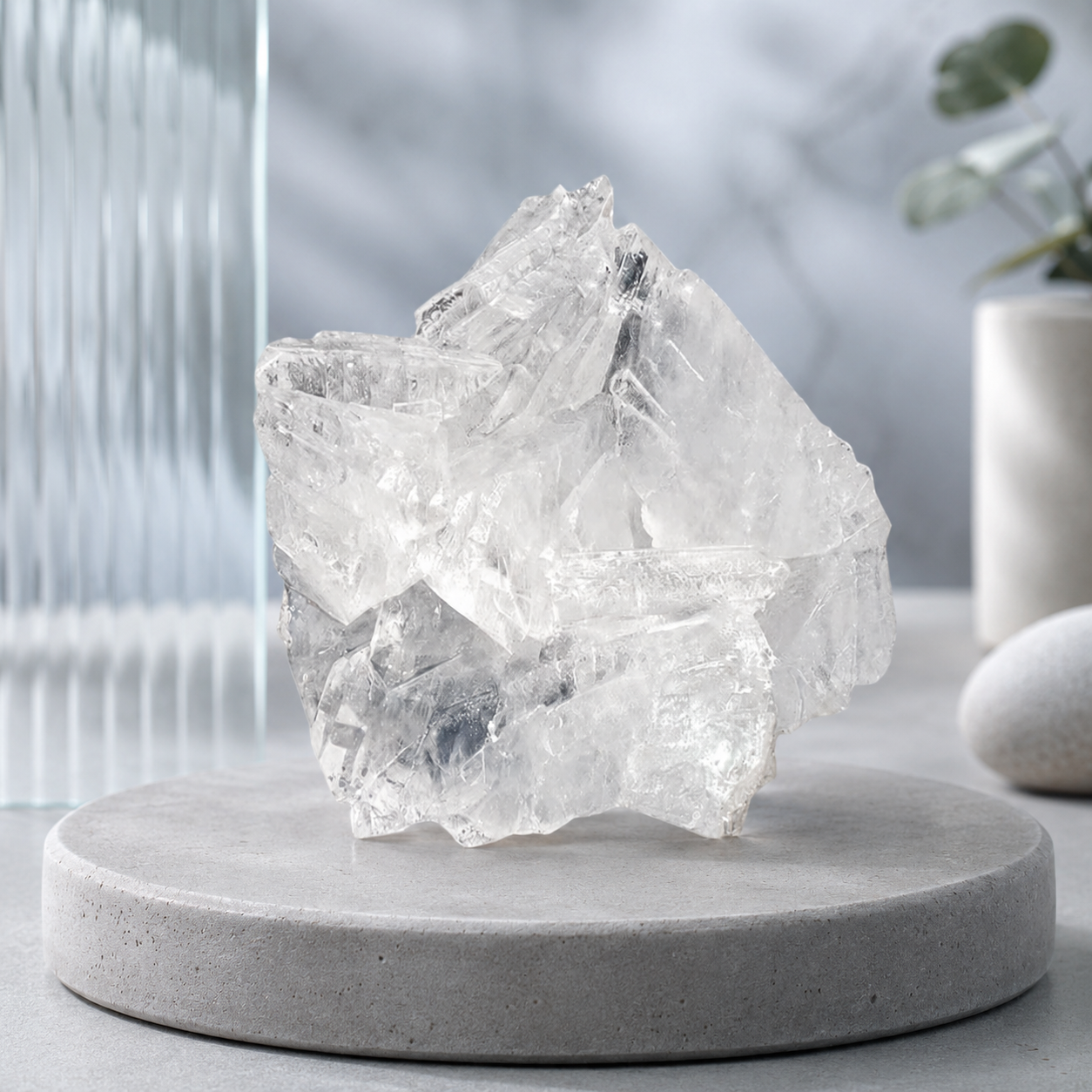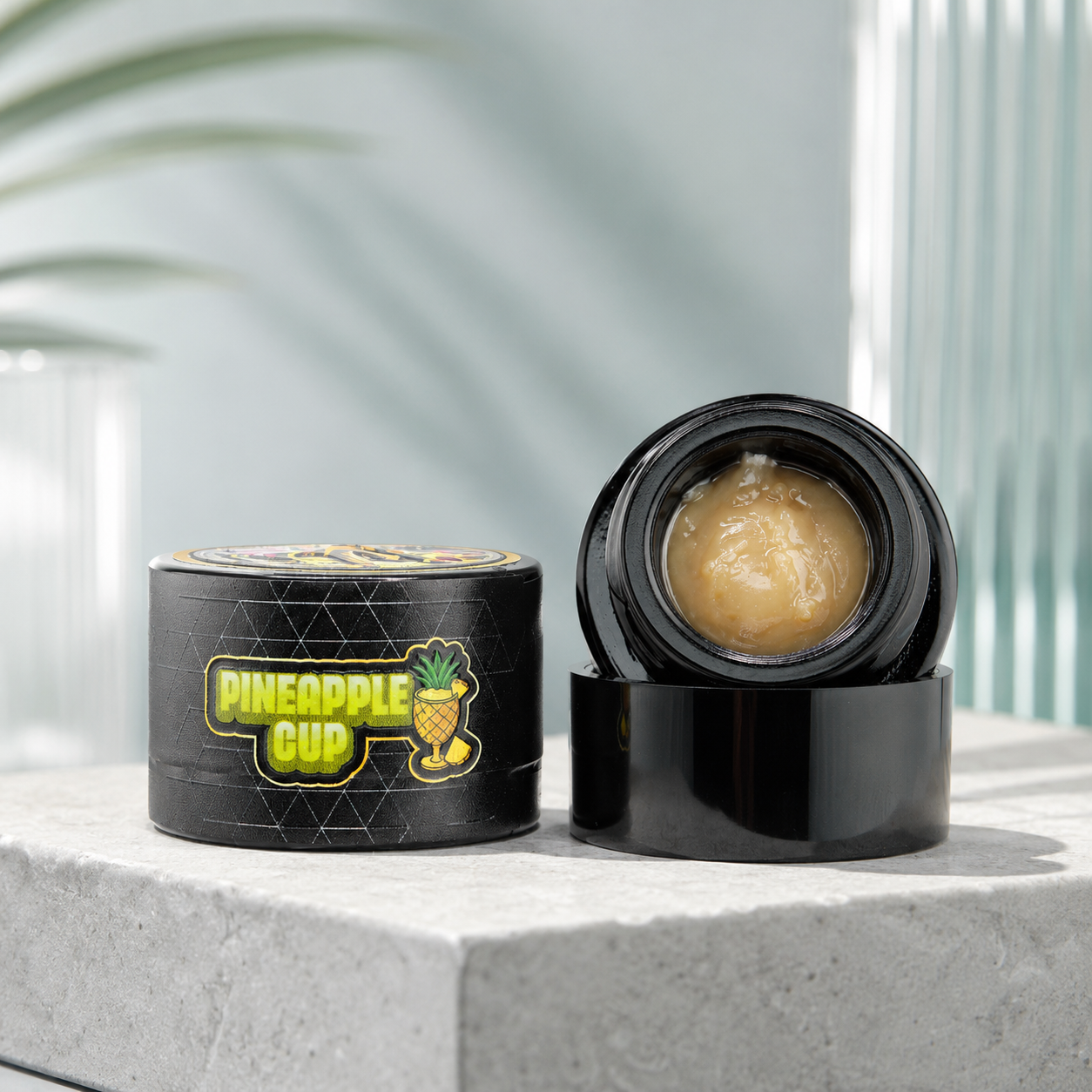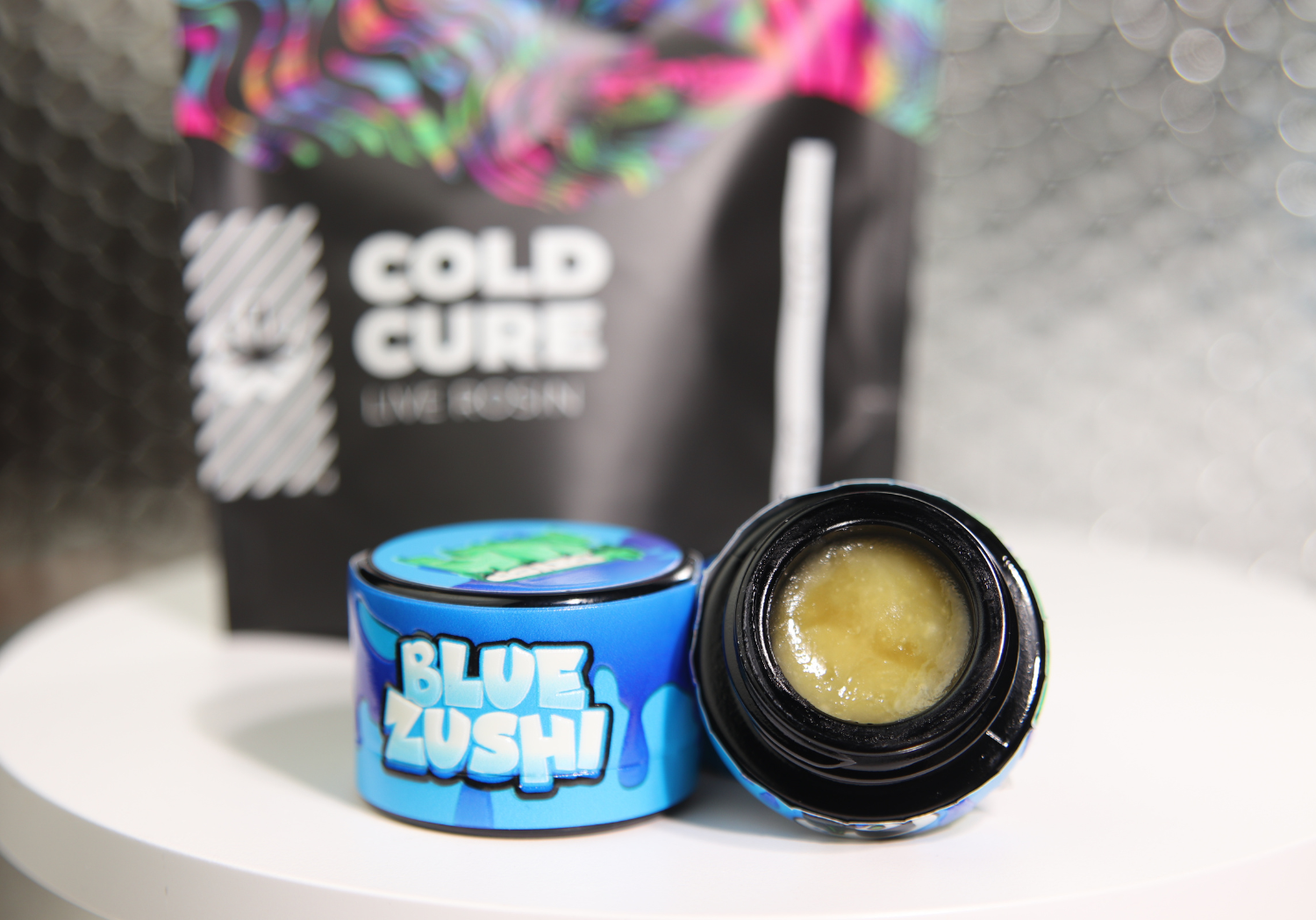
Rosin is a solventless cannabis concentrate prized for its purity and rich terpene profile. Unlike heat-curing, cold curing simply means storing freshly-pressed rosin in a sealed jar at cool temperatures (around 40–70 °F) for a period of days or weeks. This gentle approach lets the rosin “badder up” into a creamy, butter-like texture and locks in terpenes and flavors. Experts note that cold curing “preserves terpene profiles and delivers a rich, consistent texture and flavor,” which is why connoisseurs favor it. In practice, cold curing a high-quality batch (like Crysp’s fresh live resin) will yield smoother dabs with brighter aroma than un-cured rosin.
How Cold Cure Rosin Is Made (Professional Process Overview)
Cold cure rosin isn’t something designed to be made at home. It’s a specialized, small-batch curing method used by professional hash makers to preserve terpenes, stabilize consistency, and bring out the full expression of a strain’s profile. Below is an overview of how industry producers typically create cold cure rosin, so consumers can better understand what goes into the final product, not a set of instructions for DIY extraction.
1. It All Starts With Top-Tier Source Material
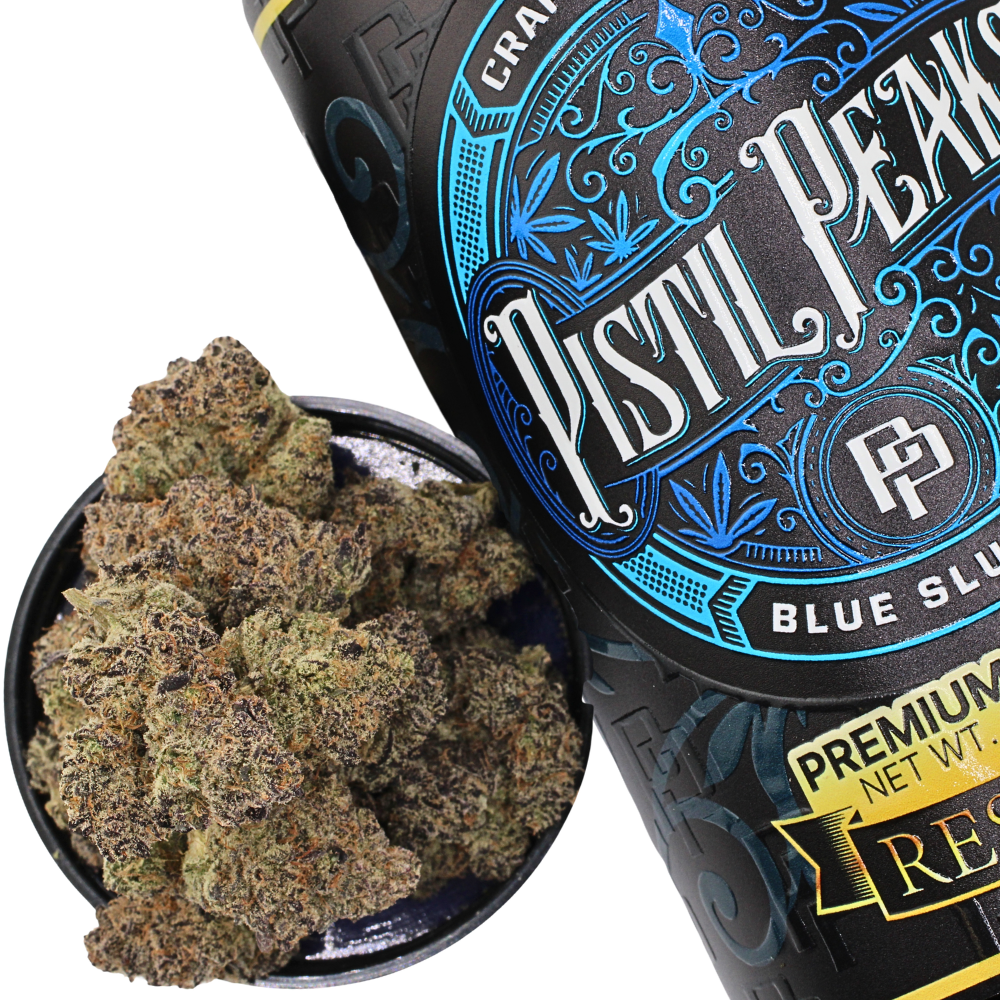
High-end cold cure rosin begins with premium input material, such as fresh frozen flower or refined bubble hash. Brands like Crysp rely on clean, terp-rich cultivars because the curing process doesn’t hide flaws, it highlights them. Only the best resin-rich strains are selected, ensuring the final product has outstanding aroma, potency, and clarity.
2. Professional Low-Temperature Pressing
Producers use commercial rosin presses to apply precise, controlled heat and pressure. This releases the resin without degrading terpenes. Temperature control is critical here:
- Lower temps maintain delicate flavor molecules
- Higher pressure ensures clean extraction without contamination
- Once pressed, the rosin is quickly collected to preserve freshness.
3. Transferring Rosin Into Airtight Curing Jars
In professional settings, rosin is placed into airtight, non-reactive glass jars. Crysp’s curing jars are often preferred by craft processors because:
- Glass preserves terpene purity
- Silicone-gasket lids prevent oxygen exposure
- Straight-sided designs make it easy to handle thicker concentrates
- After filling, jars are sealed immediately to protect aroma and prevent terpene evaporation.
4. The Cold Cure Environment
Producers store sealed jars in a cool, dark, and temperature-stable environment. Cold cure rosin typically matures best between:
40–70°F (4–21°C)
At these cooler temperatures, the rosin undergoes natural processes such as:
- Terpene separation (creating a wet, oily layer)
- THC-A nucleation (tiny crystals forming gradually)
- Texture development into a creamy badder
The stability of the environment is key, no drastic temperature swings or exposure to light.
5. The Curing Phase (1–2 Weeks on Average)
During the curing period, the rosin slowly evolves. Producers may monitor:
- Terpene distribution
- Moisture control
- Texture change
- Color development
Some craft hash makers do a short cold phase followed by room-temp resting, while others keep the cure cold the entire time. Each strain behaves differently, which is why cold curing is considered as much an art as a science.
6. Achieving the Signature Cold Cure Texture
Once cured, the rosin develops its iconic thick, creamy, badder-like consistency. This texture is one of the main reasons consumers prefer cold cure:
- Easy to dab
- Terpene-forward
- Smooth appearance
- Stable even after weeks of storage
If producers see terpene pooling or uneven distribution, they may gently homogenize the batch to create a consistent final product. This isn’t whipping for DIY, it’s a standard commercial step for quality control.
7. Final Storage and Preservation
After reaching peak consistency, the finished rosin is stored in cool, dark conditions to maintain freshness. Brands like Crysp ship and store cold cure rosin in high-quality jars to protect:
- Terpene integrity
- Color and texture
- Long-term stability
Producers typically recommend keeping cold cure rosin sealed and cool until used for best flavor.
Conclusion
Cold cure rosin has become one of the most sought-after solventless concentrates because of its creamy texture, terpene-rich aroma, and strain-specific flavor. The cold curing process used by professional hash makers isn’t about quick tricks or at-home shortcuts, it’s a deliberate, controlled method that transforms fresh-pressed rosin into a stable, high-end concentrate. Brands like Crysp highlight this craftsmanship through their own cold cure releases, which are known for their smooth badder-like consistency, strong terpene preservation, and reliable stability. From premium source material to airtight glass storage, every step is handled with precision to protect the integrity of the resin.
For consumers, understanding how cold cure rosin is crafted provides a deeper appreciation of what goes into each jar, the skill, the environmental control, the material quality, and the attention to the smallest details. With Crysp’s commitment to premium storage solutions and high standards of production, you can trust that every jar reflects the purest expression of the strain and the full potential of solventless extraction.