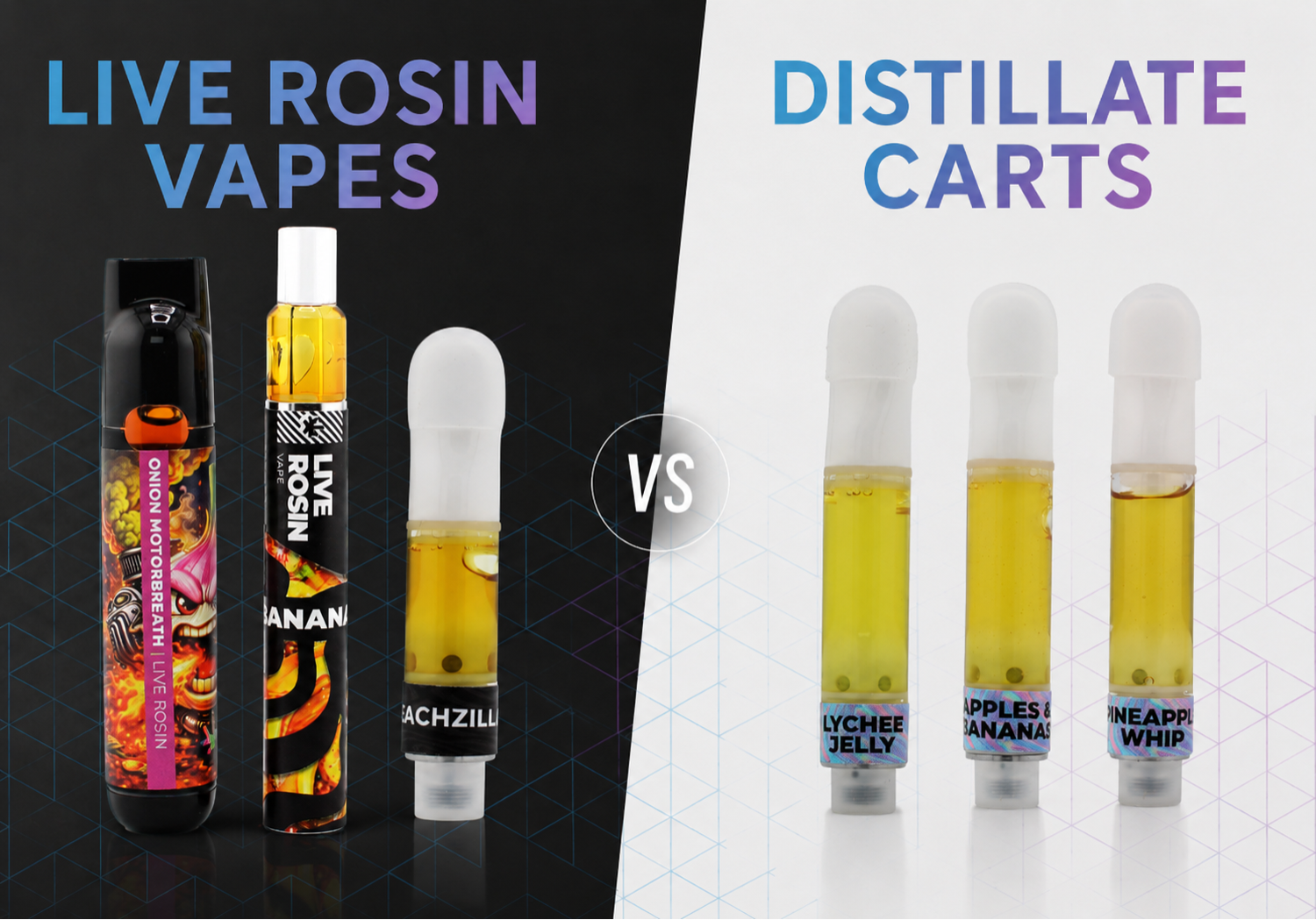
If you’re shopping for THCA carts in 2026, you’ll see two very different “lanes” on menus:
- Live rosin carts (solventless, terp-forward, usually premium)
- Distillate carts (THC-forward, often cheaper, sometimes flavored)
Both can be legit. Both can be great. But they’re not interchangeable, and if you buy the wrong one for your goals, you’ll either overpay or end up thinking, “Wait… why does this taste like candy air freshener?”
This guide is US-only and compliance-first. Buy only where legal, and always follow your state/local rules.
First: What does “THCA cart” mean?
THCA is the acidic precursor to THC. On its own (raw/unheated), THCA is generally described as non-intoxicating, but when you apply heat (like vaping), decarboxylation converts THCA into delta-9 THC, which is intoxicating.
That’s why THCA carts are treated as adult products: once you heat the oil, you’re effectively creating THC in real time.
Live rosin carts: what they are (and why people obsess over them)
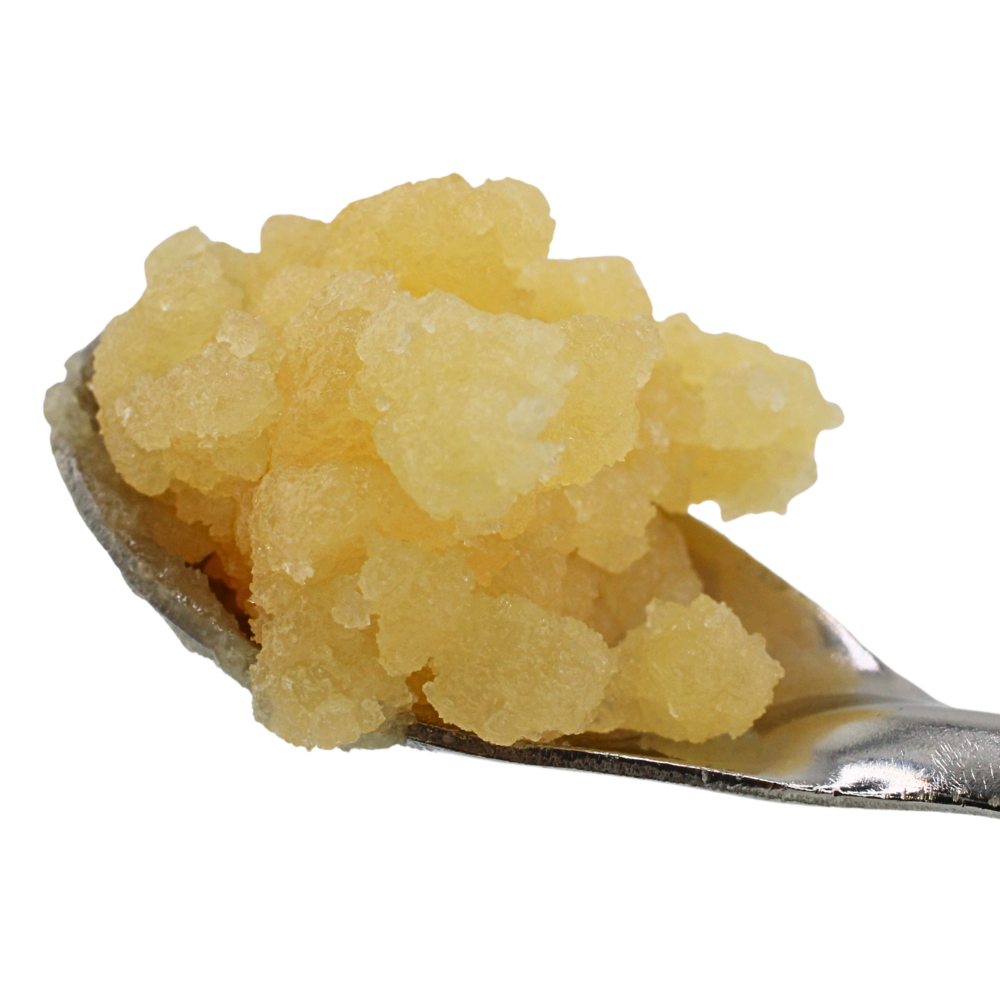
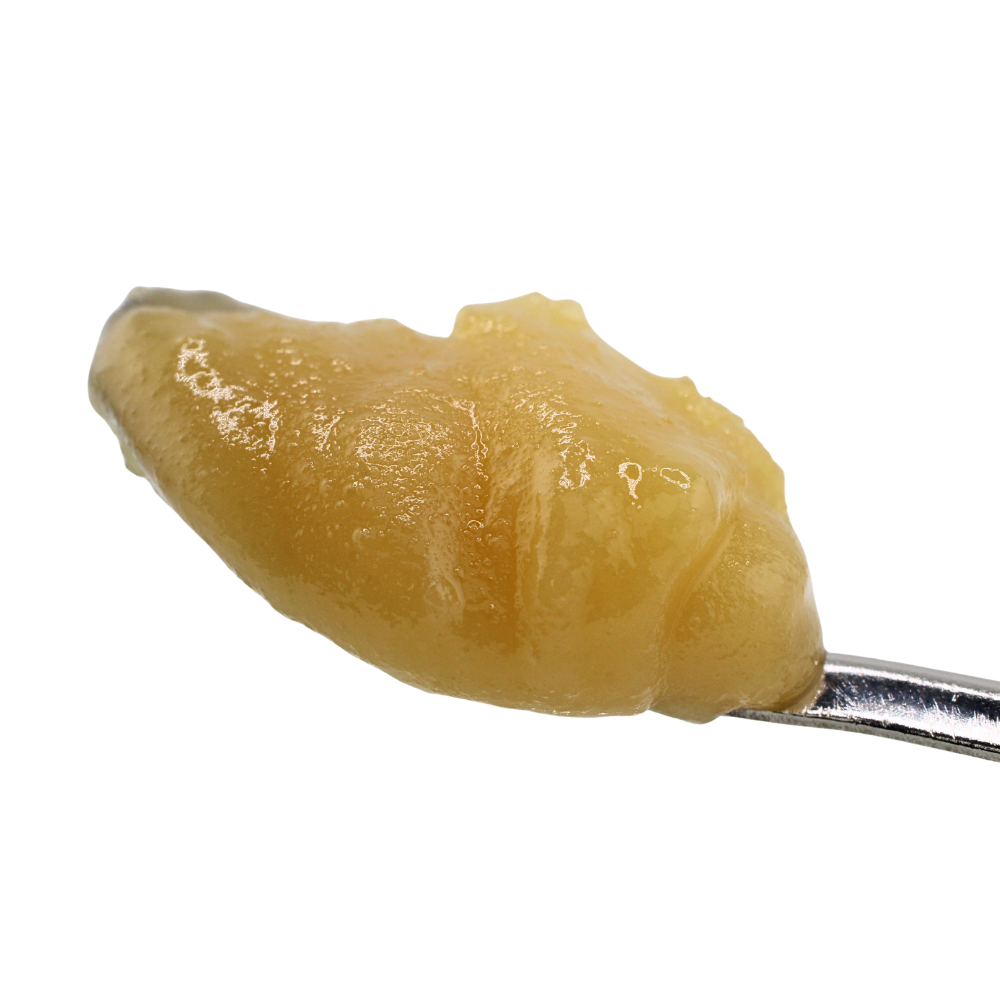
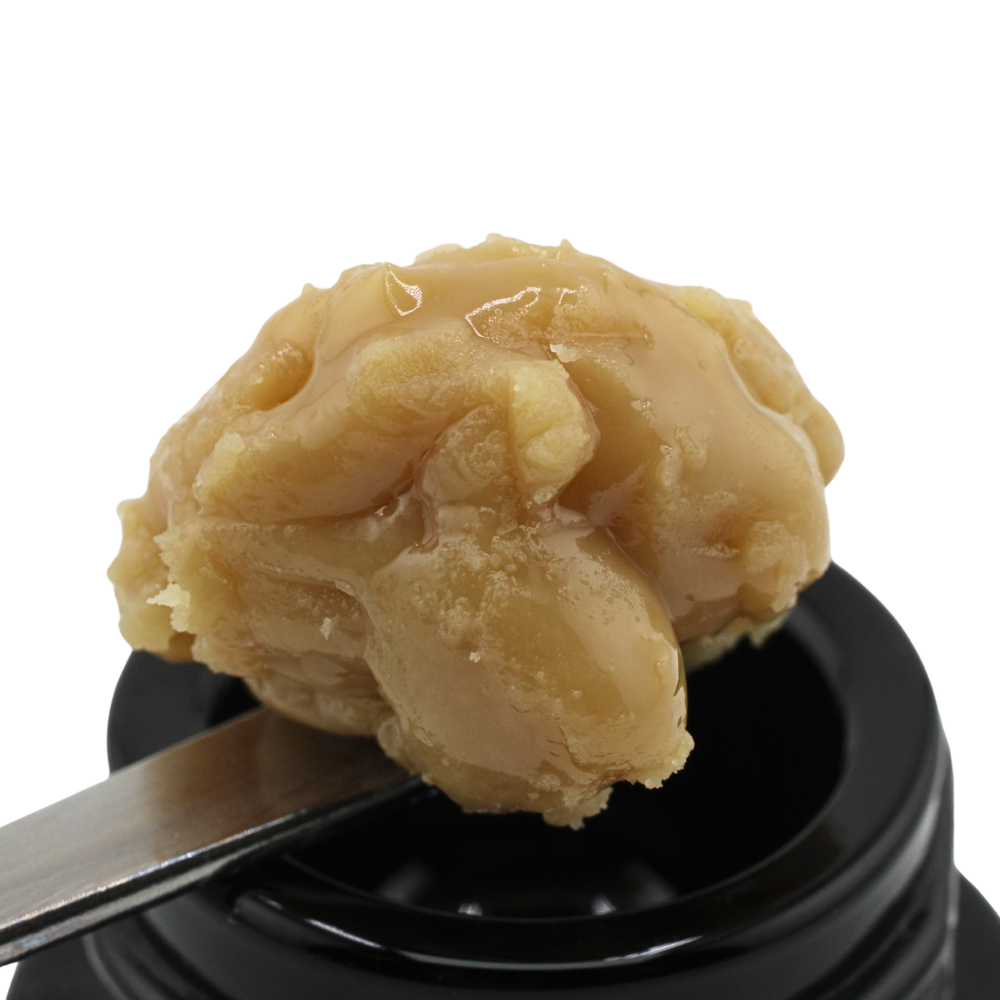
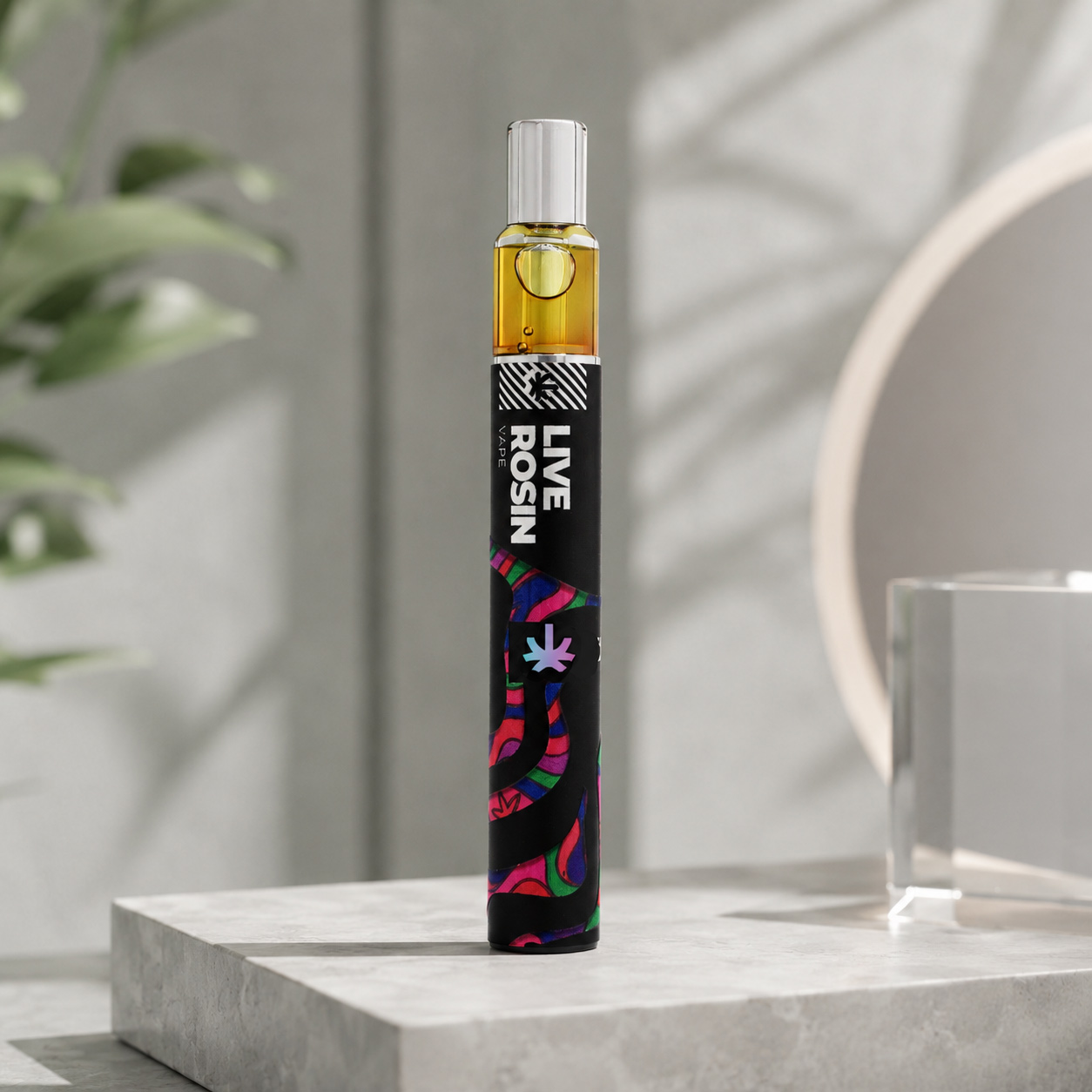
Live rosin is a solventless concentrate made from fresh-frozen flower that’s pressed mechanically (heat + pressure). The point is preserving the plant’s original terpene profile and “full-spectrum” feel. Crysp describes its live rosin vapes as made with fresh-frozen flower, with no solvents or distillate used, and notes third-party lab testing for every batch.
What live rosin carts usually feel like
- Flavor: complex, strain-accurate (fruit/gas/floral/earth notes that actually taste like the description)
- Effects: often described as more “rounded” or “layered” because the oil retains more of the plant’s natural compounds
- Vibe: closer to a “flower-like” experience in cart form
The catch: rosin is delicate
Rosin can burn easily if your battery runs hot. Crysp puts this warning directly on a live rosin cart product page: use a battery with adjustable voltage and keep it low, recommended 1.7–2.6V, because regular batteries may burn the oil.
That “low voltage” note is a real tell of a rosin-forward brand: they’d rather you enjoy the terps than torch them.
Distillate carts: what they are (and why they’re everywhere)
Distillate is a highly refined oil where manufacturers isolate cannabinoids (commonly THC/THCA, depending on the market/category) and often add terpenes back in, either cannabis-derived or botanical. Distillate carts are popular because they’re:
- Consistent
- Potent
- Scalable and usually cheaper
What distillate carts usually feel like
- Flavor: can be mild, “generic sweet,” or strongly flavored, depending on added terpenes
- Effects: more THC-forward and sometimes “one-note” compared to full-spectrum styles (though this varies)
- Vibe: reliable “hit” and convenience
Live rosin vs distillate: the 6 differences that actually matter
Extraction style: solventless vs heavily processed
Live rosin is solventless and mechanically pressed; distillate is typically produced through multi-step processing and refinement. Crysp explicitly frames rosin as “no solvents, chemicals, or distillate.”
Terpene authenticity: “strain-true” vs “flavored.”
Live rosin tends to preserve the strain’s native terp profile more naturally. Distillate can be excellent, but flavor often depends on what’s added back in.
Effect profile: “rounded” vs “THC punch.”
Many consumers prefer live rosin for a fuller experience (often described as more nuanced), while distillate wins for predictable potency. (Even some retailers sum it up as “terpenes take center stage” for rosin.)
Hardware sensitivity: Rosin needs gentler settings
Live rosin carts are more sensitive to heat. That’s why Crysp gives specific voltage guidance (1.7–2.6V) and warns against basic batteries that burn oil.
Distillate is generally more forgiving (though any cart can burn if you crank the voltage too high).
Price: Rosin usually costs more
Live rosin is typically a premium category because it’s harder to produce and yields less.
Distillate tends to be more affordable and has more frequent discounts.
Who each one is “for.”
- Choose live rosin if you care about flavor, strain authenticity, and a “boutique” experience.
- Choose distillate if you care about straightforward potency, consistent hits, and better price-per-gram.
How to shop THCA rosin carts online without guessing
Check #1: COAs and cannabinoid breakdown
Look for product listings that show cannabinoid content and (ideally) a COA. Crysp’s live rosin cart pages include cannabinoid content like THCA % and delta-9 THC % (example: THCA 67.19%, d9-THC 0.30% on one listing).
Check #2: Voltage guidance (a sneaky quality signal)
A brand that gives a low-voltage range is usually protecting terps and hardware performance. If a “live rosin” cart has zero hardware guidance, proceed carefully.
Check #3: “No distillate” language (for rosin shoppers)
If you’re buying rosin specifically, you want the seller to be explicit that it isn’t a rosin/distillate blend. Crysp makes that claim on its live rosin vapes category page.
Check #4: Your battery setup
If you only have a pen with one setting, distillate is usually the safer match. If you have an adjustable voltage (or buy one), rosin becomes much easier to enjoy properly.
Crysp even sells a variable-voltage 510 battery on its live rosin carts page, which aligns with their low-voltage recommendation.
Quick “Which one should I buy?” cheat sheet
Buy a THCA live rosin cart if you want:
- the closest cart-to-flower flavor
- strain-accurate terp profiles
- a more “full-spectrum” style experience
- And you’re willing to run low voltage
Buy a THCA distillate cart if you want:
- maximum consistency and strong THC-forward hits
- more flavor options (often “sweet” or “fruit” profiles)
- better deal pricing
- something less picky about battery settings
Safety and responsible-use notes (quick but important)
THCA converts to THC when heated, so treat vaping THCA like using THC: start low, don’t drive impaired, and store away from kids/pets.
If you’re sensitive to strong flavoring, distillate carts with added terpenes may feel harsh. Try smaller puffs and lower voltage. Reach out now to know more.