If you’ve spent any time in the world of hemp concentrates, you’ve probably heard the term “hash rosin” thrown around. But what actually makes one product worth your money and another a waste of it? The market is flooded with options, and the labeling can feel more like a riddle than a guide.
This article breaks down exactly what to look for before you buy THCA hash rosin, no fluff, no hype, just honest guidance to help you make a smart decision.
What Is THCA Hash Rosin, Exactly?
Let’s start with the basics. Hash rosin is a solventless concentrate made by applying heat and pressure to cannabis or hemp hash. The result is a rich, potent extract that retains a lot of the plant’s original terpenes and cannabinoids, including THCA, which is the non-psychoactive precursor to THC.
When THCA is exposed to heat, it converts to THC through a process called decarboxylation. This is what makes THCA hash rosin such a sought-after product for people who want a powerful, flavorful experience from a legally compliant hemp-derived product.
The “hash” in hash rosin refers to the starting material. Instead of pressing raw flower directly, manufacturers first make ice water hash (also called bubble hash), which concentrates the trichomes before the pressing stage. This extra step is what separates hash rosin from standard flower rosin, and it makes a noticeable difference in quality.
Why the Starting Material Matters More Than Anything
Here’s something most product pages won’t tell you: the quality of the final product is almost entirely determined by the quality of the starting material. Garbage in, garbage out.
The best THCA hash rosin starts with high-grade, fresh-frozen hemp flower. Fresh-frozen means the plant is harvested and immediately frozen to preserve the trichomes before they degrade. This protects the aromatic compounds that give hash rosin its complex flavor profile and contribute to the overall experience.
Look for products that specify their starting material. Terms like “6-star ice water hash,” “full-melt,” or “fresh-frozen” are good signs. If a brand can’t or won’t tell you what went into making their rosin, that’s a red flag worth taking seriously.
The micron rating of the hash also matters. Lower micron hash (typically 73–120 microns) is generally considered higher quality because it contains a denser concentration of trichome heads with less plant material mixed in.
How to Read a THCA Hash Rosin Label
Labels can be confusing, especially in the hemp space where brands use a lot of industry shorthand. Here’s what to actually pay attention to.
- THCA percentage is the headline number you’ll usually see. A well-made hash rosin from quality material can test anywhere from 60% to 85% THCA. If a product claims numbers above that without a credible lab report to back it up, be skeptical.
- Terpene content is arguably just as important as potency. Terpenes are the compounds responsible for flavor, aroma, and the subtle effects that differentiate one strain from another. A good hash rosin will have a visible and measurable terpene presence, often in the range of 3–10%. If the product is odorless or nearly tasteless, something went wrong in the production process.
- Batch-specific Certificates of Analysis (COAs) are non-negotiable. These are third-party lab reports that verify what’s actually in the product. The COA should confirm THCA content, Delta-9 THC levels (must be under 0.3% to comply with federal hemp law), and ideally include a terpene profile and a scan for residual solvents, heavy metals, and pesticides.
The Difference Between Cold Cure and Live Rosin
If you’ve started shopping around, you’ve probably seen both “cold cure” and “live rosin” in product descriptions. These terms refer to how the rosin was processed after extraction, and they do affect the texture, flavor, and experience.
Live rosin is made from fresh-frozen plant material, which preserves the most volatile terpenes. It tends to be more aromatic and flavorful than rosin made from dried and cured material. Live rosin is generally considered the premium tier.
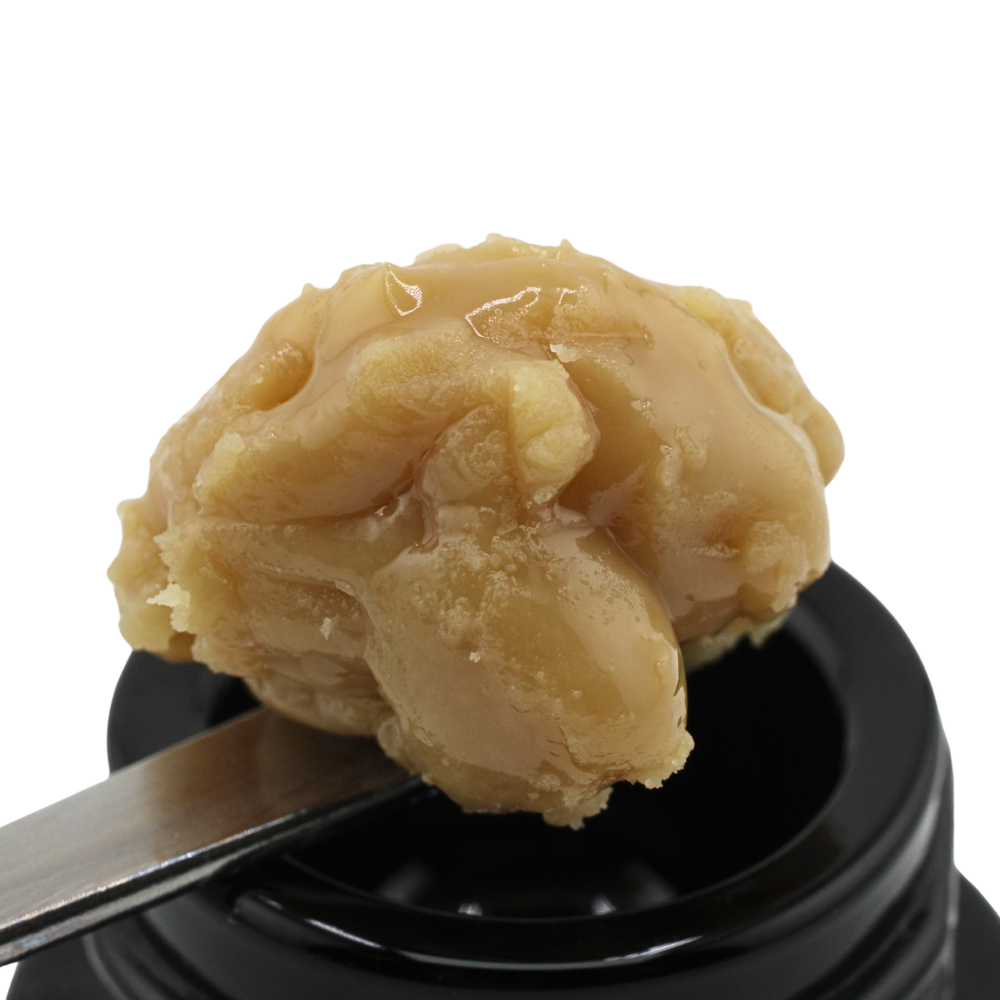
Cold-cure rosin refers to a specific finishing process where freshly pressed rosin is stored at low temperatures over time. This causes the rosin to gradually change consistency; it becomes more stable, often developing a creamy, butter-like texture. Cold curing concentrates the flavor and can make the product easier to work with.
Neither is inherently better than the other. What matters is whether the process was done correctly and with quality material. A cold-cured rosin from mediocre hash will still be mediocre.
A live rosin from exceptional fresh-frozen material will speak for itself.
Solventless vs. Solvent-Based Concentrates: Why It Matters
One of the main reasons people gravitate toward hash rosin over other concentrates is the solventless production method. No butane, no ethanol, no propane, just heat and pressure.
For consumers who are particular about what they inhale, this distinction is significant.
Solvent-based concentrates like BHO (butane hash oil) or distillates require a purging process to remove residual solvents after extraction. When done properly, the final product can be very clean. But “done properly” is doing a lot of work in that sentence, and not every manufacturer has the equipment or the discipline to do it right.
Solventless rosin eliminates that concern entirely. The process is mechanically straightforward, which is part of why knowledgeable consumers are willing to pay a premium for it. There’s no guesswork about what might be lingering in the final product.
Consistency and Appearance: What Good Rosin Actually Looks Like
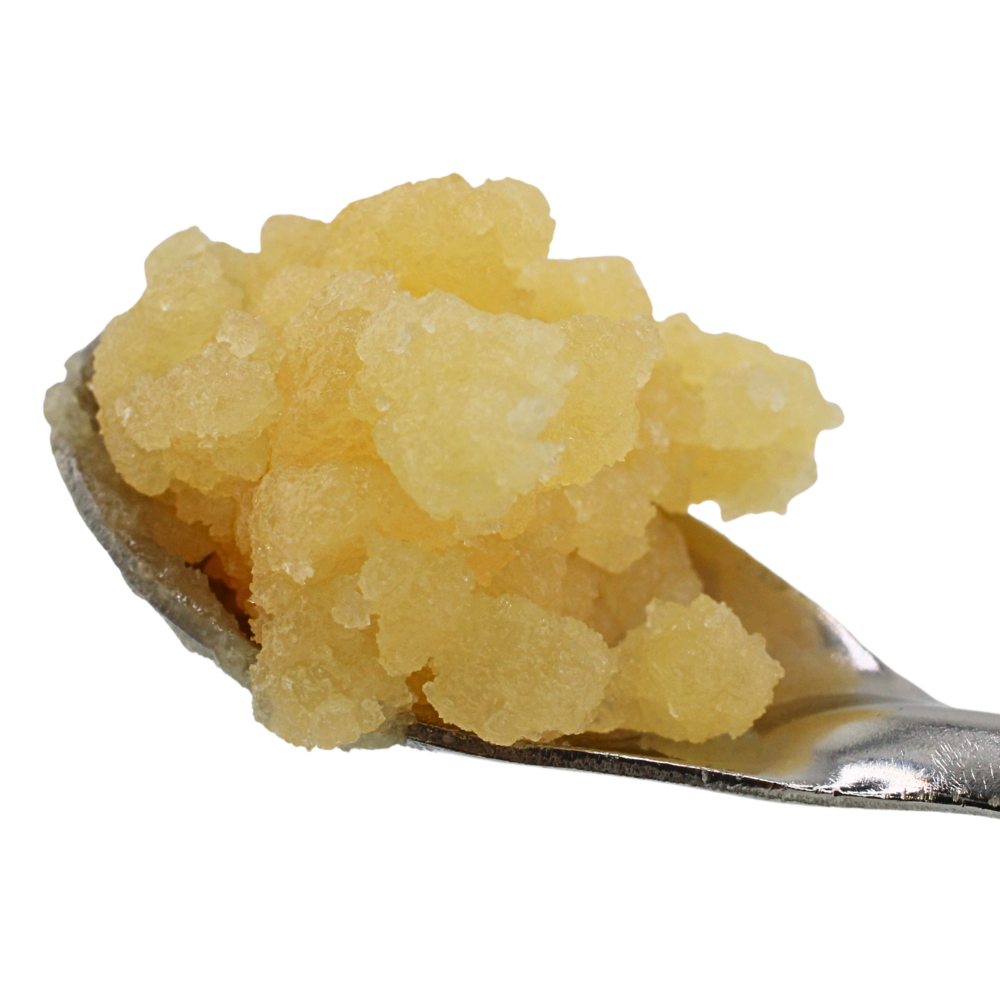
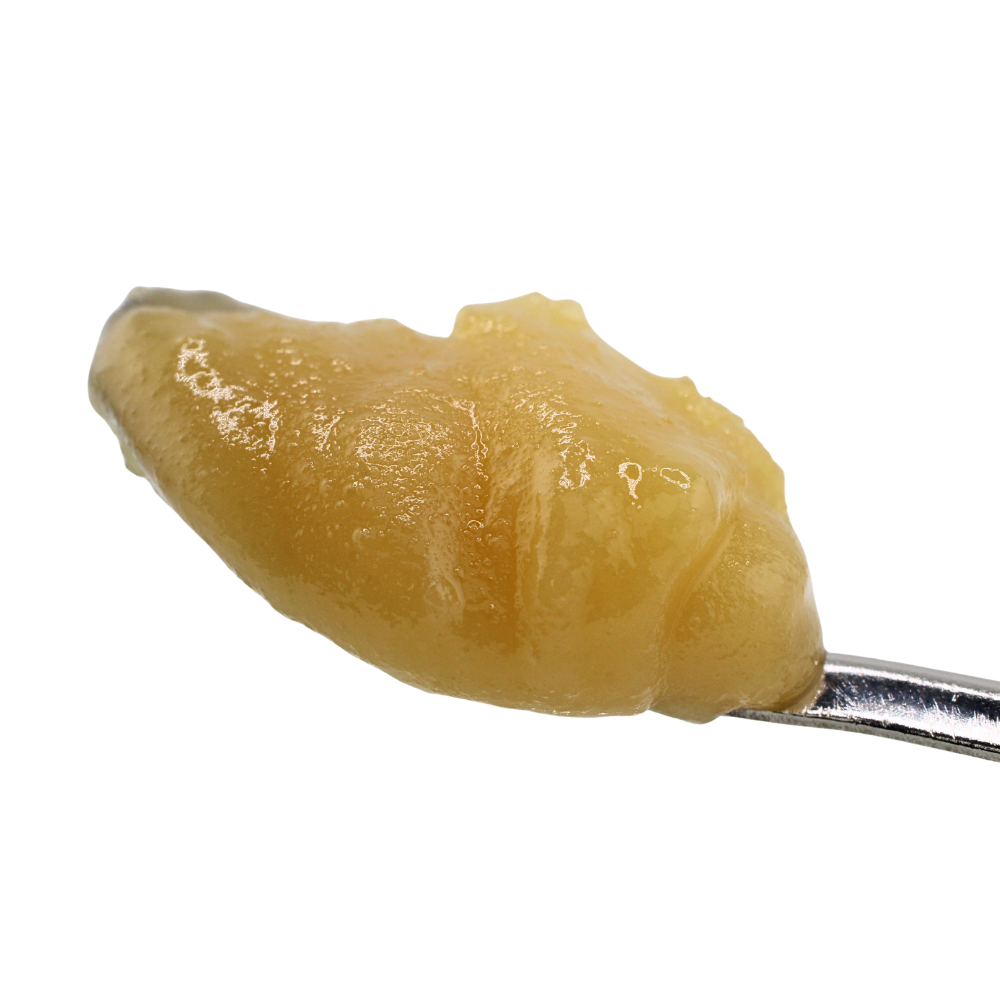
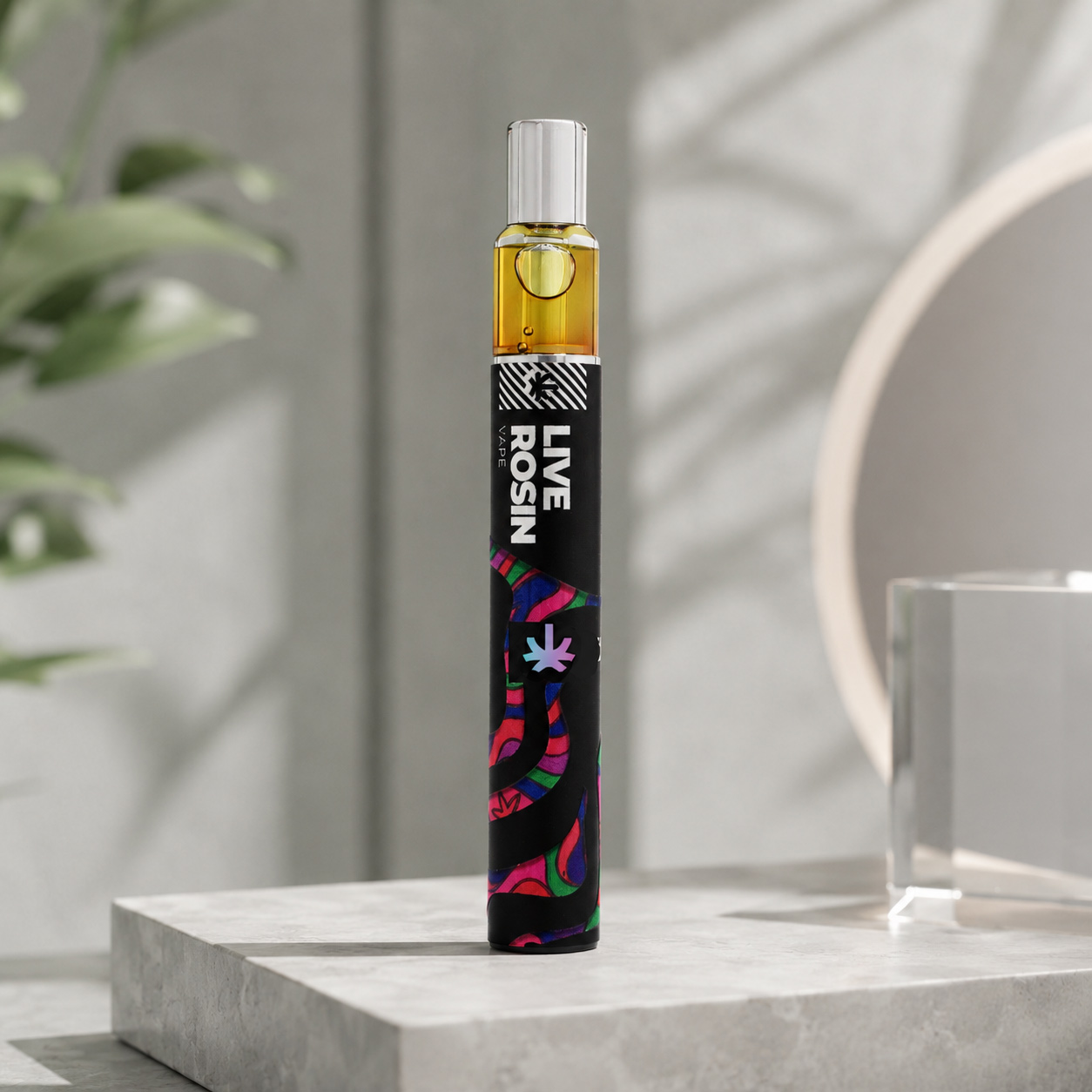
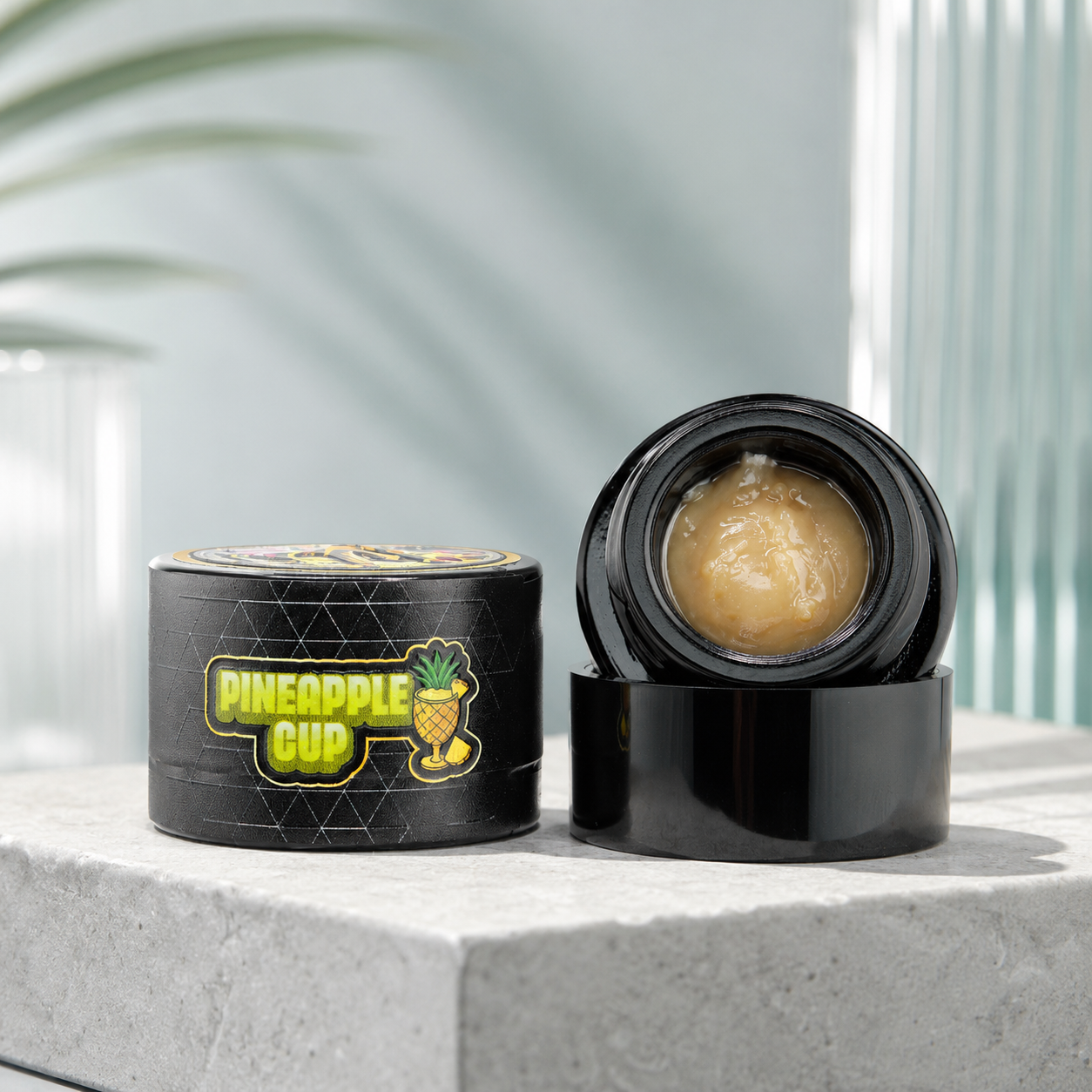
You can learn a lot about a hash rosin just from looking at it. Good rosin has a natural, amber-to-golden color, sometimes leaning toward a light yellow, sometimes deeper, depending on the strain and curing process. It should appear clean and luminous, not dark, muddy, or contaminated with visible plant matter.
Texture varies based on finishing technique. You might encounter rosin that looks like honey, others that have a more jam-like or saucy consistency, and cold-cured batches that resemble a soft, creamy butter. All of these textures are normal and acceptable. What you want to avoid is rosin that looks greasy, overly dark, or has an off-putting smell; these are signs of oxidation, poor-quality starting material, or improper storage.
Storage is another thing to keep in mind. Hash rosin should be kept in an airtight container, away from heat and light. If you’re buying online, check whether the brand packages its concentrates appropriately. Improper packaging during shipping can degrade the product before it even reaches you.
Questions to Ask Before You Buy
You don’t have to be an expert to ask the right questions. Here are a few worth running through before clicking “add to cart”:
- Is there a batch-specific COA available? If the lab report isn’t batch-specific, it may not reflect what’s actually in the product you’re buying.
- What was the starting material? Fresh-frozen is ideal. Dry-sift hash can also produce excellent rosin, but clarity on this point shows the brand knows its process.
- What’s the terpene percentage? Any reputable producer should be able to tell you this or include it in the COA.
- How was it packaged and stored? Rosin degrades with heat, light, and air. Proper packaging matters, especially for online orders.
If a brand can answer these questions clearly and confidently, even better if the answers are already on their product page, that’s a strong signal you’re dealing with someone who takes their craft seriously.
What to Expect When Buying THCA Hash Rosin Online
Buying concentrates online requires a little more due diligence than picking something up in person, but it’s entirely doable if you know what to look for. The most important thing is to buy from brands that are transparent about their sourcing, testing, and production methods.
Crysp is built around exactly this kind of transparency. Rather than stocking shelves with whatever is available, the team at Crysp works directly with artisan growers and extractors who share the same commitment to quality. If it doesn’t meet their standards, it doesn’t make the cut.
Their THCA concentrate products include thoughtfully sourced options for consumers who want to know what they’re getting, not just a number on a label. Every product is shipped discreetly and comes with the documentation you need to shop with confidence. Orders over $150 ship free with priority delivery.
For more practical guidance on navigating the market, the Crysp guide on buying premium hash rosin online is worth reading before you commit to a purchase.
Frequently Asked Questions
Is THCA hash rosin legal?
Yes, THCA hash rosin derived from hemp is federally legal under the 2018 Farm Bill as long as the Delta-9 THC content remains below 0.3% by dry weight. Crysp products are fully compliant with this regulation. However, state laws vary, and some states have restrictions on THCA products. Always check your local laws before purchasing.
How is THCA hash rosin different from regular wax or shatter?
Wax and shatter are typically made using chemical solvents like butane. Hash rosin is solventless, made only with heat and pressure. This generally makes it a cleaner product with a more preserved terpene profile.
What’s the best way to consume hash rosin?
Most people use a dab rig or a purpose-built rosin vaporizer. Low-temperature dabs (between 450–550 degrees Fahrenheit) tend to preserve more flavor while still producing strong effects.
High-temperature dabs are more intense but can burn off some of the terpenes.
Can I tell if a hash rosin is good quality just from the color?
Color is a helpful indicator, but not the only one. Light amber to golden tones generally suggest cleaner, higher-quality rosin. Very dark or greenish rosin may indicate excess plant material or oxidation. Always pair your visual assessment with a review of the COA.
Does hash rosin expire?
It doesn’t expire in the way food does, but it does degrade over time, especially when exposed to heat, light, or air. Properly sealed and stored in a cool, dark place, hash rosin can maintain quality for several months.
The Bottom Line
Shopping for THCA hash rosin doesn’t have to feel overwhelming. Once you understand what separates a well-made product from a mediocre one, starting material quality, proper processing, transparent lab testing, and thoughtful packaging, the choices become a lot clearer.
The brands worth trusting are the ones that can tell you exactly what’s in their product and why it was made the way it was. That level of transparency isn’t just good marketing; it’s a sign that the people behind the product genuinely care about what they’re making.
If you’re ready to explore options from producers who take this craft seriously, Crysp is a solid place to start. Take your time, read the COAs, and don’t settle for anything that can’t back up its claims.