If you’ve spent any time browsing cannabis concentrates, you’ve probably noticed that “rosin” shows up in a lot of product names, sometimes with the word “hash” in front of it and sometimes with “live.” The names sound similar, and both products are solventless, but they are not the same thing. The differences matter, especially if you care about flavor, potency, and what you’re actually putting in your body.
This guide breaks down both extracts clearly, so you can make a smarter decision the next time you’re shopping for concentrates or rosin-based vapes.
What Is Rosin, and Why Does It Matter?
Before getting into the specifics, it helps to understand what makes rosin stand out from other cannabis extracts in the first place.
Rosin is a solventless concentrate. That means no butane, no ethanol, no CO2, just heat and pressure applied to cannabis material to squeeze out the resinous oils. What comes out is a full-spectrum extract that retains the cannabinoids, terpenes, and other beneficial compounds from the plant.
Because there’s no chemical solvent involved, rosin has a reputation for being one of the cleanest concentrates available. It’s also one of the most expressive; the flavor profile you get in the final product is a much more honest reflection of the original plant than you’d get from most solvent-based extractions.
That said, not all rosin is made the same way. The starting material you use makes an enormous difference in the end result.
What Is Hash Rosin?
Hash rosin starts with, you guessed it, hash. More specifically, it’s typically made from ice water hash, also called bubble hash. To make bubble hash, cultivators take cannabis flower or trim and agitate it in ice-cold water. The trichomes break off and sink to the bottom, where they’re collected through a series of mesh filter bags with different micron sizes.
The result is a concentrated collection of trichomes, essentially the most potent and flavorful parts of the plant, separated from the rest of the material.
That hash is then dried and pressed using low heat and pressure to produce hash rosin.
Because you’re starting with already-purified trichomes rather than raw flower, the final extract is extremely clean, potent, and rich in flavor.
Hash rosin is widely considered the gold standard of solventless concentrates. It’s what most serious extract artists are chasing when they talk about top-shelf rosin.
What Is Live Rosin?
Live rosin takes a different approach, and it starts with the word “live.”
In cannabis extraction, “live” refers to the starting material that was fresh-frozen immediately after harvest, rather than dried and cured. When you freeze fresh cannabis right after it’s cut, you lock in a much more complete terpene profile than you’d get from material that has gone through the drying and curing process, which inevitably causes some terpene loss.
Live rosin is made by taking that fresh-frozen cannabis, making ice water hash from it (same basic process as before), and then pressing it into rosin. So in a sense, live rosin is a type of hash rosin; it just starts with fresh-frozen material instead of dried and cured flower.
The difference in flavor can be dramatic. Live rosin tends to have a brighter, more vibrant terpene profile, with more aroma, greater complexity, and a profile closer to what the living plant actually smelled like.
Hash Rosin vs Live Rosin: A Direct Comparison
Now that you understand what each one is, here’s where things get practical.
Starting Material
Hash rosin can be made from dried and cured flower, trim, or hash. Live rosin is always made from fresh-frozen material. This single difference is responsible for most of the variation in flavor and aroma between the two.
Terpene Profile
Live rosin generally wins on terpene richness. Because the fresh-frozen material preserves volatile terpenes that would otherwise evaporate during the drying and curing process, the resulting extract has a more complete and vibrant aromatic profile.
Hash rosin made from high-quality dried and cured flower can still be extraordinarily flavorful, especially when the source material was grown and handled well. But it may lack some of the brightness you’d get from live rosin.
Potency
Both hash rosin and live rosin can be extremely potent. The cannabinoid content depends more on the quality of the starting material and the skill of the extractor than on whether the material was fresh-frozen or cured. In general, you’re looking at concentrates that are significantly stronger than flower, and the difference in THC or cannabinoid percentages between the two styles is usually minor.
Texture and Consistency
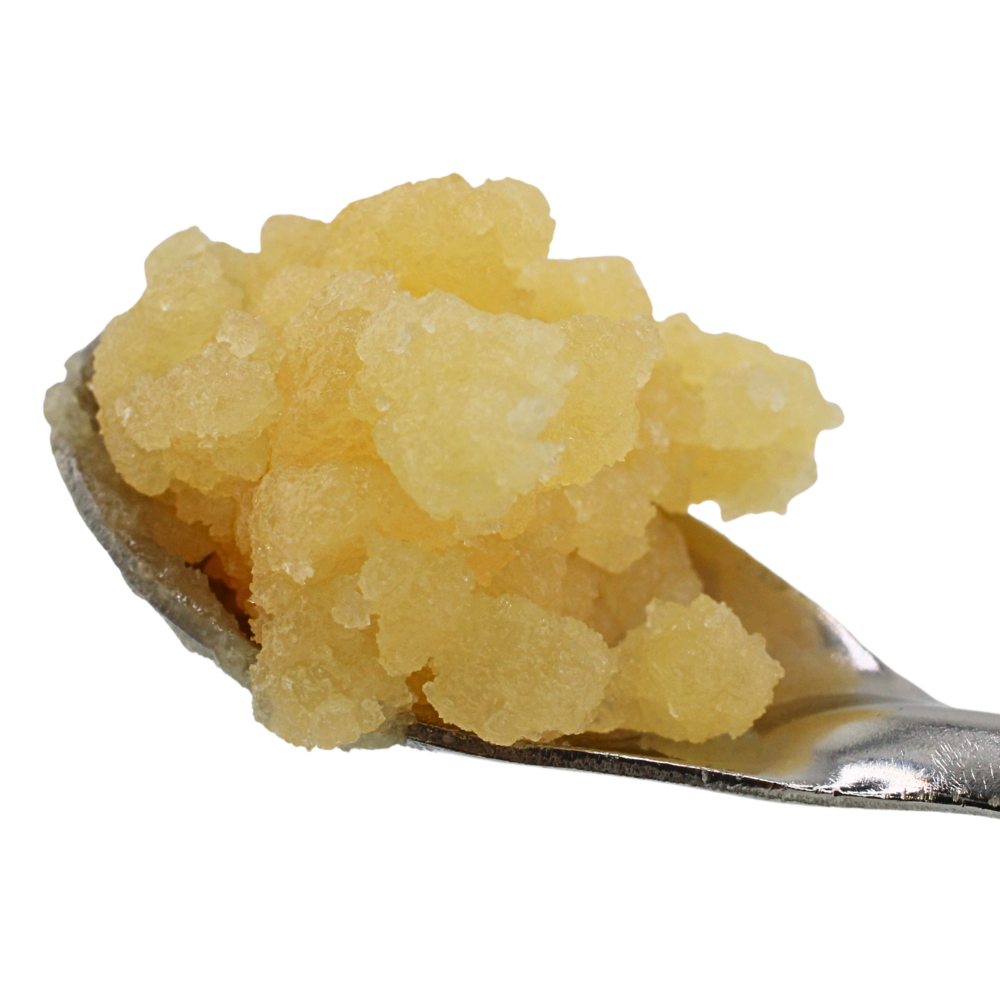
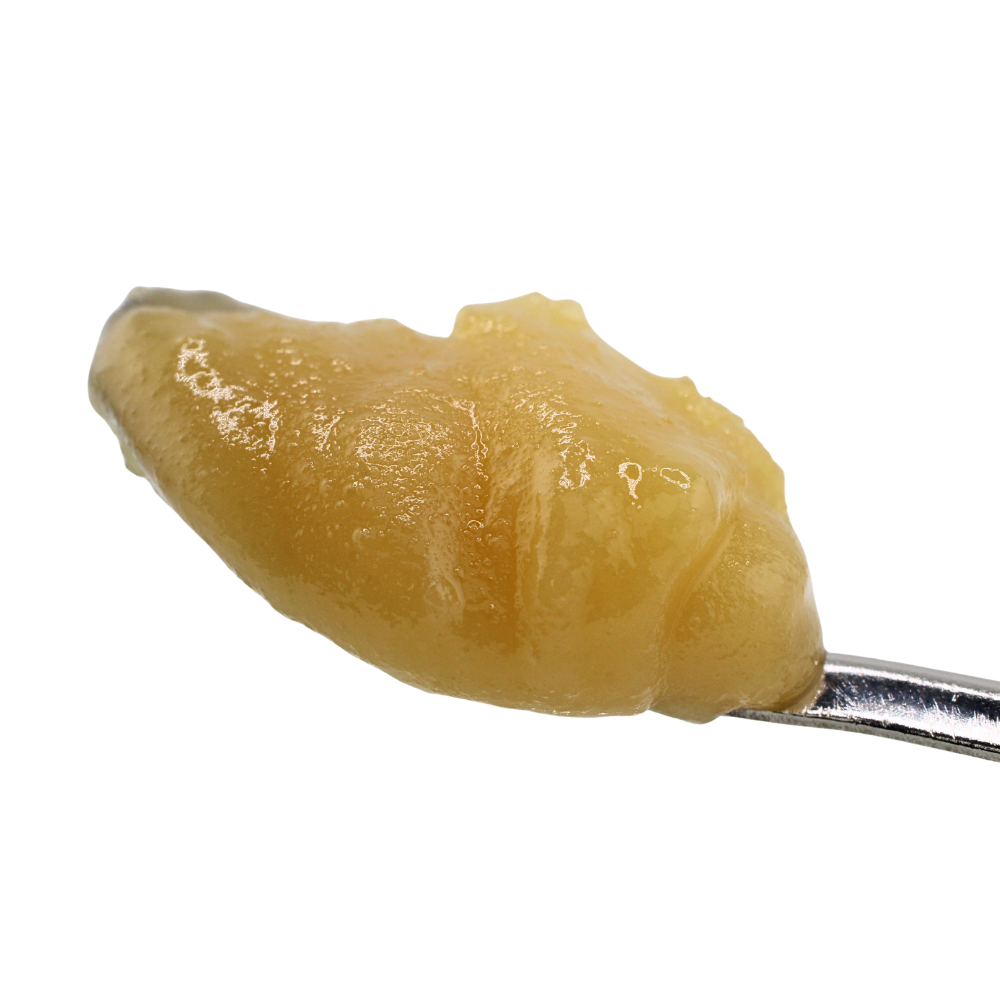
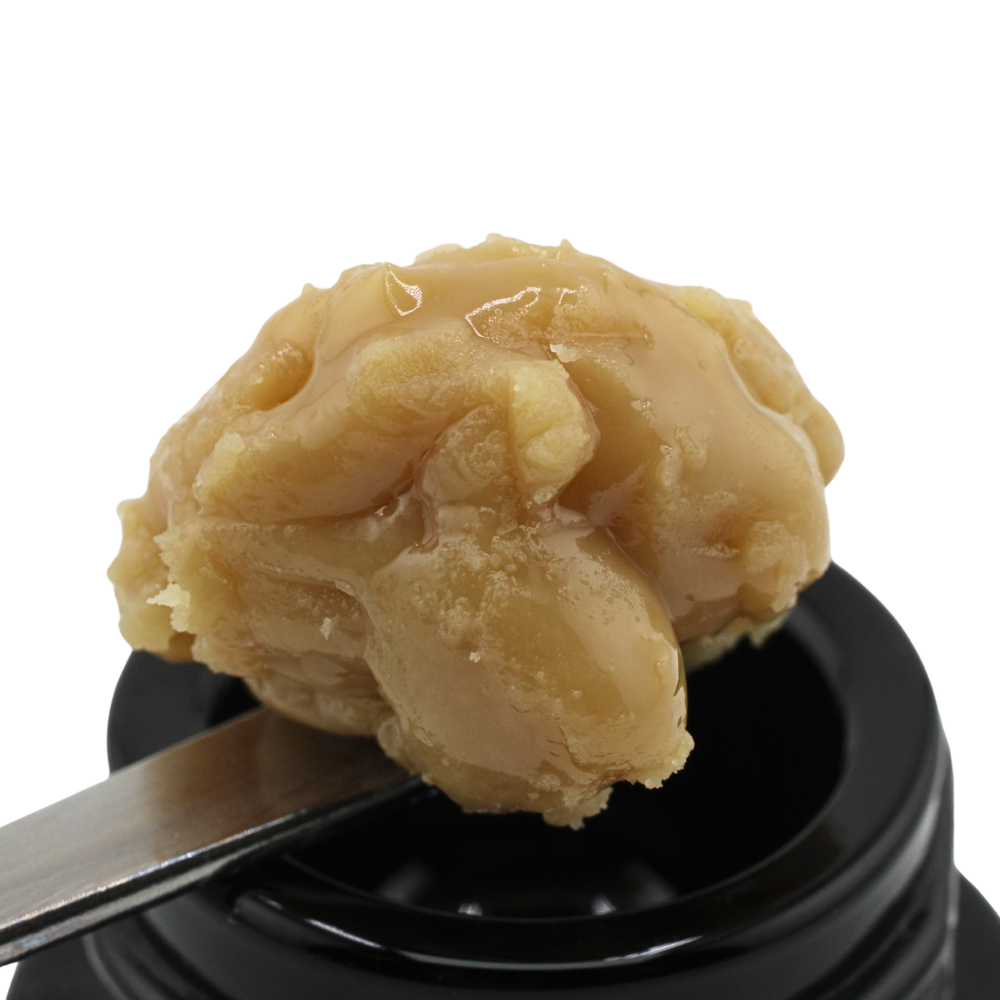
Both can vary quite a bit depending on the strain, extraction conditions, and post-processing techniques. You’ll commonly see hash rosin and live rosin in textures ranging from a wet, sappy consistency to a more stable, buttery “badder” or even a dry, crumbly “sand.” Many premium producers also cold cure their rosin to develop a smooth, creamy texture that’s easy to work with.
Price
Live rosin typically costs more. Fresh-frozen material is more expensive and more labor-intensive to process than dried and cured flower or hash. The additional care required at every stage, from harvest to pressing, drives up the price. If you’re seeing live rosin at a significantly lower price point than hash rosin, it’s worth asking questions about the source material and process.
Which One Is “Better”?
This is the question everyone wants answered, and the honest answer is: it depends on what you value.
If you want the most expressive, true-to-plant flavor experience, live rosin is usually the choice.
If you want an exceptional concentrate at a slightly more accessible price point, high-quality hash rosin is hard to beat. Both are excellent when sourced from skilled producers using quality cannabis.
Why the Starting Material Is Everything
One thing that gets lost in these comparisons is how much the quality of the source plant matters. You can have the best extraction equipment in the world, but if the cannabis wasn’t grown with care, you’re going to get a mediocre product.
This is why serious rosin producers are obsessive about sourcing. The genetics, the growing conditions, the harvest timing, and the handling after harvest all of it feeds directly into what ends up in the final extract. Terpenes are highly sensitive to heat and handling, which is exactly why fresh-freezing matters so much for live rosin and why cold-cure processing has become so popular as a way to protect those compounds post-extraction.
The best concentrates, whether hash rosin or live rosin, are the result of thoughtful cultivation and extraction working together.
How These Concentrates Are Used
Both hash rosin and live rosin are versatile. They can be dabbed using a traditional dab rig, used in an e-rig or electronic dab device, or loaded into compatible vape hardware. Many people also use them to enhance flower by adding a small amount to a joint or bowl.
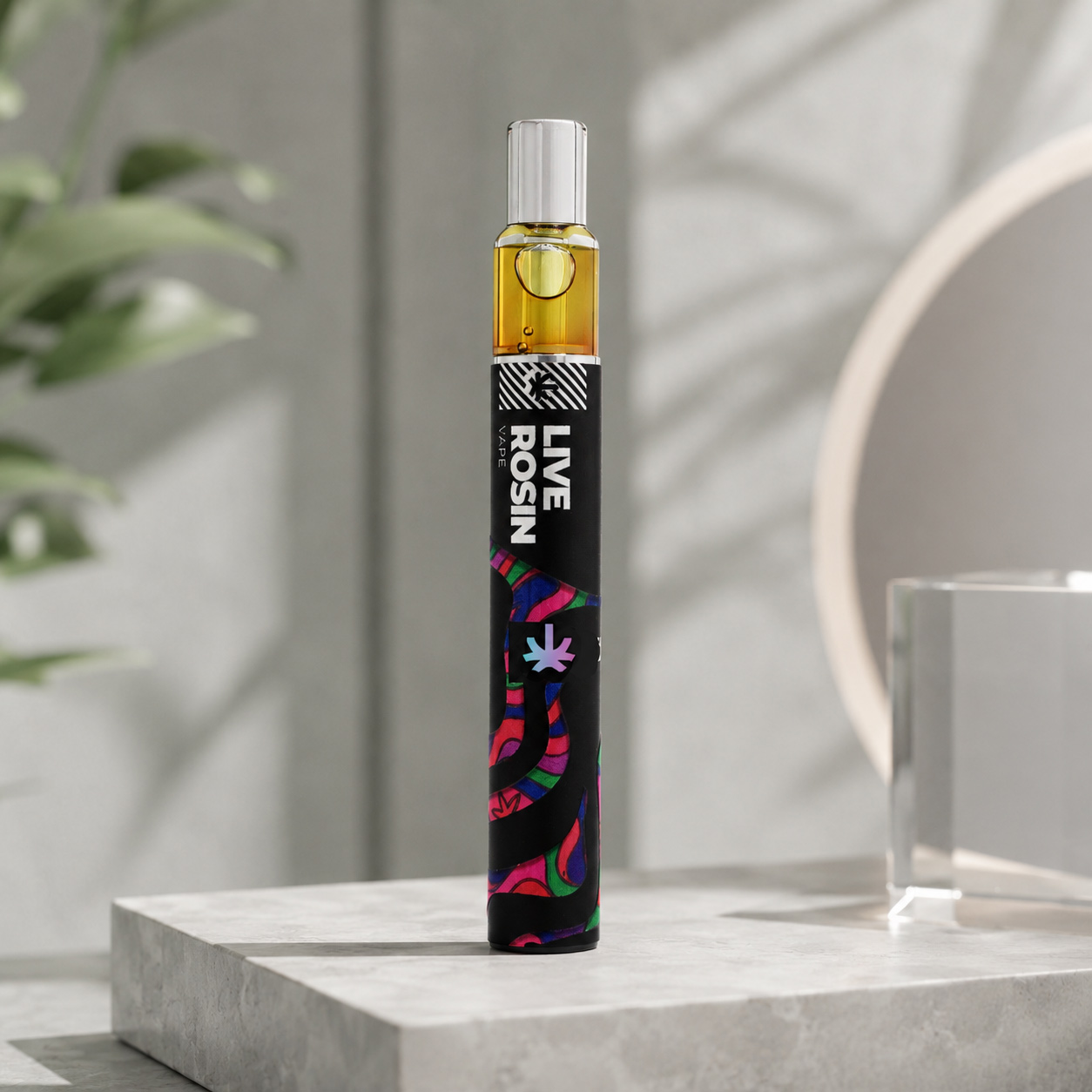
Live rosin vapes have become especially popular because they allow you to experience the flavor and effects of live rosin without any of the setup required for dabbing. At Crysp, you can explore a curated selection of live rosin vapes that are made with solventless, fresh-frozen material and designed to deliver a genuine rosin experience in a convenient format.
Rosin vs Resin: Don’t Get These Confused
Since we’re clearing things up, it’s worth drawing one more distinction that trips a lot of people up: rosin and resin are not the same thing.
- Rosin is solventless. It’s made with heat and pressure.
- Resin (including live resin) is made using solvents, most commonly butane or a hydrocarbon blend. The solvent strips the cannabinoids and terpenes from the plant material, and the solvent is then purged from the final product.
Both live resin and live rosin start with fresh-frozen material, which is why they’re often confused. But the extraction method is completely different, and that affects both the purity of the final product and the experience it delivers. If you want solventless, you want rosin.
What to Look for When Buying Rosin
If you’re shopping for hash rosin or live rosin, whether as a dab or in a vape cartridge, a few things are worth paying attention to.
Look for transparency about the starting material and process. Good producers will tell you whether the material was fresh-frozen, what cultivar was used, and how the hash was made. If a product is vague about its origins, that’s worth noting.
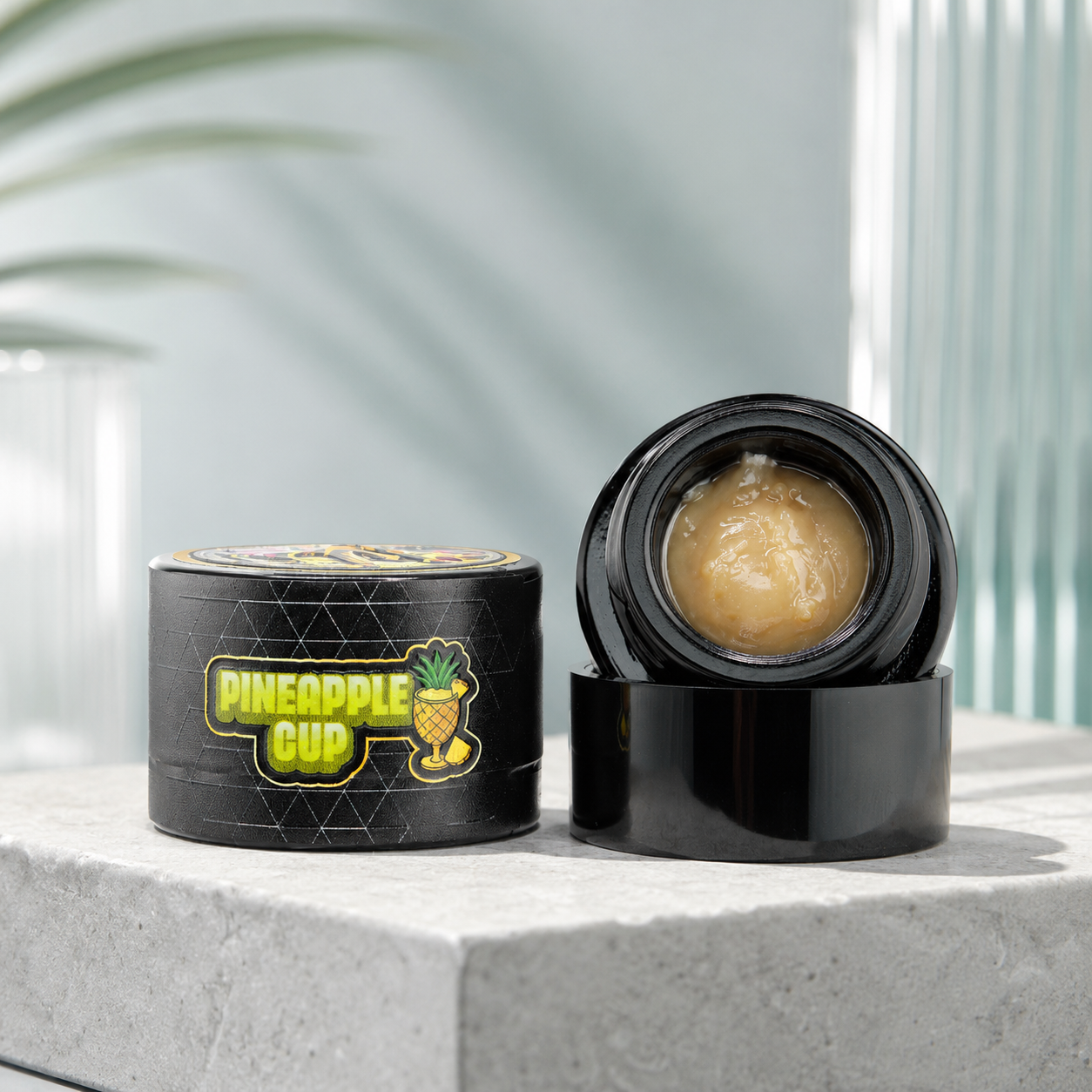
Texture and color are also useful signals. Premium rosin tends to range from a creamy off-white to a golden amber, depending on the strain and process. Anything that looks unusually dark or has a harsh smell may be a sign of lower-quality starting material or improper post-processing.
If you’re specifically looking to buy premium hash rosin online, it’s worth taking the time to read product descriptions carefully and look for producers who are upfront about their sourcing and methods.
The Crysp Approach to Concentrates
At Crysp, solventless and high-quality concentrates aren’t an afterthought; they’re a core part of what we do. Every product we carry goes through a personal evaluation process. If it doesn’t meet the standard we’d hold for ourselves, it doesn’t make it onto the site.
That philosophy applies directly to our rosin offerings. Whether you’re looking for a cold cure concentrate, a live rosin cart, or just trying to understand what sets these products apart, we’re here to help you navigate it without the noise.
Conclusion
The difference between hash rosin and live rosin comes down to one key variable: the starting material. Hash rosin is made from dried and cured cannabis or already-processed hash. Live rosin starts with fresh-frozen plant material, which preserves a more complete terpene profile and generally delivers a brighter, more vibrant flavor experience.
Neither one is objectively “better”; both can be exceptional when produced with skill and quality source material. What matters is understanding what you’re buying, where it came from, and whether the producer behind it takes that process seriously.
If you’re ready to explore what quality rosin actually tastes like, start with something made by people who care about every step of the process. That’s exactly what Crysp was built around, and it shows up in every product we stand behind.