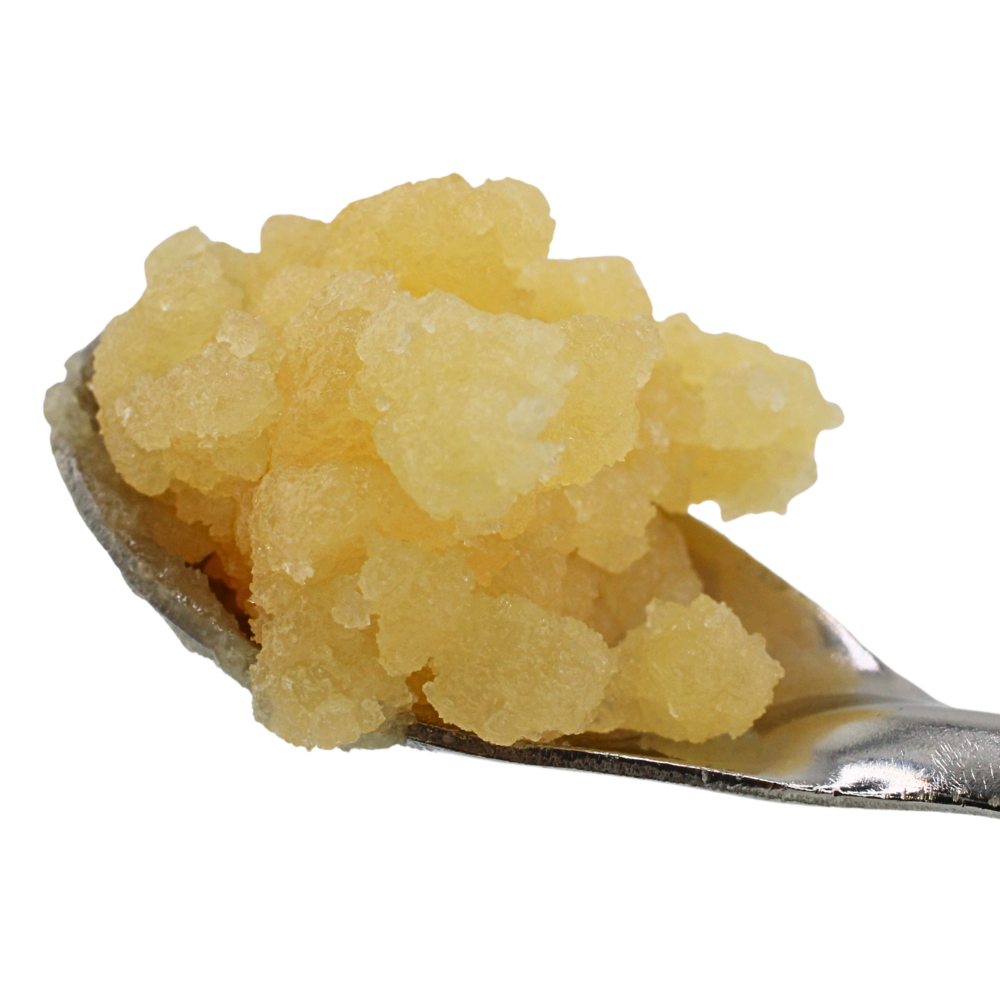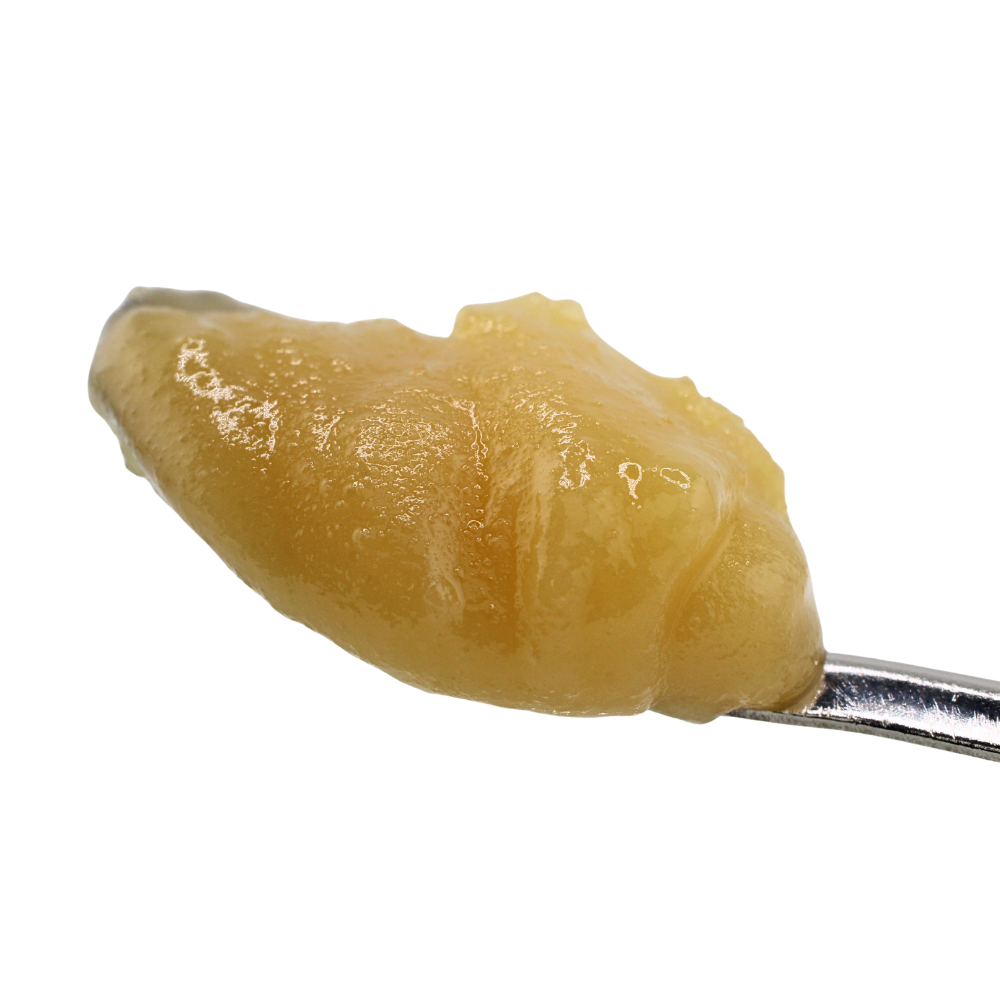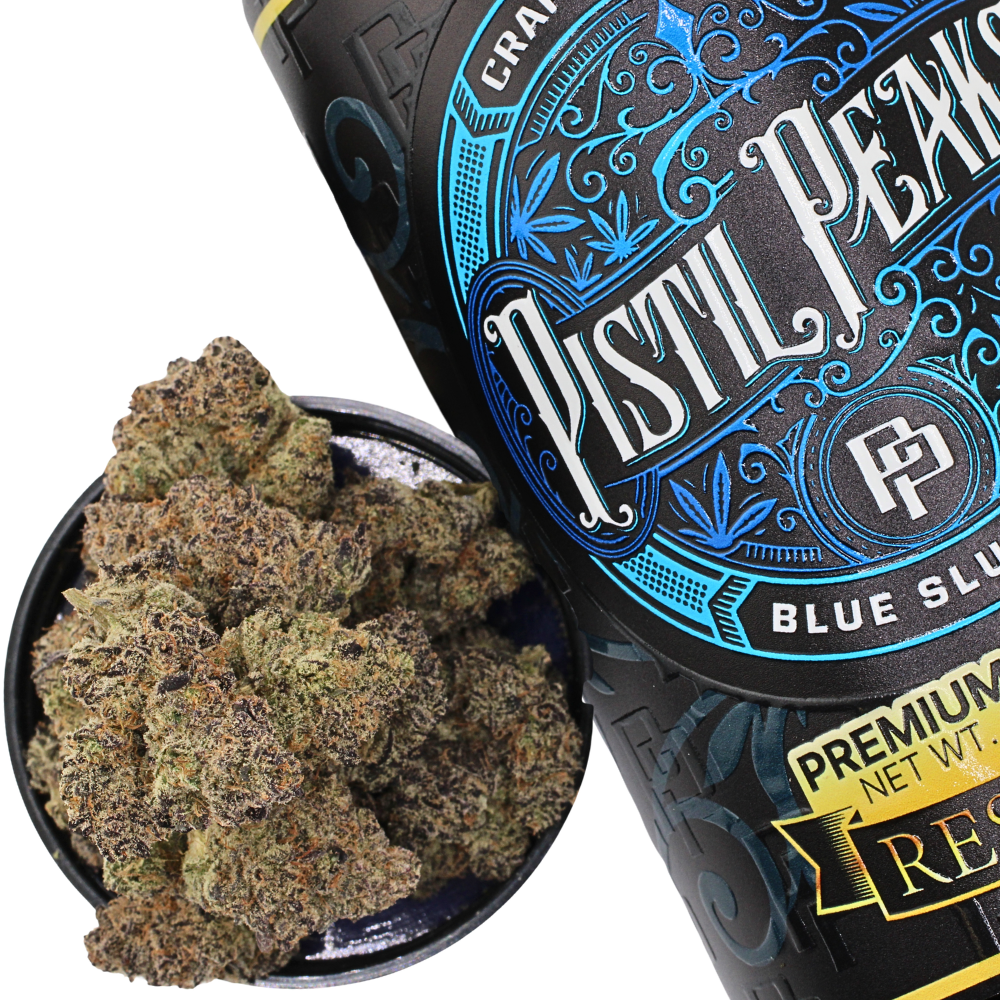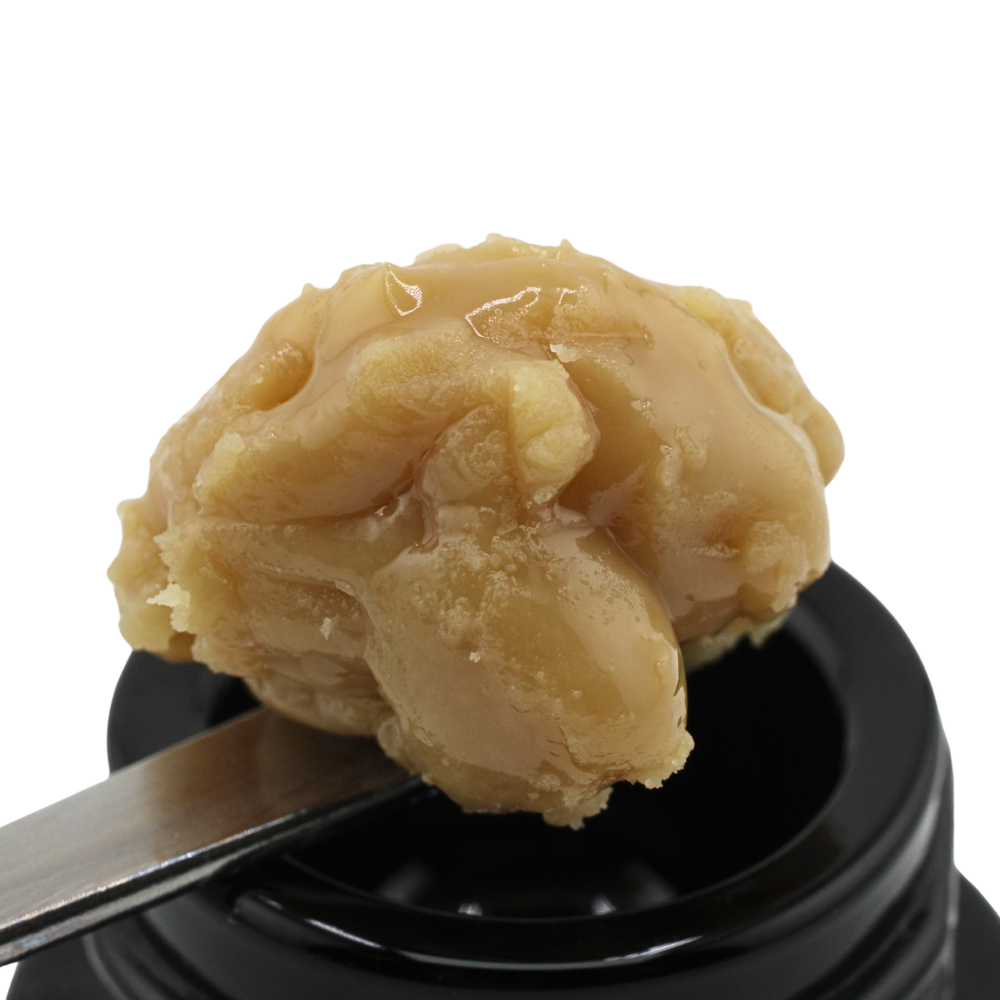
If you’ve spent good money on a premium THCA concentrate, the last thing you want is to open it a few weeks later and find a degraded, flavorless mess. Proper storage is one of those things that most people overlook until it’s too late, and once potency is gone, you can’t get it back.
The good news is that storing concentrates correctly is not complicated. It just requires understanding what actually damages them and making a few smart decisions upfront. Whether you’re sitting on a small batch of live resin or a larger supply of cold cure or wax, the same core principles apply.
Why Proper Storage Matters More Than You Think
THCA concentrates are chemically complex. They contain cannabinoids, terpenes, and other compounds that are surprisingly sensitive to their environment. When exposed to the wrong conditions, those compounds break down quickly.
The most common culprits are heat, light, air, and moisture. Each one attacks your concentrate in a different way. Heat causes cannabinoids to degrade and terpenes to evaporate. Light accelerates oxidation. Air introduces oxygen, which chemically alters the potency and flavor profile. Moisture can introduce mold or cause changes in texture that ruin the consistency you paid for.
Understanding these enemies is the first step toward protecting your investment.
The Four Enemies of THCA Concentrate Quality
Heat: The Fastest Way to Lose Potency
THCA is a precursor to THC. When it gets too warm, it begins converting – a process called decarboxylation – which sounds useful but is actually a problem when it happens uncontrolled in your storage container. You lose the THCA content you paid for without ever actually using the product.
Keep your concentrates away from warm surfaces, electronics, sunny windowsills, or anywhere near a stove or heat vent. Room temperature can be fine for short-term storage, but if you’re holding onto a product for more than a couple of weeks, cooler is almost always better.
Light: Slow but Relentless Damage
UV light is particularly destructive to cannabinoids. It triggers oxidation at the molecular level and can cause a noticeable decline in both potency and color over time. A concentrate that starts out golden or amber can gradually turn darker as it oxidizes, and that visual change usually comes with a loss in quality.
Storing concentrates in opaque or UV-resistant containers, or simply keeping them in a dark drawer or cabinet, goes a long way toward preserving what’s inside.
Air and Oxygen: The Invisible Problem
Every time you open a container, oxygen enters. Over time, that exposure causes oxidative degradation – essentially, the compounds in your concentrate react with oxygen and become less effective. The flavor suffers first, then the potency follows.
This is why airtight containers matter so much. Silicone jars, glass containers with tight-fitting lids, and parchment-lined options all have their pros and cons, but the common thread is minimizing how much air gets in during storage.
Moisture: The Often-Forgotten Factor
Humidity is less of a concern with concentrates than it is with flower, but it’s still worth taking seriously. Excess moisture can alter the texture of certain concentrate types and, in rare cases, introduce conditions where mold or bacterial growth could occur.
Keep concentrates away from humid environments like bathrooms or kitchen counters near the sink. A dry, cool space is almost always the right answer.
Choosing the Right Container for THCA Concentrates
Not all storage containers are created equal, and the type of concentrate you have actually influences what works best.
Glass Is Generally the Gold Standard
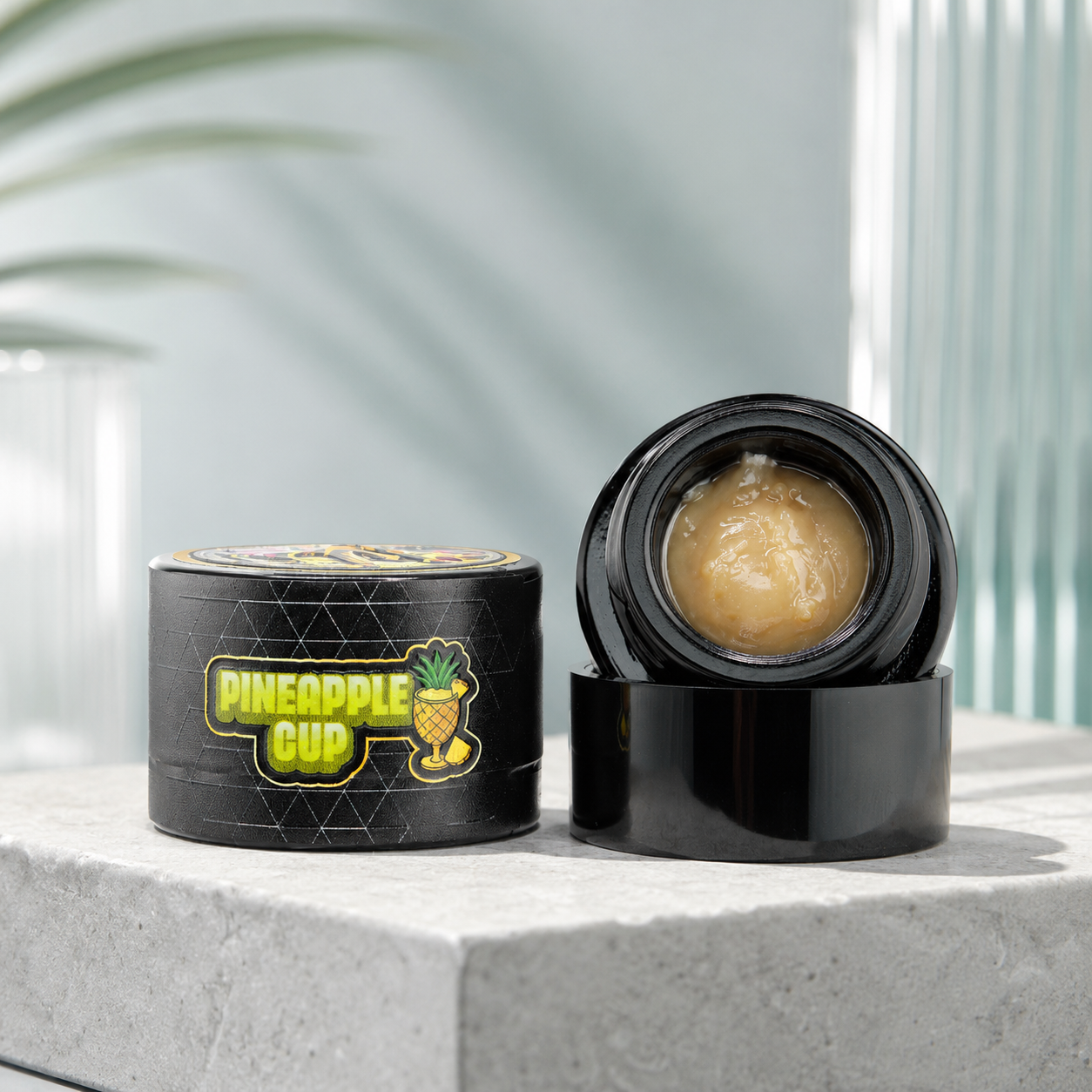
Borosilicate glass jars are non-reactive, meaning they won’t leach chemicals into your concentrate or absorb terpenes over time. They’re also easy to clean and reuse; they seal well with the right lid, and opaque options are available if you want UV protection built in.
For most concentrate types, including wax, shatter, and live resin, a small, airtight glass jar is a reliable long-term storage choice. Keep it sealed until you’re ready to use it, and make sure the lid creates a proper seal every time.
Silicone Jars Work for Short-Term Use
Silicone has become a popular option because concentrates tend not to stick to it, making it easy to retrieve every last bit. However, silicone is slightly porous over time, which means it’s better suited for short-term use rather than weeks or months of storage.
If you’re going through your concentrate fairly quickly, say, within a week or two, a silicone jar is perfectly fine. For anything longer, transitioning to glass is a smarter call.
Parchment Paper Is Not a Storage Solution
Parchment paper is a handling tool, not a storage medium. It’s great for working with concentrates on a surface, but leaving your product wrapped in parchment inside a baggie for any length of time exposes it to air and fluctuating humidity. It’s a shortcut that costs you quality.
Temperature Guidelines: How Cold Is Cold Enough?
The ideal storage temperature depends partly on how soon you plan to use your concentrate.
For anything you’re planning to use within one to two weeks, a cool, dark drawer at room temperature, ideally below 70°F, is sufficient. Beyond that window, refrigeration becomes a smart option. The cooler temperature slows the natural degradation process and preserves both potency and terpene profile significantly longer.
For long-term storage, anything beyond a month, freezer storage is genuinely worth considering. The key is making sure your container is truly airtight before freezing.
Condensation is the enemy here. When you take a frozen concentrate out and let it warm up with the lid open, moisture from the air can settle on the product. Always let frozen concentrates return to room temperature completely before opening the container.
According to research published by the National Institutes of Health, cannabinoid degradation is meaningfully slowed at lower storage temperatures, supporting what experienced consumers and producers have observed for years.
Storage Tips Specific to Different Concentrate Types
Different textures and formulations have slightly different storage behaviors, and it helps to know what you’re working with.
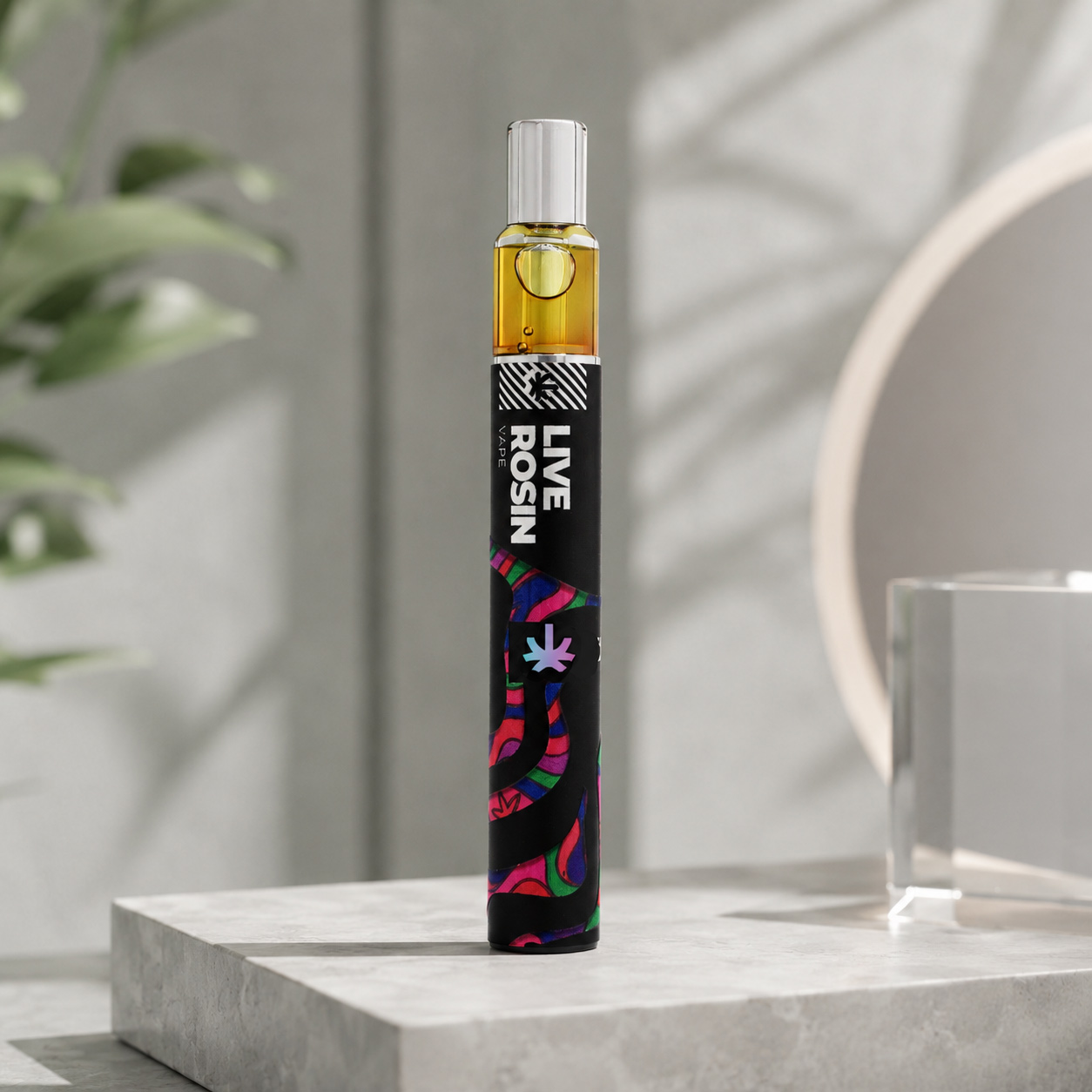
- Live resin and live rosin are among the most terpene-rich concentrates available, which also makes them among the most sensitive. These should be kept refrigerated as a default and brought to room temperature briefly before use. Their complex flavor profiles are the first thing to suffer in poor storage conditions.
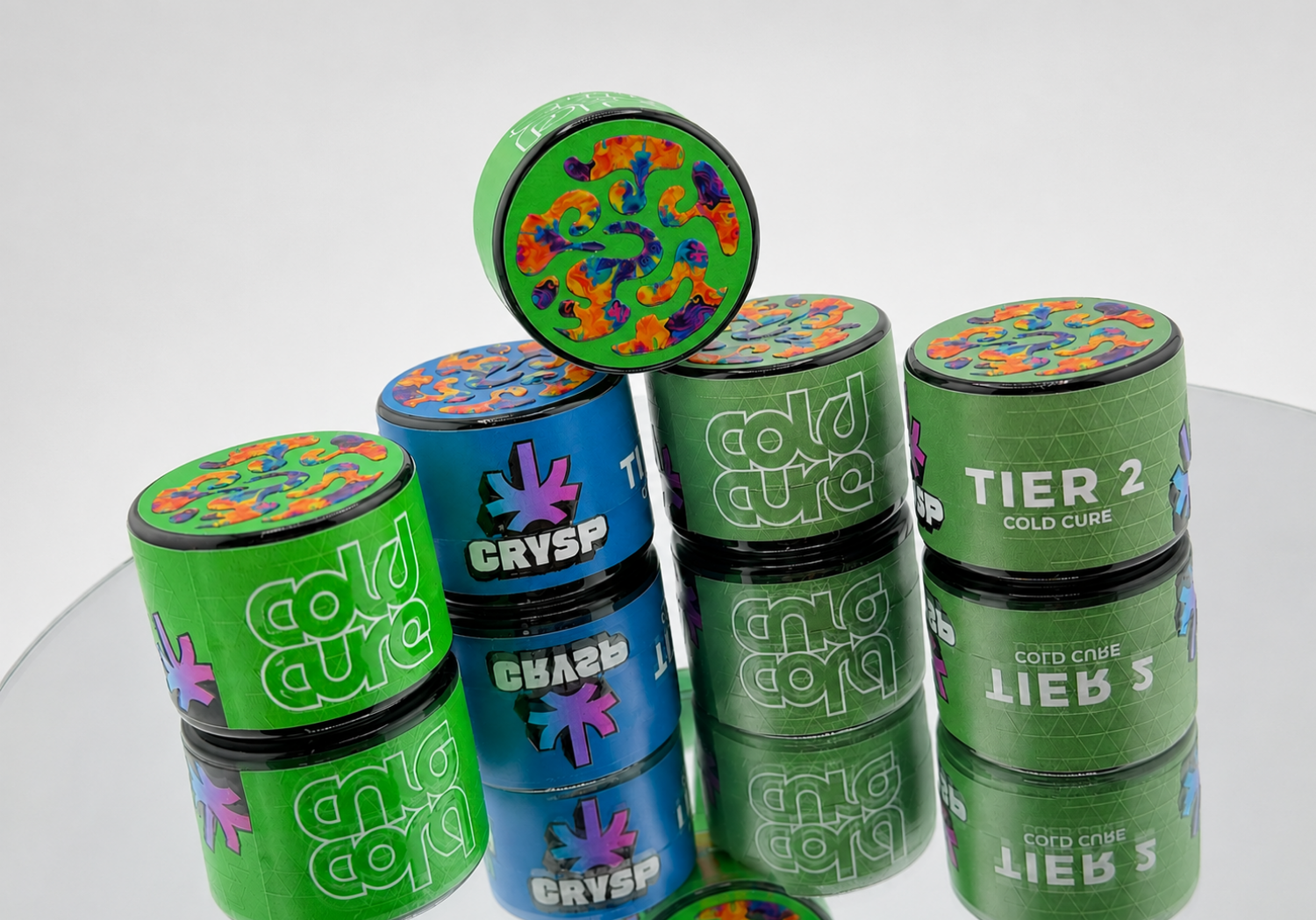
- Cold cure concentrates are similar in their sensitivity. The cold cure process is specifically designed to preserve terpenes and texture, so undoing that work with improper storage would be a shame. Keep these refrigerated and in a sealed glass container.
- Wax and crumble are a bit more forgiving in texture but still degrade from heat and light. Room temperature storage in a sealed, opaque glass jar works well for short to medium-term use.
- Shatter is one of the more stable forms of concentrate. At cooler temperatures, it holds its form well. However, heat turns it sticky and difficult to handle, and prolonged exposure will still reduce potency.
If you want to better understand how different concentrate types compare in terms of extraction and quality, the comprehensive guide to THCA products at Crysp breaks down the differences in clear, useful terms.
Common Storage Mistakes and How to Avoid Them
One of the most common mistakes people make is treating concentrates like they treat flower – throwing them in a drawer, not particularly sealed, and checking back in a few weeks expecting them to be unchanged. Concentrates are often more potent by volume, which makes the degradation sting more when it happens.
Another frequent error is using the original packaging as a long-term container. Many products come in containers that are fine for transport and short-term storage but aren’t designed for extended preservation. Transferring your concentrate to a proper glass jar with an airtight seal is a simple upgrade that pays off.
Finally, temperature cycling is underrated as a threat. If your storage spot fluctuates significantly between warm and cool throughout the day, like a car glove box or a spot near a drafty window, that repeated expansion and contraction can stress the material and accelerate breakdown.
Find a stable environment and keep it there.
How Long Can THCA Concentrates Stay Potent?
Under ideal conditions – sealed glass, refrigerated, away from light – most high-quality concentrates can maintain their potency and flavor for six months to a year. Freezer storage can extend that window even further.
Under average conditions – room temperature, partially sealed, in moderate light – expect noticeable degradation within a few weeks to a few months depending on the concentrate type.
The quality of the concentrate at the point of purchase also matters. A well-made extract from quality starting material will hold up better than something that was already of lower quality to begin with. That’s one reason sourcing from a reputable provider matters as much as how you store it afterward.
Frequently Asked Questions
Can I store THCA concentrates in the freezer?
Yes, and for long-term storage it’s actually a great option. The key is making sure the container is completely airtight before freezing and that you allow the concentrate to fully return to room temperature before opening it. Moisture from condensation is the main risk to manage.
Does refrigeration change the texture of my concentrate?
It can, slightly. Cold-cure rosin and live resin will firm up when chilled and may need a few minutes at room temperature before they’re workable. This is normal and doesn’t affect quality.
How do I know if my concentrate has gone bad?
The most obvious signs are a significant darkening in color, a loss of aroma, and a noticeably harsher or flatter flavor on use. Degraded concentrates don’t suddenly become dangerous, but they do become less enjoyable and less effective.
Should I store different concentrates in the same container?
No. Even if they’re from the same batch, mixing concentrates can alter the terpene profile and make it harder to get consistent results. Keep each variety separate and clearly labeled.
How to Keep THCA Concentrates Potent for Longer
Proper storage is not complicated, but it does require a little intentionality. The core habits are straightforward: use airtight glass containers, keep products cool and dark, minimize how often you expose them to air, and plan ahead if you’re buying in bulk or storing for more than a few weeks.
The concentrates you buy are the result of careful cultivation and extraction work. The artisans behind those products put serious craft into what they produce, and good storage is simply the final step in honoring that effort.
If you’re curious about the range of concentrate options available – from live resin to cold cure to wax – take the time to explore what’s out there before committing to a bulk purchase. Knowing the product helps you store it correctly, and it helps you get the most out of every session.
At Crysp, every concentrate we carry has been vetted for quality and craftsmanship. When you invest in a premium product, we want you to enjoy it at its best – not discover weeks later that improper storage cost you the experience you paid for. Shop thoughtfully, store properly, and the difference will be clear every time you open that jar.