What Is THCa (Tetrahydrocannabinolic Acid)?
THCa stands for tetrahydrocannabinolic acid, the form of THC found in raw, live cannabis plants. Unlike THC, THCa itself will not get you high – it’s considered non-psychoactive until it is converted into THC through heat via a process called decarboxylation. In fresh cannabis buds, most of the THC is initially present as THCa. When you smoke or vaporize cannabis (or bake it into edibles), the heat causes THCa to decarboxylate into THC, producing the well-known psychoactive effects. Because of this, consuming THCa in raw forms (like raw cannabis juice or unheated tinctures) won’t cause intoxication. However, THCa may offer other potential benefits – early research suggests it could have anti-inflammatory or neuroprotective properties, though more studies are needed to fully understand its effects.
It’s important to note that while THCa is a different compound than THC, your body can metabolize it into the same metabolites as THC once it’s been converted. This means using THCa in a way that involves heat (smoking, vaping, or cooking) will result in THC in your system, which can be detected by drug tests just like regular THC would.
How Long Does THCa Stay in Your System?
One of the most common questions is how long THCa (and its metabolites) remain detectable in your body. The truth is, it varies greatly from person to person. Several factors – such as how often you consume THCa, your metabolism, and even your body composition – determine the duration. In general, for an occasional user, THCa’s breakdown products may clear out of the system within about a few days to a week. On the other hand, a regular or heavy user (someone consuming THCa or cannabis daily) could have detectable levels for 30 days or longer after last use. Some sources even suggest that very chronic, long-term use might be traceable for up to 90 days in extreme cases.
Why such a wide range? Cannabinoids like THCa/THC are stored in fat cells and released slowly over time. If you only tried a THCa product once or use it infrequently, your body can eliminate the metabolites relatively quickly. But if you use THCa habitually, those metabolites build up in fat tissues and take much longer to fully leave your system. In essence, a single use might be gone in a week or less, whereas frequent use can linger for a month or more. And if we consider hair follicle tests, which we’ll discuss shortly, evidence of THCa use could persist for up to two or three months (since hair can retain a record of exposure).
Factors That Influence THCa Retention
Many personal variables influence how long THCa stays in your system. Here are some key factors to keep in mind:
Frequency & Amount of Use
The more often and the more THCa/THC you consume, the longer it will take your body to eliminate it. Occasional users clear it faster, whereas chronic heavy users accumulate metabolites that extend the detection window.
Metabolism
Individuals with a fast metabolic rate break down and expel cannabinoids quicker, while those with slower metabolisms will retain traces for longer. Age, genetic factors, and overall health can all affect metabolic speedt.
Body Fat & Body Type
THC and its metabolites (from THCa) are lipophilic, meaning they bind to fat. If you have a higher body fat percentage, you may store THCa/THC metabolites longer than someone leanert. These compounds gradually release from fat into the bloodstream over time, prolonging detectability.
Hydration & Exercise
Staying well-hydrated and physically active may help a little in flushing out metabolites. Good hydration can dilute urine and support the body’s natural detox processes, and exercise can burn fat (potentially releasing and eliminating stored THC)t. However, these are not instant solutions – they just support overall metabolism and health.
Consumption Method
How you consume THCa matters. If you ingest raw THCa (say, by eating raw cannabis or a THCa tincture without heating it), much of it may not convert to THC in your body, thus it might not produce the typical THC metabolites that tests look for. But if you smoke, vape, or cook THCa, you’re definitely creating THC, which will be metabolized and stored like any other THC dose. In other words, heated consumption leads to a positive test risk, whereas purely raw consumption is far less likely to show up (though raw usage is uncommon for most consumers).
Understanding these factors can help you estimate where you might fall on the timeline of clearing THCa from your system. Next, let’s look at how THCa use translates to drug test results across different testing methods.
THCa Products at Crysp: Gummies, Flower, Vapes & More
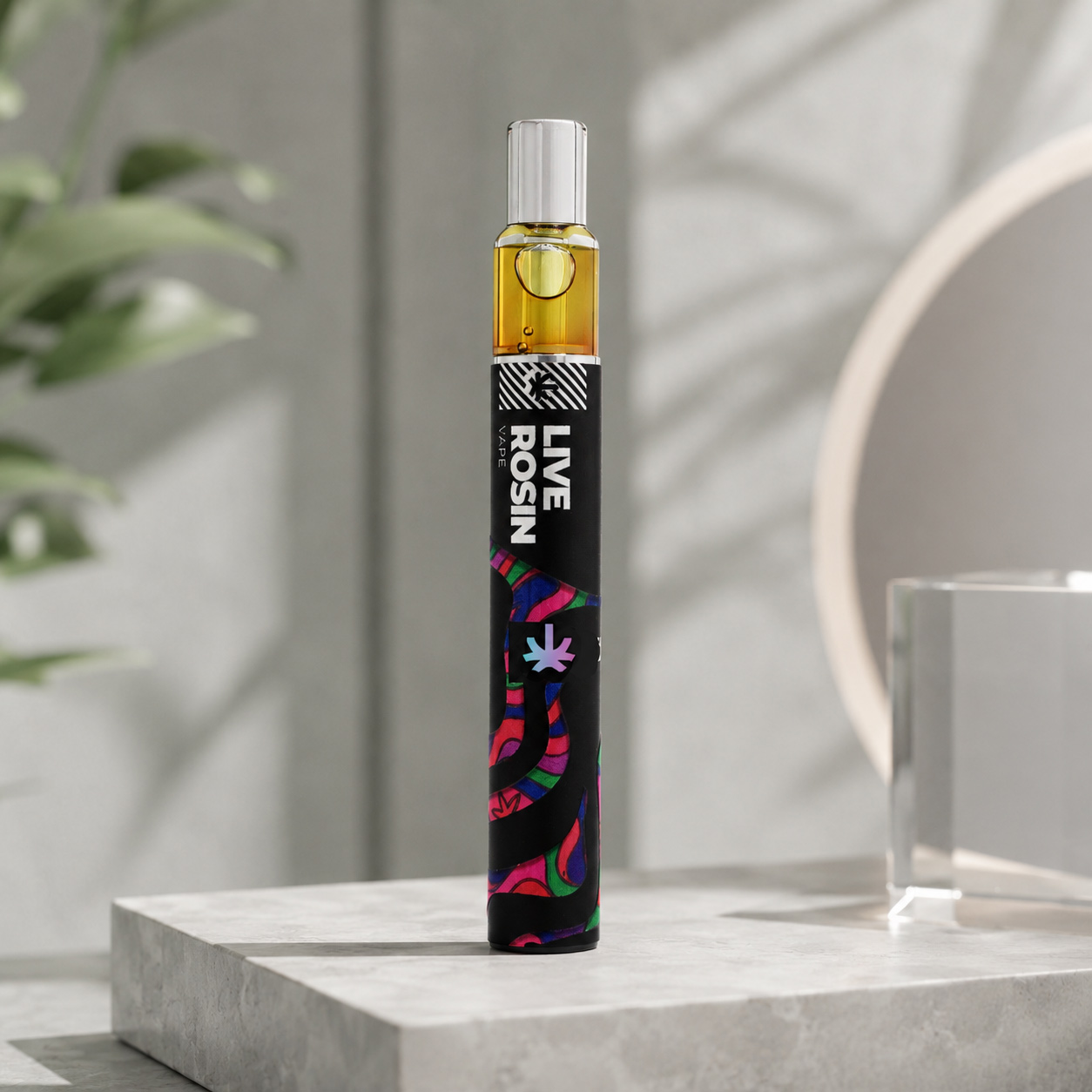
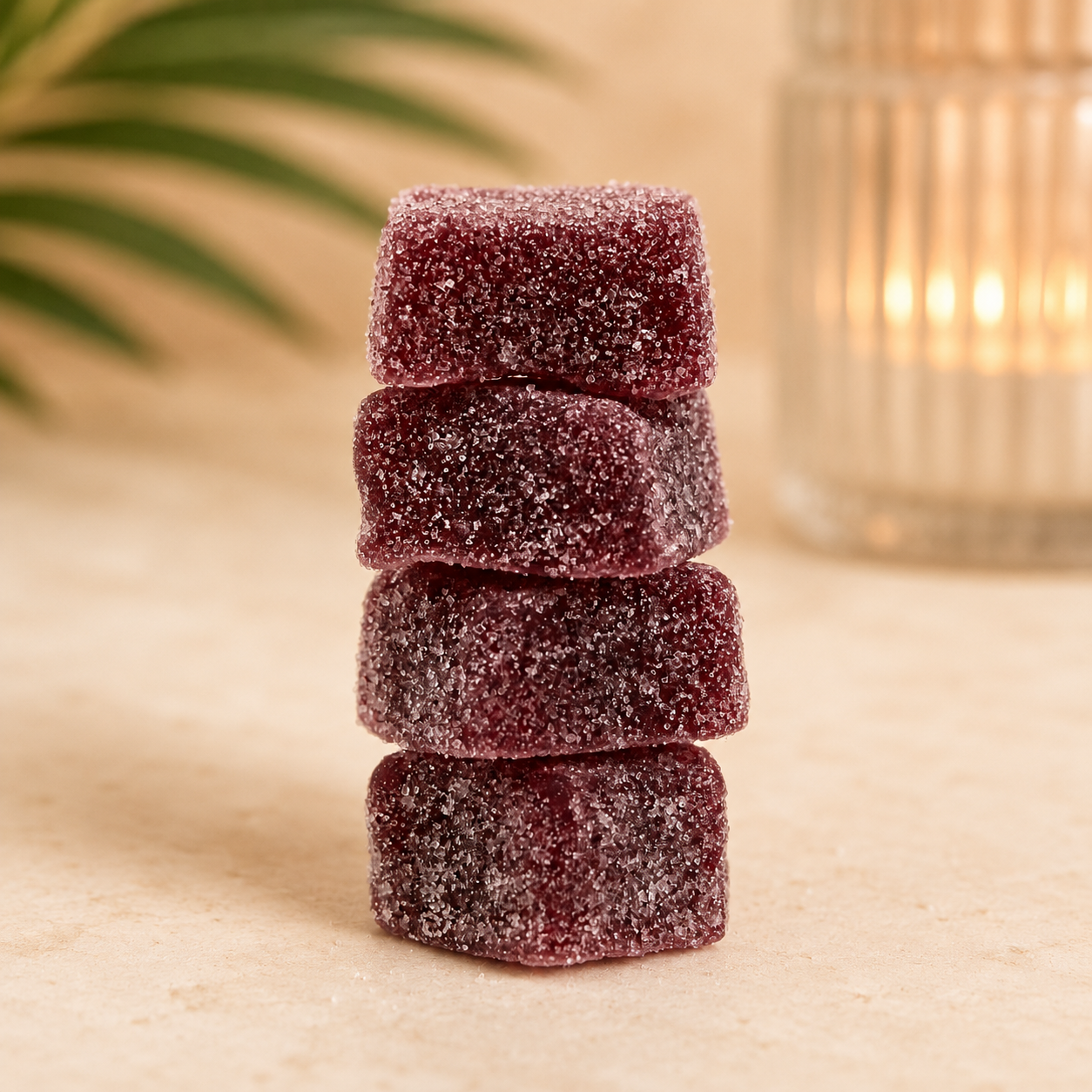
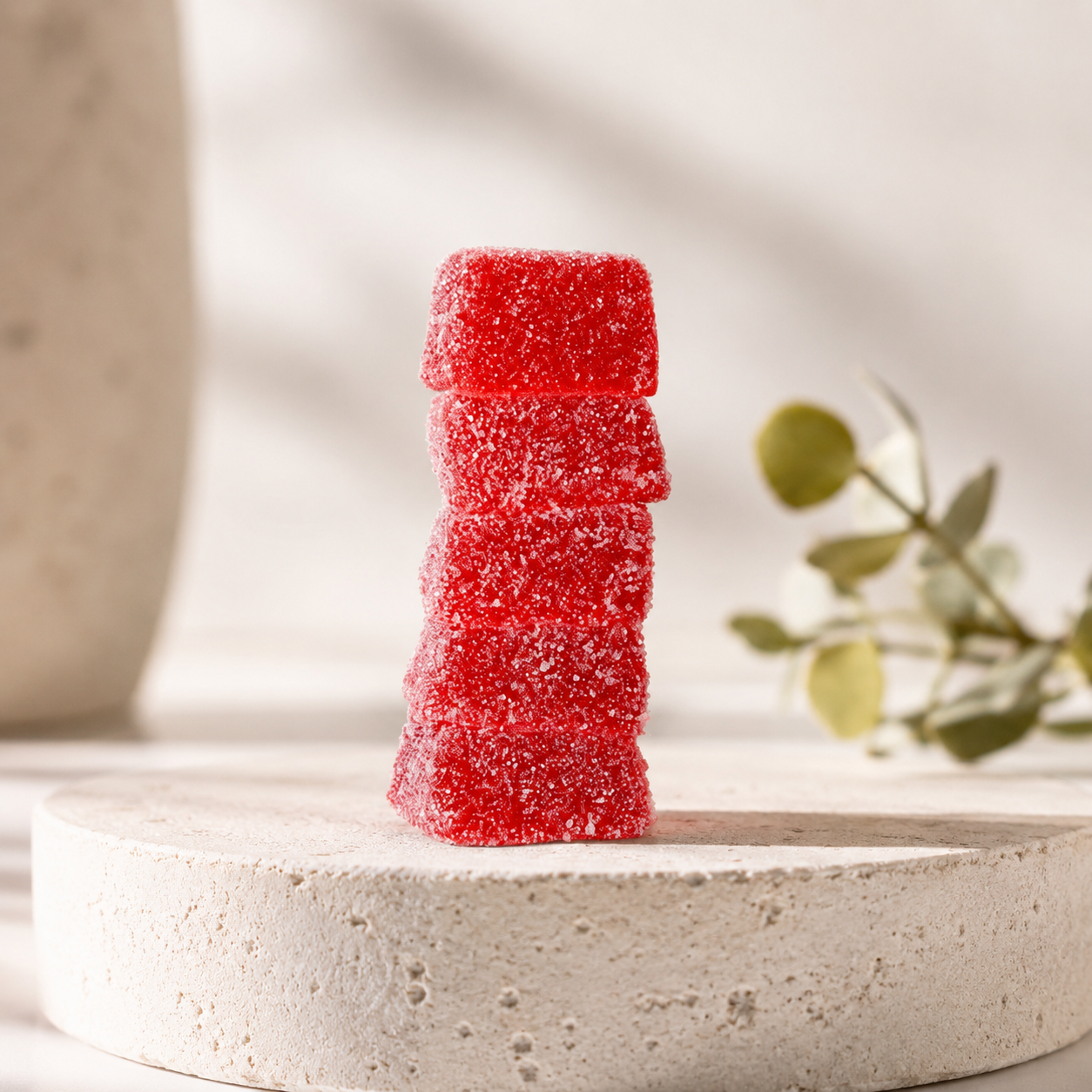
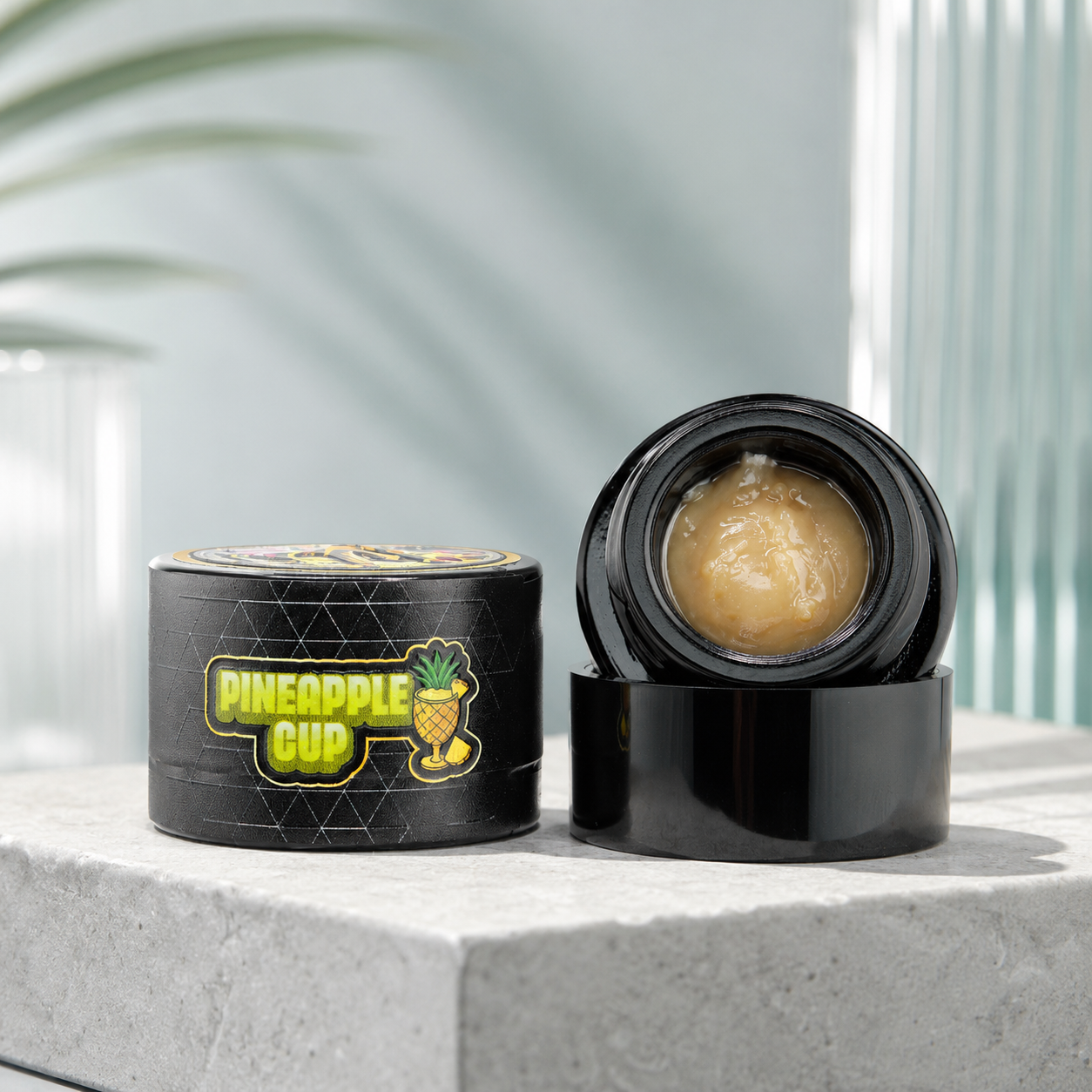
If you’re interested in exploring THCa for its benefits (or just as an alternative way to enjoy cannabis), it’s important to get products from a reputable source. Crysp is a brand that offers a wide range of quality cannabis and THCa-based products to suit different preferences. In fact, Crysp provides everything from cannabis gummies and premium THCa flower to THCa vapes and concentrated extracts. Their selection includes popular items like live resin carts (cartridges), live rosin carts, cold cure cannabis concentrates, THCa concentrates (such as THCa diamonds or powders), and live resin dabs. Essentially, every form a consumer might want to try – edibles, smokables, or dabables – is available through Crysp’s online store.
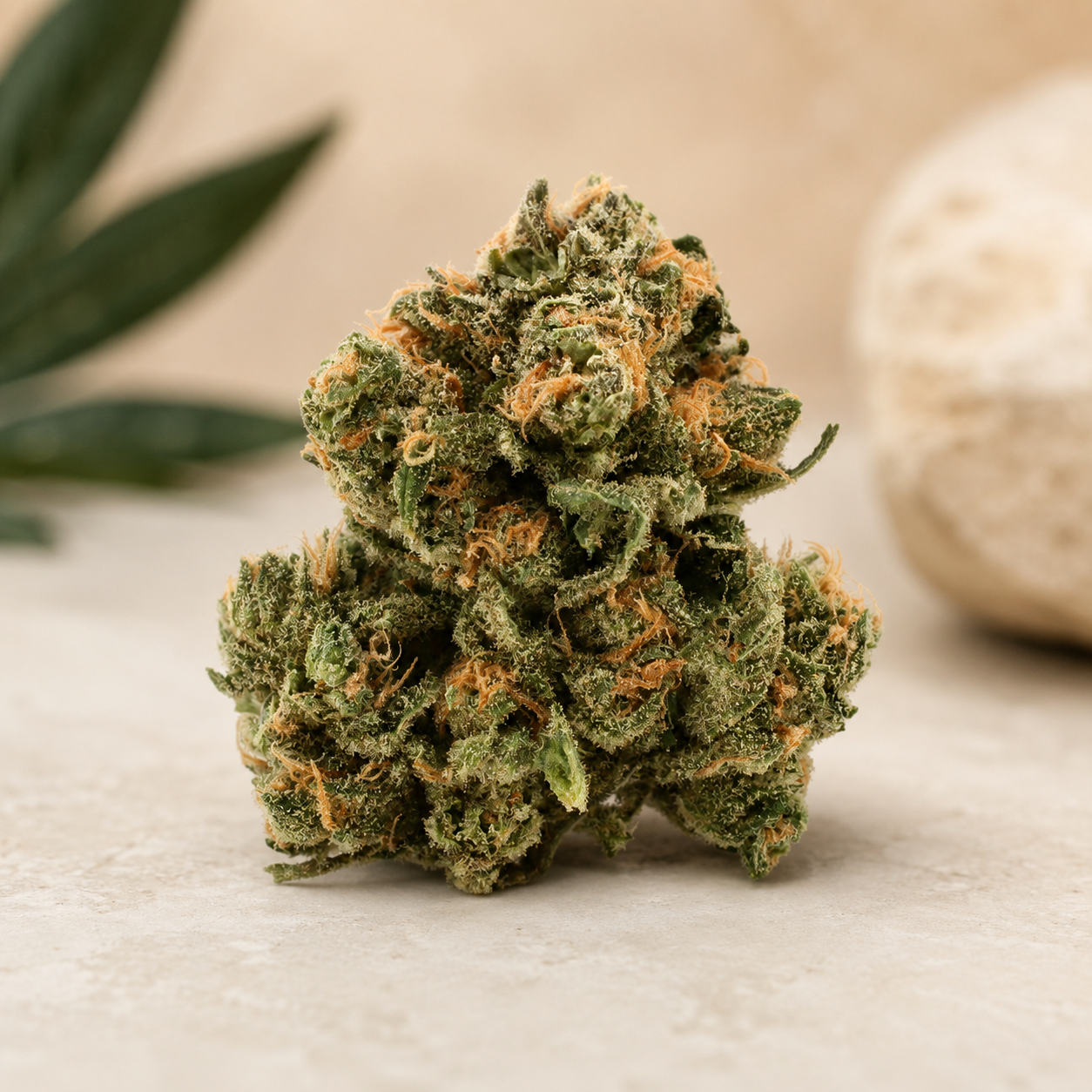
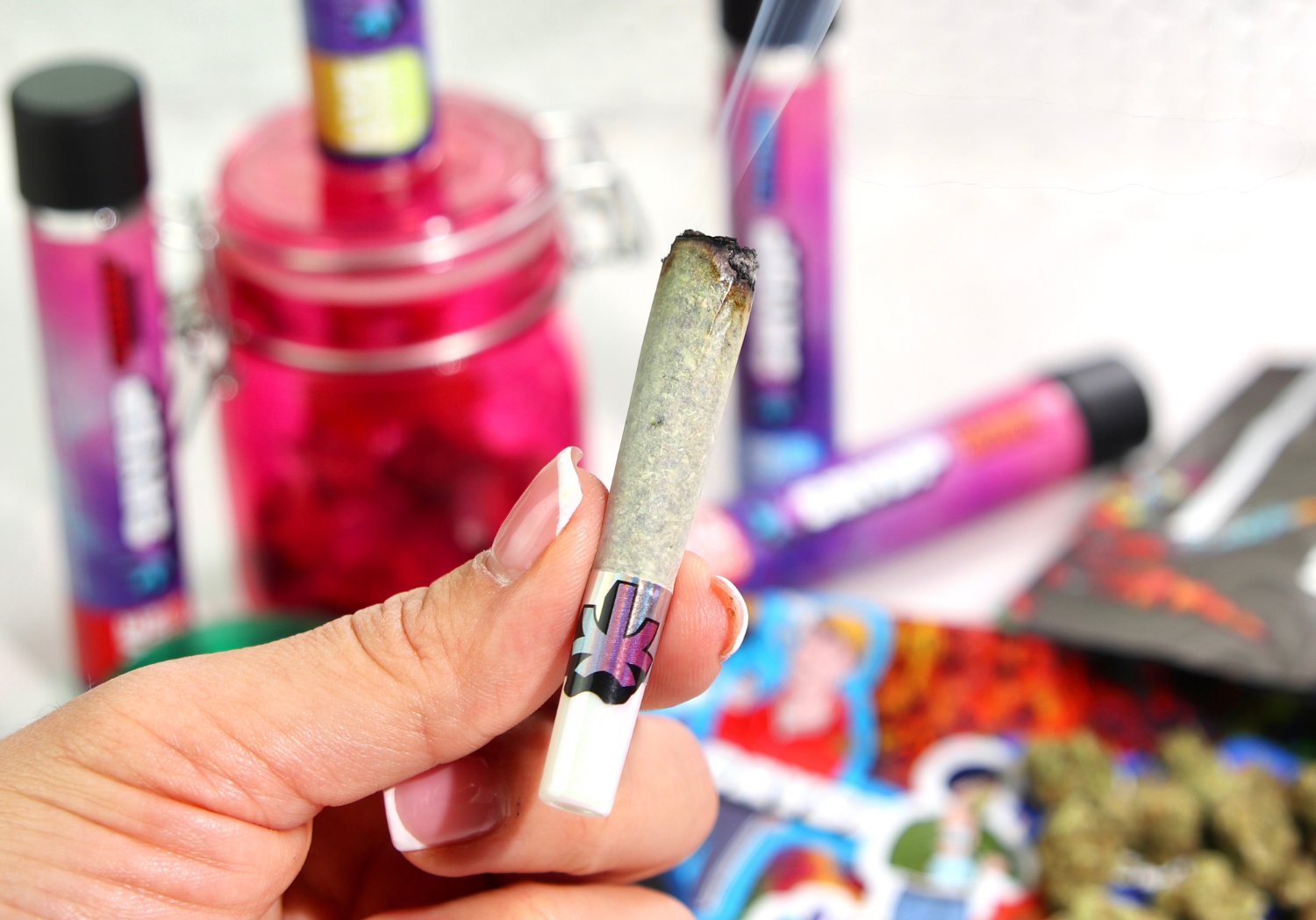
For example, Crysp is known for offering some of the best THCa flower online, with indoor-grown, high-THCa strains that are federally compliant yet deliver a potent experience. All products are crafted for quality and purity, with lab testing to ensure you know exactly what you’re getting. Whether you prefer the convenience of a sweet gummy, the ritual of smoking top-shelf flower, or the intensity of a concentrate, Crysp has you covered with legal, hemp-derived options.
Conclusion
Understanding what THCa is and how long it stays in your system will help you use these products responsibly. While THCa offers a novel way to enjoy cannabis (especially in states where certain THCa products are legal under hemp laws), you should treat it with the same caution you would regular THC when it comes to drug tests and consumption levels.
By staying informed on detection times and personal factors, you can make smarter decisions about your usage. And if you decide to try THCa products, consider trusted providers like Crysp for a safe and reliable experience. Enjoy responsibly, and stay aware of how THCa may affect your system for the days and weeks after you partake – knowledge is the key to both wellness and peace of mind for any cannabis consumer.