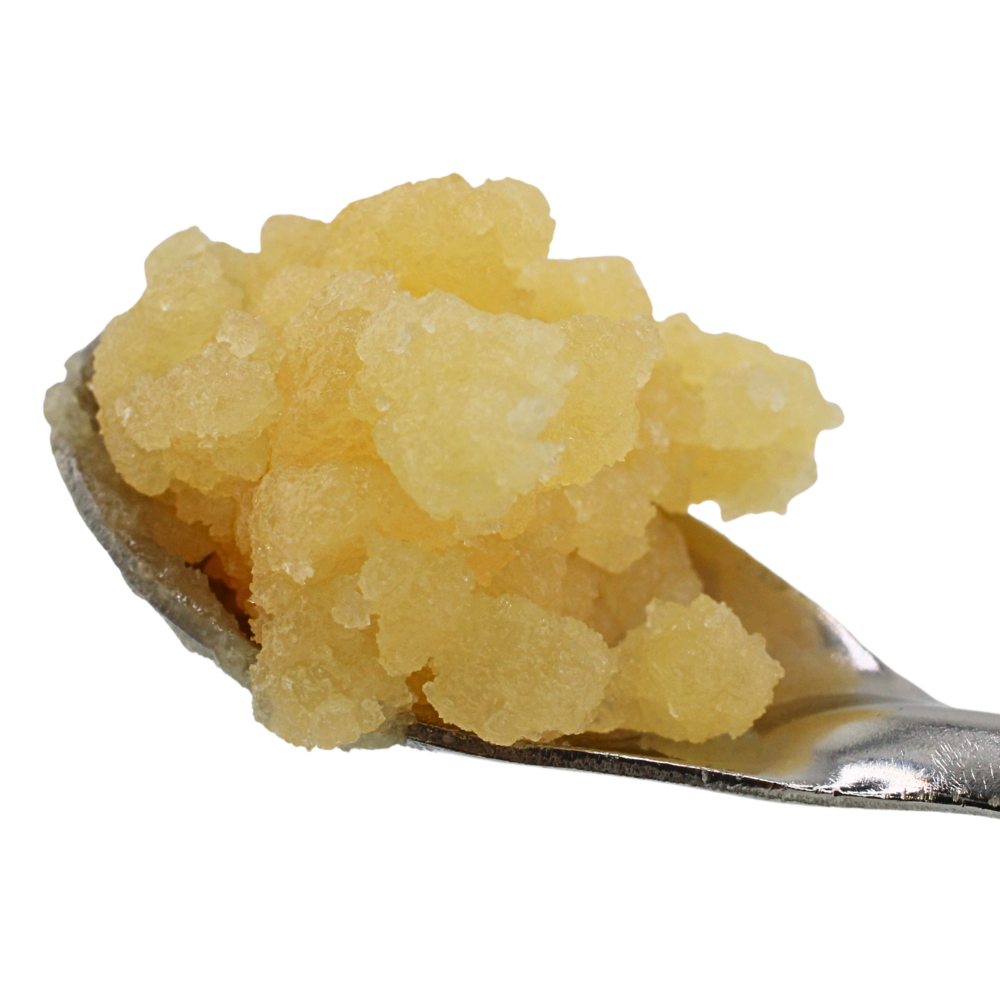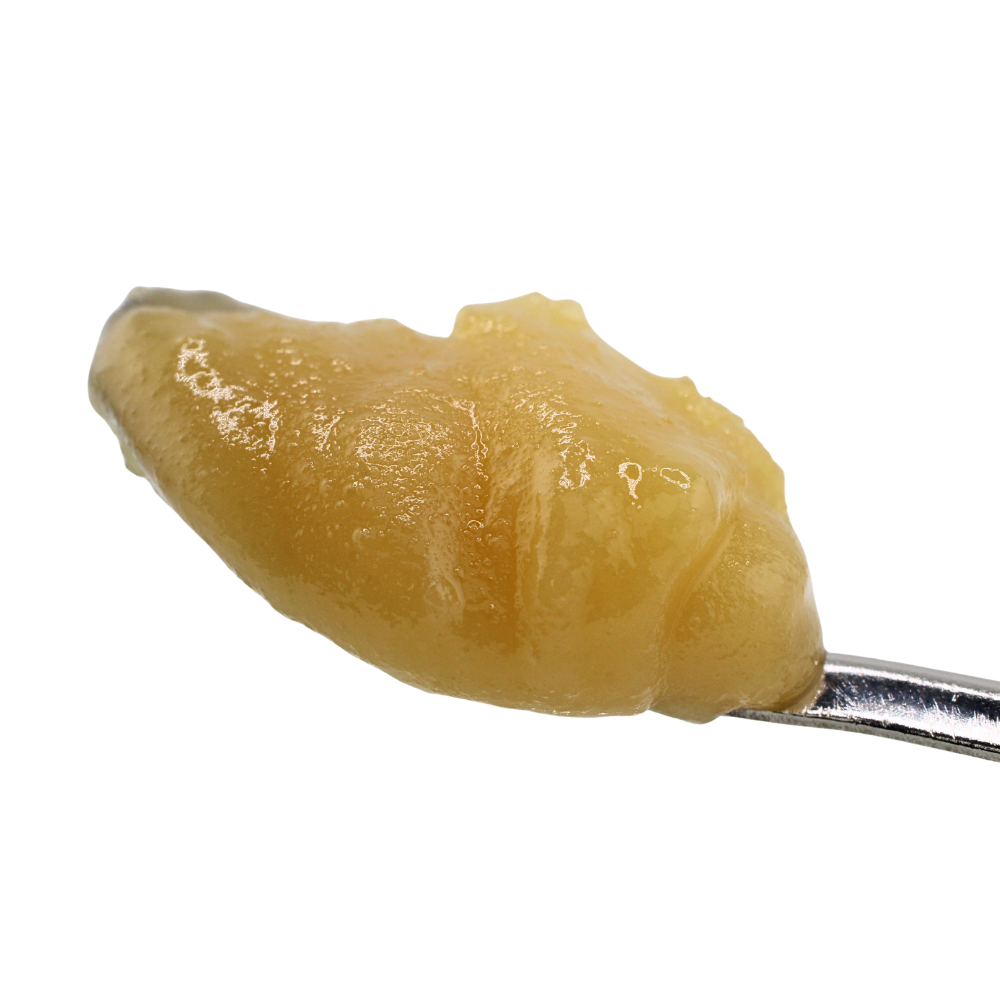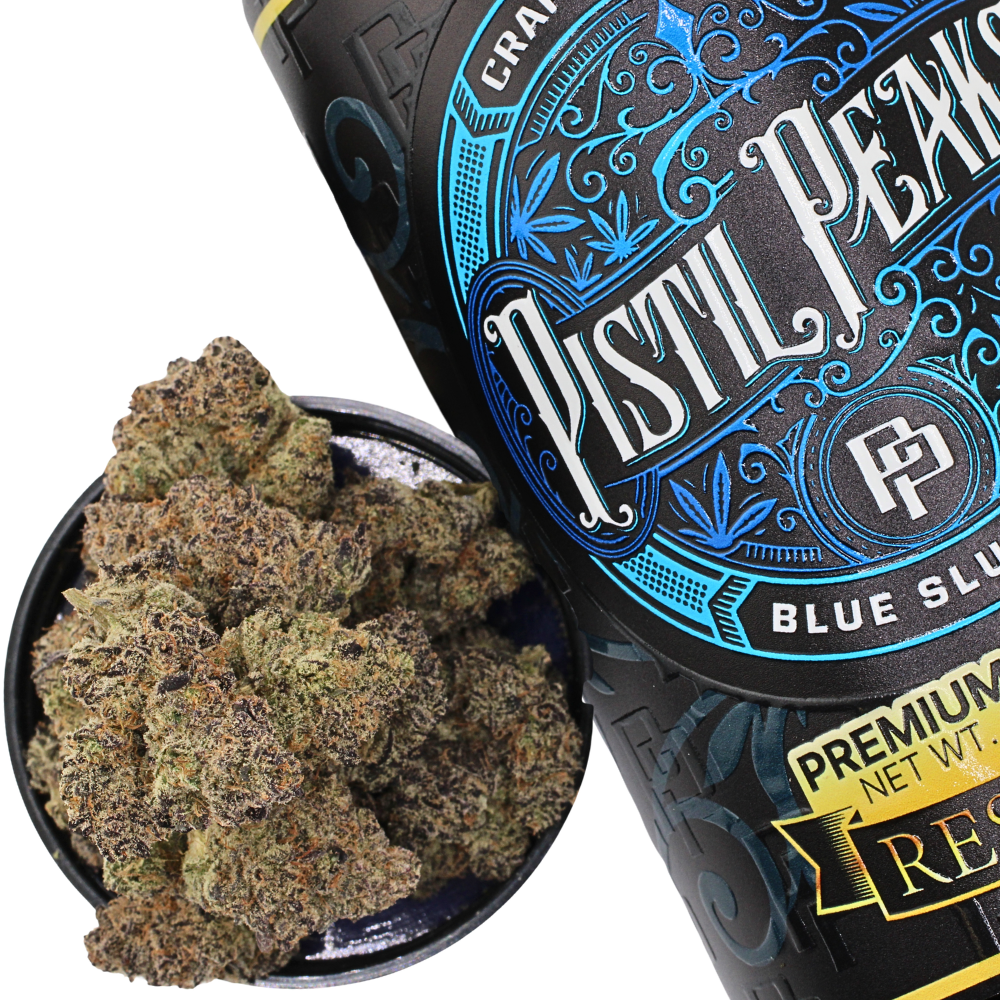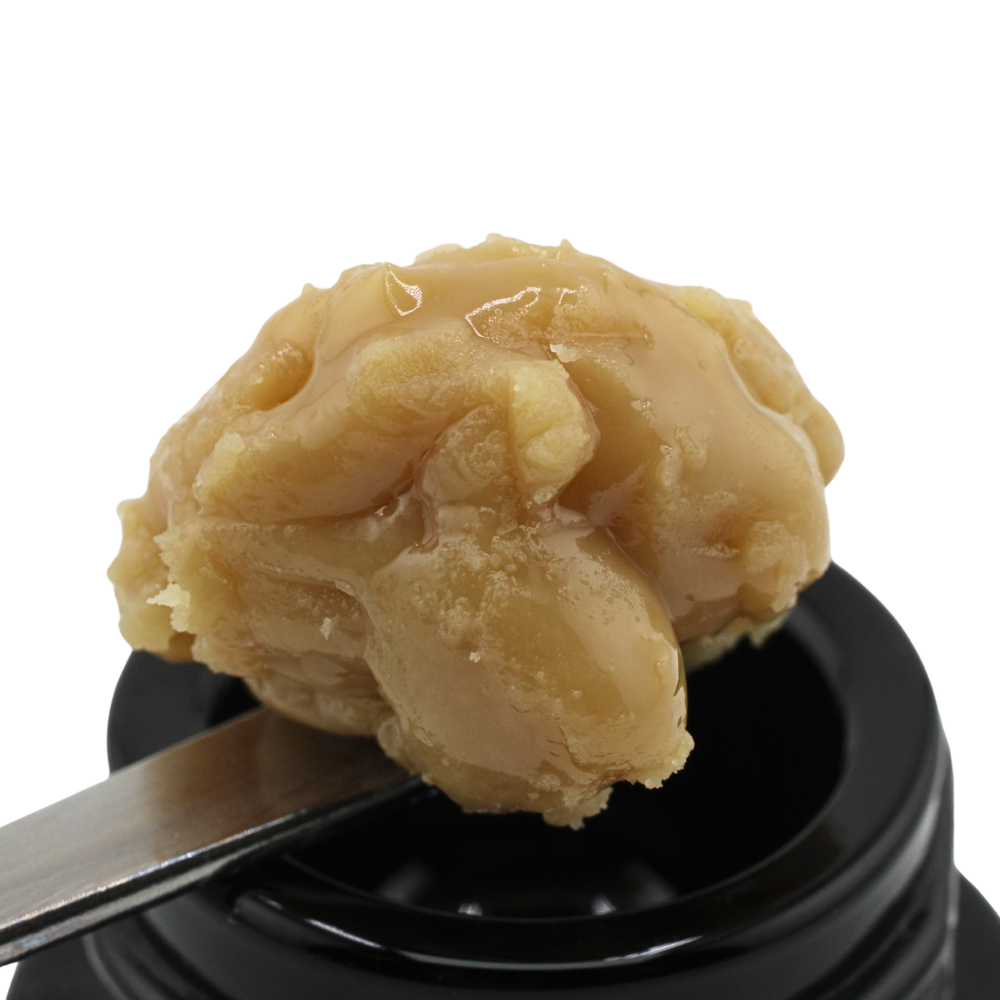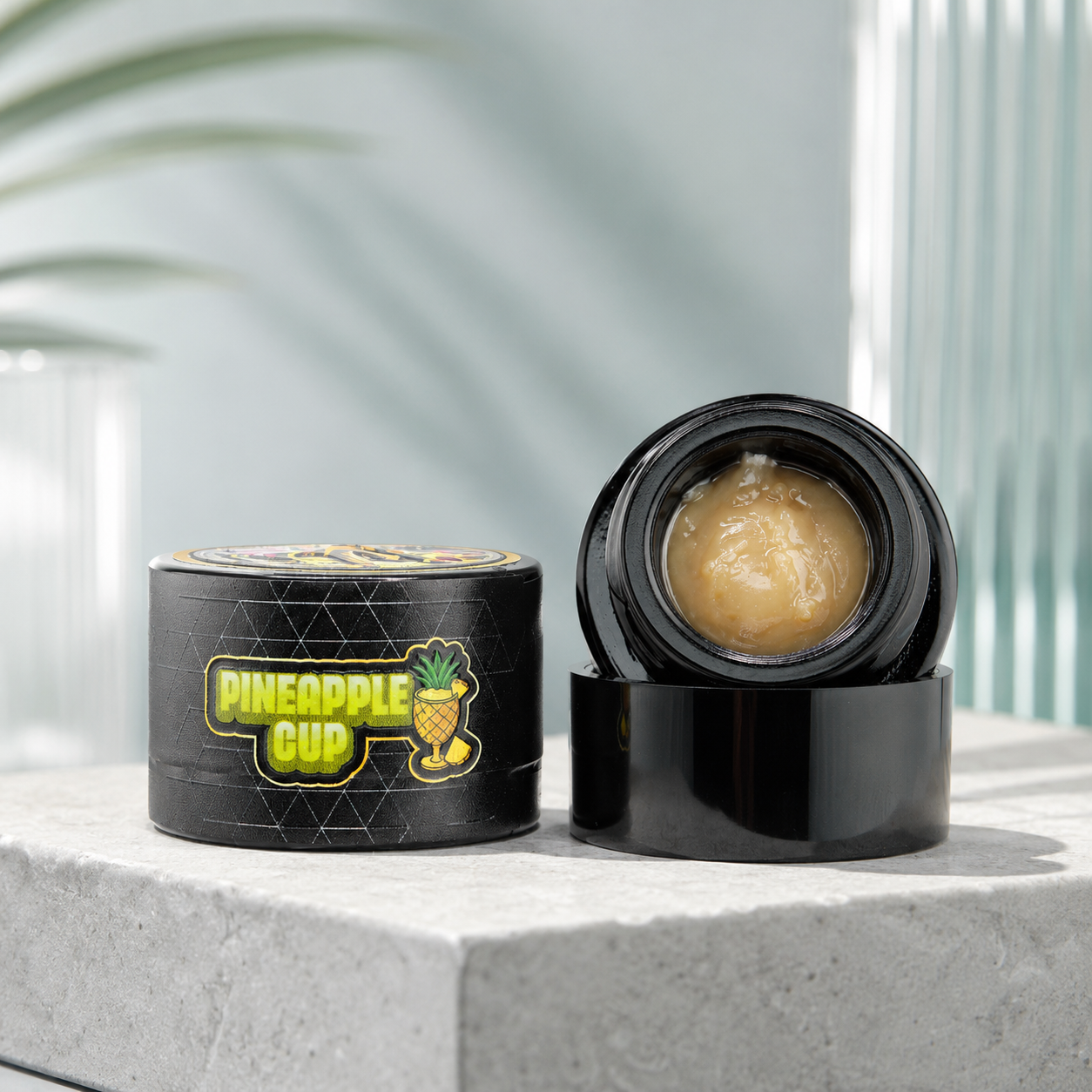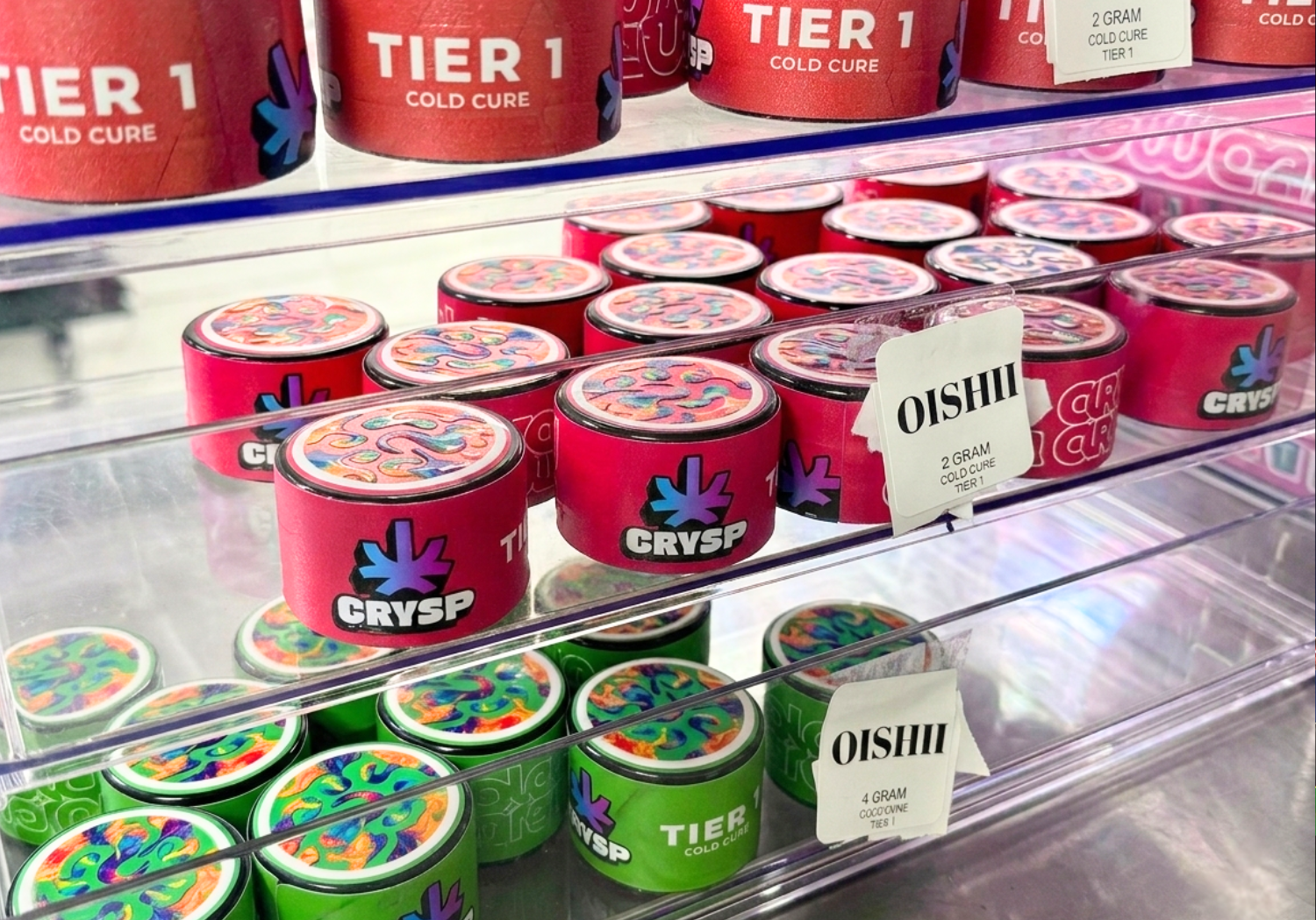
Cold cure rosin is a solventless cannabis concentrate prized by connoisseurs for its rich terpene profile and full cannabinoid spectrum. In cold curing, freshly pressed rosin is sealed in a jar at cool temperatures to “nucleate” the concentrate, creating a creamy “badder” texture and preserving delicate flavors. However, rosin can degrade if stored improperly. Light, heat, air and humidity all attack cannabinoids and terpenes over time. Proper storage – using cool, dark, airtight conditions – locks in potency, flavor and texture. This guide explains the science behind rosin degradation (light exposure, temperature, oxidation, terpene volatility, humidity) and gives rosin storage best practices to keep your extract fresh.
Rosin Degradation: What Goes Wrong
Rosin, like all cannabis extracts, is chemically active. Cannabinoids (THC, CBD, etc.) and terpenes (aromatic oils) can break down over time. Key factors include:
Light Exposure
UV and visible light trigger photodegradation. Studies show light speeds THC and THCA breakdown. In one 4-year study, cannabis extracts stored in light had a 10× shorter half-life (≈35 days) than resin stored in darkness (≈330 days). In other words, even indirect light can erode potency. Keep rosin in opaque or UV-blocking containers and a dark cabinet to prevent this.
Heat and Temperature
Elevated temperatures accelerate chemical reactions. Warm storage can decarboxylate THCA to THC (or degrade THC further to CBN), and makes volatile compounds evaporate. Cold conditions slow all of this. In fact, the same study found no degradation of cannabinoids in cannabis resin stored at –20 °C over years. By contrast, room-temperature resin lost THC gradually and saw THCA “die off.”
In practical terms, storing rosin near freezing (32–50 °F or 0–10 °C) greatly preserves both cannabinoids and terpenes. At room temp (above ~70 °F), some terpenes actually begin to evaporate and THC slowly converts to CBN (a milder, sedating cannabinoid). One processor notes that at ambient temperature, “THC gradually converts into CBN” – making dabs feel sleepy rather than potent – whereas storage at –20 °C can nearly halt that conversion for years.
Oxygen (Oxidation)
Exposure to air causes oxidation. Oxygen molecules attack double bonds in cannabinoids and terpenes. Over time, THC oxidizes into CBN; limonene and pinene oxidize into off-smelling compounds. Even CBD slowly degrades. In practice, leaving rosin open to air will “skyrocket” terpene loss and steadily erode potency. Always use a fully sealed container (ideally vacuum-sealed) to minimize oxygen contact.
Terpene Volatility
Terpenes are small, volatile oils. Many have boiling points between 120–180 °C, but begin evaporating at much lower temperatures. For example, myrcene and limonene vaporize gradually at warm room temperatures.
Even handling or warm cabinets can let terpenes slowly escape. As one expert notes, “cold curing…doesn’t raise the rosin above 70 °F…some terpenes begin to evaporate” above that threshold. Once terpenes are gone or oxidized, a rosin loses its characteristic aroma and flavor. In practice, you may notice a dry, flat taste if terpenes evaporate. That’s why tight sealing and cool storage are crucial – to lock terpenes in place.
Humidity and Moisture
Rosin itself has almost no water content, but ambient humidity still matters. High humidity (>65% RH) can introduce moisture to the concentrate or jar, leading to “popcorn” sputtering when dabbing and even mold risk if rosin has any plant contaminants. Conversely, extremely dry air (<40% RH) can make rosin crumble or become dusty.
Experts recommend a stable humidity around 55–62% RH to keep rosin “balanced”. This range prevents stickiness or brittleness. In practice, store rosin in a dry environment (and consider using humidity-control packs if needed), avoiding damp basements or overly dry heaters.
In sum, every extra degree of heat, ray of light, puff of oxygen or excess moisture chips away at rosin’s quality. A forensic analysis of aged cannabis resin found dramatic changes: fresh resin with ~35% THC saw that drop to only ~2.7% after two years of poor storage, while CBD and CBN levels rose sharply. Improper storage leads to significant losses in potency (lower THC/CBD), flavor and aroma (lost terpenes), and can even affect texture (harsh, crumbly or overly wet rosin).
Best Practices for Rosin Storage
To protect your cold cure rosin, follow these rosin storage best practices:
Use Airtight, Inert Containers
Store rosin in clean glass jars or vacuum-sealed containers. Glass is inert and won’t react with terpenes. Silicone can work for short-term holding, but over time acidic terpenes may leach silicone or degrade it. Avoid plastic (permeable to air and leachables) and reactive metals. Label each jar with strain, date and cure method so you can track freshness.
Keep It Cool – Consistently
Aim for 32–50 °F (0–10 °C) as an ideal temperature range. A wine fridge or dedicated mini-fridge is perfect for long-term storage. Cold slows chemical reactions and evaporation. If you’re planning to use the rosin within a week or two, the refrigerator is usually sufficient. For long-term storage (months or more), freezing at –20 °C (–4 °F) is often recommended, since studies show virtually no cannabinoid loss at that temperature. However, note that freezing can cause condensation on opening – always seal jars tightly and let them warm gradually (see below).
Protect from Light
Store rosin in a dark place. Keep jars in opaque boxes or wrap them in foil to block UV/visible light. Even fridge/freezer lights can degrade rosin, so consider covering the jar if it has a clear lid. Light not only fades THC, it also degrades terpene hydrocarbons – leaving skunky, flat flavors.
Avoid Air Exposure
Minimize oxygen. Fill jars to limit headspace, or use small glass vials for daily portions. Vacuum sealing is ideal for very long storage. Even with inert containers, every time you open a jar you introduce fresh air that starts oxidation. If possible, divide rosin into small jars so you only open what you need. Remember: “Exposure to air causes… rosin concentrates to degrade”.
Maintain Moderate Humidity
Keep rosin in a cool, moderately dry environment (≈55–62% RH). A typical home fridge is fine (about 40–50% RH inside). If you suspect high humidity, adding a small desiccant or RH pack can help. Never store rosin in damp rooms, bathrooms or near humidifiers.
Gentle Handling
Handle rosin only with clean dab tools – not fingers – to avoid contamination. Each time you touch it, heat and oils from your skin can degrade the product. Also, always let rosin warm gradually to room temperature in its sealed jar before opening (15–30 minutes). This avoids condensation dripping into the jar, which can introduce moisture or even mold. Wiping any condensation off the jar rim is a good habit.
Fridge vs. Freezer – Know the Difference
For short-term storage (days–weeks), a refrigerator or cool wine cooler is typically best. It’s well above freezing (no ice issues) but still much colder than room, greatly slowing degradation. For long-term archiving (several months), the freezer halts almost all chemical change. Freezing keeps terpenes locked in place, but remember: always thaw slowly and unopened. If you freeze rosin, bring the jar to room temp before cracking it open. This avoids moisture forming on the rosin. (Tip: warm a frozen jar in your hands or pocket 20–30 minutes before use.)
Portion Control and Rotation
Store rosin in small amounts for daily use. Each time a jar is opened, quality drops, so opening a large batch often wastes freshness. Label jars with date/strain and use “first in, first out” to avoid old stock being forgotten. Only take out what you need, then reseal immediately.
Fridge vs. Freezer: Short-Term vs. Long-Term
Refrigerator (≈32–40 °F / 0–4 °C) – Ideal for most situations. A fridge is cold enough to slow cannabinoid degradation dramatically, and terpene loss is minimal. It’s also convenient if you’re using rosin often (say, weekly). Keep jars away from freezer vents or warm items.
Freezer (≤–4 °F / –20 °C) – Best for long-term storage (months). At –20 °C, studies show virtually no loss of THC or terpenes even after years. Freezing essentially “pauses” chemistry. The downside: condensation and freezer burn risks. Always use airtight glass vials or vacuum bags. Thaw carefully (as above) to avoid damage.
Freezer Pros: Halts all degradation, perfect for backing up large batches or preserving fresh frozen inputs.
Freezer Cons: Risk of moisture, freezer odors, and the need to thaw slowly. (One expert cautions that improper freezing can cause condensation which “can degrade the product”. In practice, avoid stacking jars in a frost-heavy freezer and let jars temper before opening.)
Consequences of Improper Storage
Improperly stored rosin shows obvious changes:
Lower Potency
THC (and other cannabinoids) will steadily decline if exposed to heat, light or air. Expect a fading high; after a year or two, rosin can be mostly CBN. In one storage study, “THC concentrations were reduced to 1.7% after 2 years at room temperature with light exposure”. In contrast, a well-stored rosin should retain most of its initial THC for many months.
Dulled Flavor/Aroma
Loss of monoterpenes (pinene, myrcene, limonene, etc.) means rosin will smell and taste flat. Citrus, pine, diesel, fruity notes will fade. Oxidized terpenes may even give off harsh, off flavors (like mothballs or grassiness).
Texture Changes
Rosin left warm may runny and sticky; exposed to air it can “dry-sugar” on top. Cold-stored rosin usually stays more stable (wet badder or stable crumble). In extreme heat/dry, rosin can become brittle. If rosin picks up moisture (high humidity or condensation), it may “sputter” or shatter unpredictably.
Color Darkening
Oxidation and light tend to brown rosin. A golden or amber rosin may turn dark brownish over time if stored poorly. While color isn’t the best potency indicator, it often signals oxidation.
Microbial Risk
While rosin itself is low-moisture, very high humidity or organic contaminants (if wax wasn’t pure) can allow mold. We mention this mostly as a caution: always start with clean, properly dried material and store rosin away from humid environments.
Rosin Storage Checklist
To make sure you’re covering all bases, here’s a quick checklist:
- Container: Use a clean, airtight glass jar or inert silicone pod. Vacuum seal if possible. Avoid plastic/glass transfers or paper wrapping alone.
- Seal & Label: Vacuum out excess air, seal tightly. Label with strain and date. Store portioned rosin to limit jar openings.
- Temperature: Keep cool and steady. Ideally 32–50 °F (0–10 °C). Use fridge for short-term, freezer for long-term. Avoid highs above ~70 °F.
- Light: Store in dark – in opaque packaging or a dark cabinet. Cover any see-through containers.
- Oxygen: Keep jars sealed at all times except dosing. Avoid frequent breathers. If transporting, consider vacuum pouches or airtight tubes.
- Humidity: Keep the jar dry (≈55–62% RH). Avoid storing rosin in bathrooms or moist rooms. Use desiccant if needed, but do not add moisture.
- Handling: Use clean dab tools, not fingers. Thaw cold jars slowly (leave 15–20 min on counter) before opening to avoid condensation. Wipe any moisture in the lid.
- Rotation: Consume oldest jars first (“FIFO” – first in, first out). Don’t tuck away old stash forever.
Common Mistakes to Avoid
- Exposing to heat or light: Don’t leave rosin on a counter, in a sunlit room, or near appliances.
- Using plastic or dirty containers: Plastic leaches and lets in oxygen; fingerprints introduce oils.
- Ignoring thaw times: Pulling a frozen jar open immediately can dump water onto the rosin.
- Extreme humidity: Don’t store near humidifiers or in a cramped freezer.
- No labeling: If you forget what’s inside, you might neglect old jars until they degrade.
Summary of Optimal Conditions
| Factor | Best Practice | What to Avoid |
| Temperature | 32–50 °F (0–10 °C), stable (fridge or cool wine cellar) | Warm rooms or >70 °F |
| Light | Dark storage, UV-blocked jar or cabinet | Direct sunlight or bright light exposure |
| Oxygen | Airtight glass/vacuum-seal | Leaving lids off, plastic bags/chambers |
| Humidity | ~55–62% RH (dry environment) | High humidity (>65%), very low (<40%) |
| Container | Glass jar or inert container; parchment/pod inside for portion | Reactive plastics/metals; paper alone |
| Handling | Use clean dab tool; small daily amounts | Bare hands; frequent opening of large jars |
| Labeling | Mark strain, date, batch for rotation | Unmarked jars (forgotten stash) |
Proper rosin storage is simple once you set it up: cool, dark, sealed, and dry. Doing so maximizes shelf life and keeps that “gourmet” terpene profile intact. As one expert notes, if stored correctly from extraction through dispensing, “rosin that’s fresh when it’s purchased should still taste great several months later”. Follow these guidelines and your cold cure rosin will maintain its potency, flavor and texture for as long as possible.