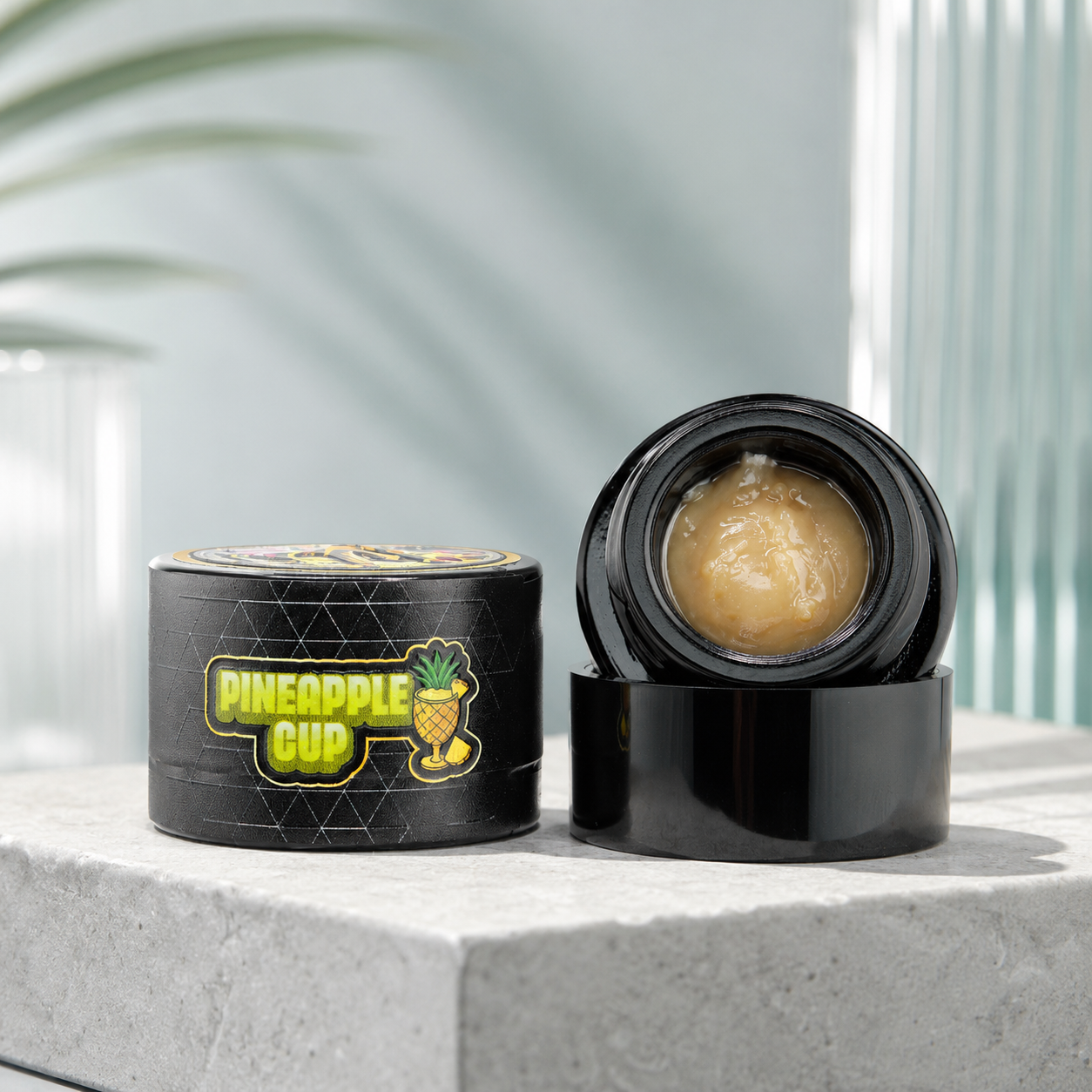
The modern cannabis edible market is defined by a dichotomy in its core ingredients, leading to two distinct product lines: Live Resin Gummies and Regular Gummies. This divergence is not simply a matter of flavoring or packaging, but a fundamental split in extraction philosophy, ultimately determining chemical complexity and consumer experience.
The Crux of the Comparison: Full Spectrum vs. Isolated Cannabinoids
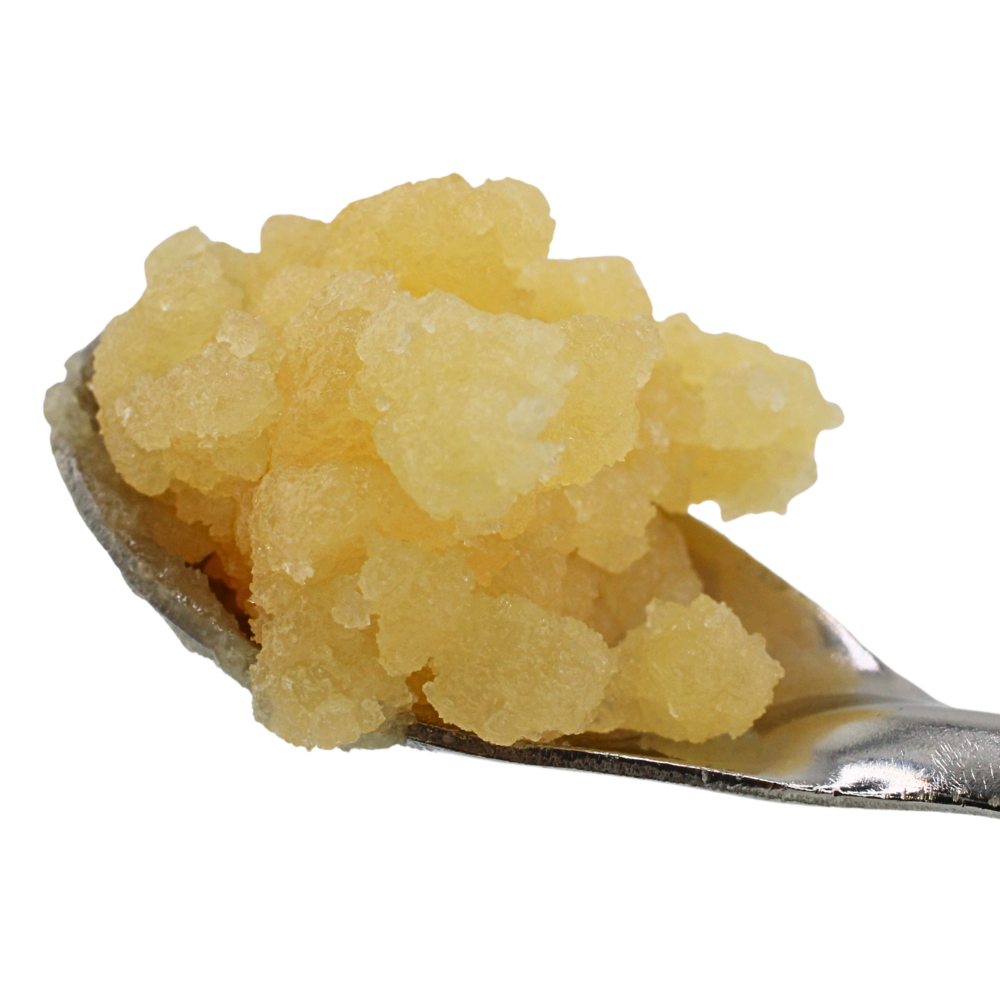
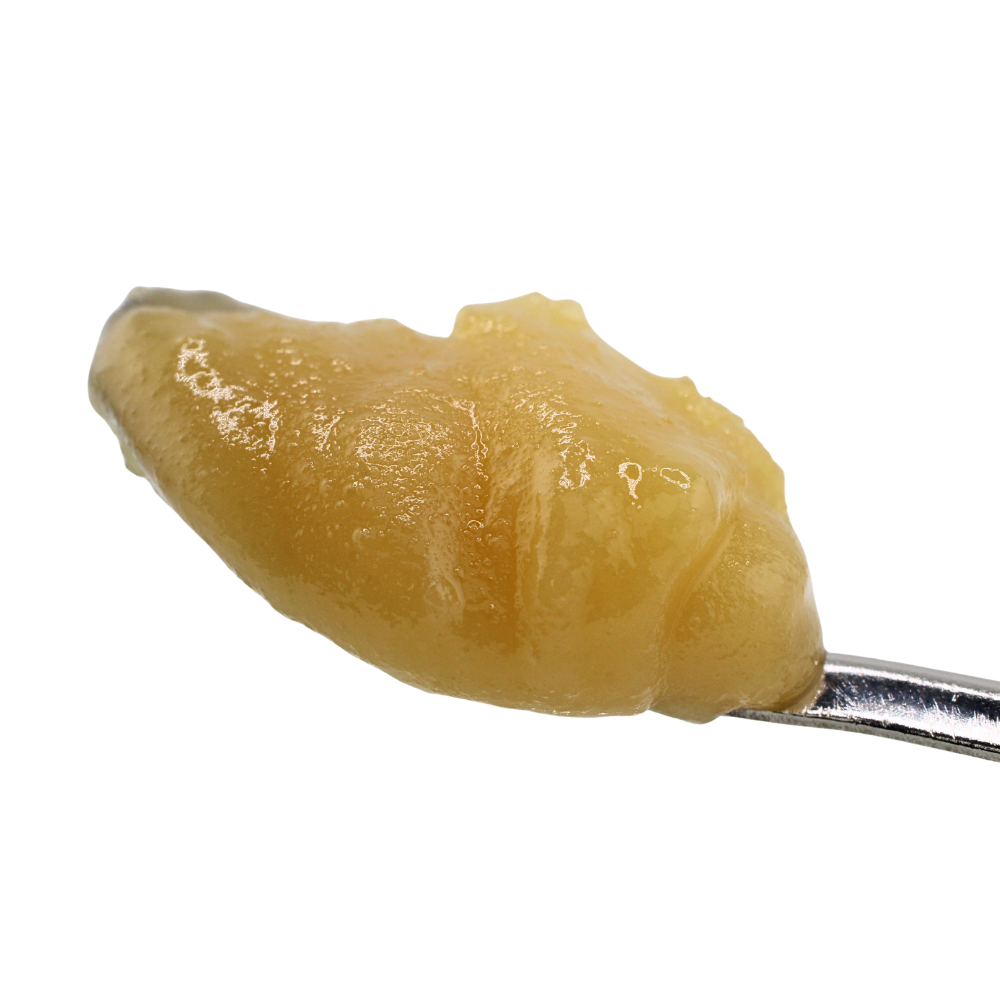
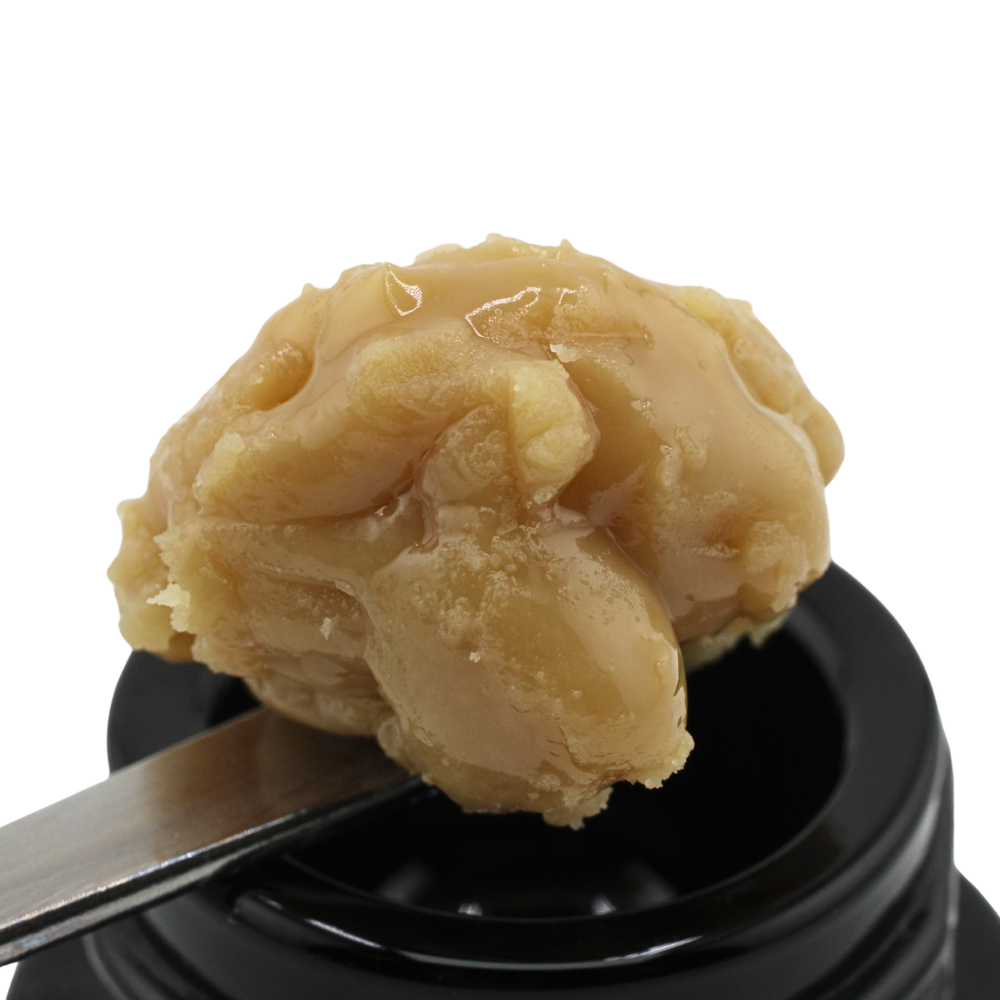
Live resin represents the industry’s push toward maximizing fidelity to the natural source material. The objective is to deliver the “complete cannabis experience as nature intended” by capturing the plant’s entire profile of terpenes, flavonoids, and minor cannabinoids. This holistic approach is rooted in the belief that the combined activity of all compounds is superior to the effect of any single molecule.
Conversely, “Regular Gummies” overwhelmingly rely on highly refined cannabis distillate or crystalline isolate. The production goal here is to maximize the purity and concentration of the primary cannabinoid, typically
-THC. While distillate maximizes potency and ensures accurate dosing, this rigorous refinement process strips away virtually all other beneficial and psychoactive compounds, making it the effective “opposite of full spectrum”.
Initial Insight: The Trade-Off in Edibles
The consumer choice between these two product types fundamentally hinges on prioritization. Live resin targets those who seek the complexity, nuance, and potential therapeutic breadth enabled by synergistic phytocompounds. Standard distillate, however, caters to consumers who prioritize standardization, chemical precision for accurate dosing, and a lower retail cost. This inherent conflict between achieving high-quality full-spectrum preservation and streamlined chemical consistency defines the entire edibles market segmentation.
Phase One: The Extraction and Chemical Divide
The differences between live resin and regular gummy effects are traceable directly back to the sourcing and processing methodologies employed by manufacturers. These operational choices dictate both the chemical makeup of the final product and the associated manufacturing expenses.
The Starting Line: Biomass and Preservation
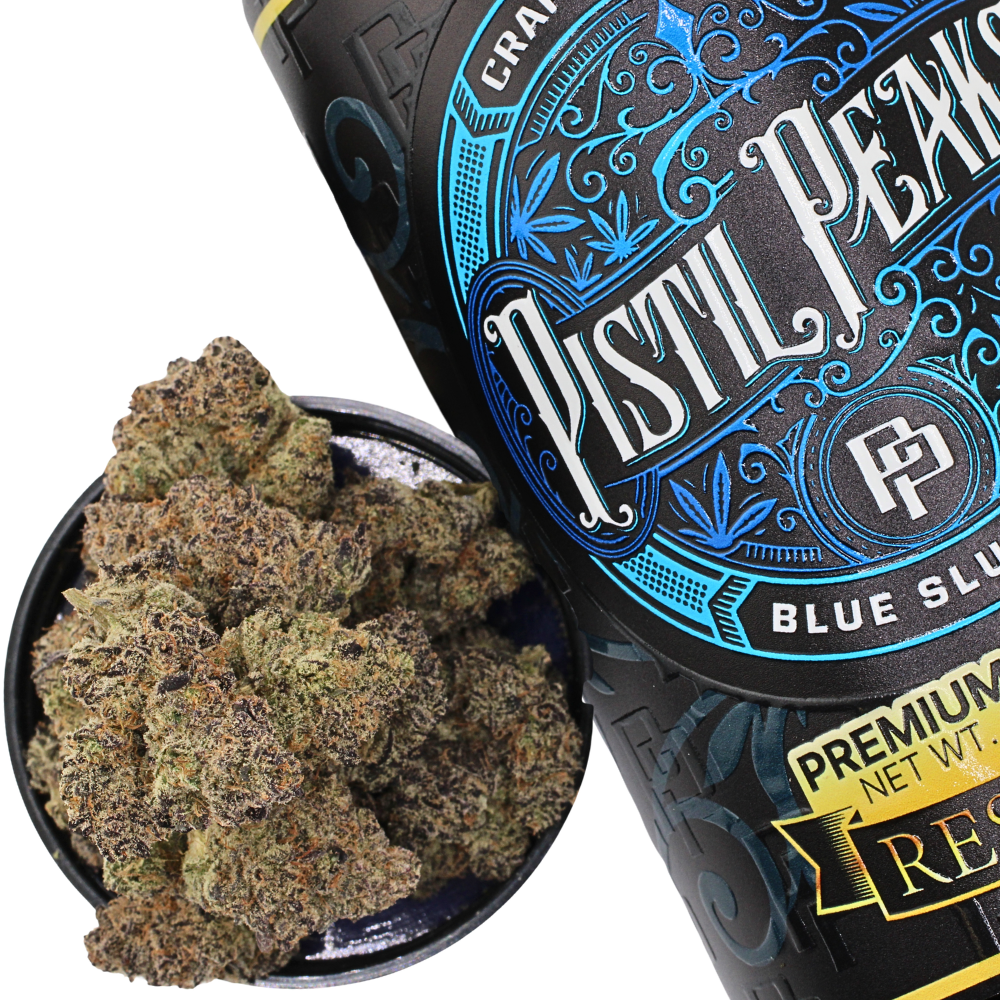
The critical distinction begins immediately after harvest with the preparation of the cannabis biomass. Live resin extraction mandates the use of premium, freshly harvested cannabis flower that is immediately flash-frozen. This cryo-preservation step is necessary because the traditional post-harvest process of drying and curing significantly degrades volatile terpenes and certain minor cannabinoids.
Extraction Methodology: Low-Temperature Craft vs. High-Purity Refinement
The methods used to convert biomass into an edible concentrate are also diametrically opposed.
The production of live resin is a high-cost, specialized procedure. It involves low-temperature solvent extraction, often utilizing hydrocarbon solvents like butane, within sophisticated closed-loop systems. This labor-intensive cold extraction requires specialized equipment and careful handling, primarily because maintaining the low temperature throughout the process is essential to ensure the integrity of the heat-sensitive terpenes. This dedication to cold processing preserves the complex flavor and therapeutic profile, but dramatically increases production costs.
Chemical Profile Analysis: The Spectrum of Phyto-Compounds
The final chemical product reflects the intent of the extraction process. Live resin is fundamentally a true full-spectrum extract. It is rich in preserved terpenes, typically containing 4–12% terpene content, alongside a wide spectrum of minor cannabinoids (such as CBG, CBN, and THCV), flavonoids, thiols, and esters. The focus here is not just on the raw quantity of terpenes, but on the preservation of a diverse and complex profile of these compounds.
Decoding the Full Spectrum Experience: Effects and Potency
For the consumer, the preserved chemical profile translates directly into a radically different psychoactive experience, governed by the theory of synergy known as the Entourage Effect.
The Mechanism of the Entourage Effect: ECS Modulation
The efficacy of live resin is rooted in the Entourage Effect, a phenomenon where all plant compounds interact to enhance and modulate each other’s effects. This synergy involves hundreds of phytocompounds, not merely THC and CBD, but also minor cannabinoids (such as CBG, CBN, THCV, and CBDV), terpenes, and flavonoids.
The Intensity Factor: Subjective vs. Standardized High
One of the most frequently reported differences is the subjective potency. Live resin gummies tend to feel stronger, more potent, and more intense than THC-isolate gummies, even when the measured THC content is numerically identical, such as 10 mg per piece.
This perceived difference in strength is entirely attributable to the Entourage Effect. In regulated markets where edible potency is capped (e.g., 10 mg THC per piece and 100 mg per package in some jurisdictions ), the presence of a broad spectrum of terpenes and minor cannabinoids allows manufacturers to deliver a premium, enhanced high without violating legal cannabinoid concentration limits. The preserved non-cannabinoid compounds act as the true drivers of intensity and complexity.
The Nuance of Strain Specificity
The ability of live resin to deliver a high that is “true to the strain” is perhaps its most compelling experiential advantage. Since the extraction preserves the unique terpene profile of the specific cultivar, be it Sour Space Candy or another hybrid, the psychoactive experience remains consistent with the strain’s characteristic effects. This fidelity allows experienced consumers to select their edibles based on desired outcomes (e.g., energetic, relaxing, focusing), mirroring the way flower users select their strains.
Furthermore, the influence of agroclimatic factors heavily influences the resulting phytocompound profile in the plant. This means that live resin production inherently encounters greater batch-to-batch variability than standardized distillate. Producers must therefore maintain extremely high standards of consistency in their cultivation practices to ensure reliable and repeatable “strain-specific” effects in their premium edible lines.
Sensory Experience: Flavor, Aroma, and Consumer Appeal
For many consumers, the immediate and unmistakable difference between the two gummy types lies in the sensory experience of flavor and aroma.
Flavor Profile: Authentic Cannabis Taste vs. Commercial Flavorings
Live resin gummies offer the genuine, complex taste of their source cannabis strain. The high concentration of natural terpenes provides a depth of flavor that allows consumers to perceive distinct earthy, citrus, or pine notes inherent to the cultivar. This is the authentic taste of cannabis often sought by consumers accustomed to smoking or vaping flowers.
Aromatic Complexity and Olfactory Experience
The robust chemical profile of live resin imparts a stronger aromatic character. Live resin products are typically more aromatic and carry the characteristic scent of “weed or weed flower” due to the presence of volatile cannabis terpenes. This olfactory component contributes significantly to the overall consumption experience. Distillate products, by design, lack these volatile terpenes, relying entirely on the added flavorings for their minimal aroma, which makes them highly discreet.
Shelf Stability and Storage Requirements
The presence or absence of terpenes dictates the product’s resilience to environmental factors.
Distillate is chemically inert and highly stable over time because it has minimal terpene content. Distillate-based gummies therefore boast a long commercial shelf life, typically ranging from 6 months to 2 years when stored properly. Live resin, however, presents significant operational challenges related to stability. Terpenes are highly volatile compounds that are susceptible to degradation from exposure to light, heat, and moisture. Consequently, live resin gummies require stringent storage in cool, dark, and airtight environments to prevent the degradation of the defining terpene profile. When stored optimally, the typical shelf life may be shorter, often cited as 1–2 months, although freezing can extend usability.
Conclusion and Comparative Summary
The comparison between Live Resin Gummies and Regular (Distillate) Gummies demonstrates a fundamental difference in product philosophy rather than a simple difference in quality. Live resin maximizes the plant’s natural complexity and experiential fidelity, while regular gummies maximize consumer consistency and manufacturing efficiency.