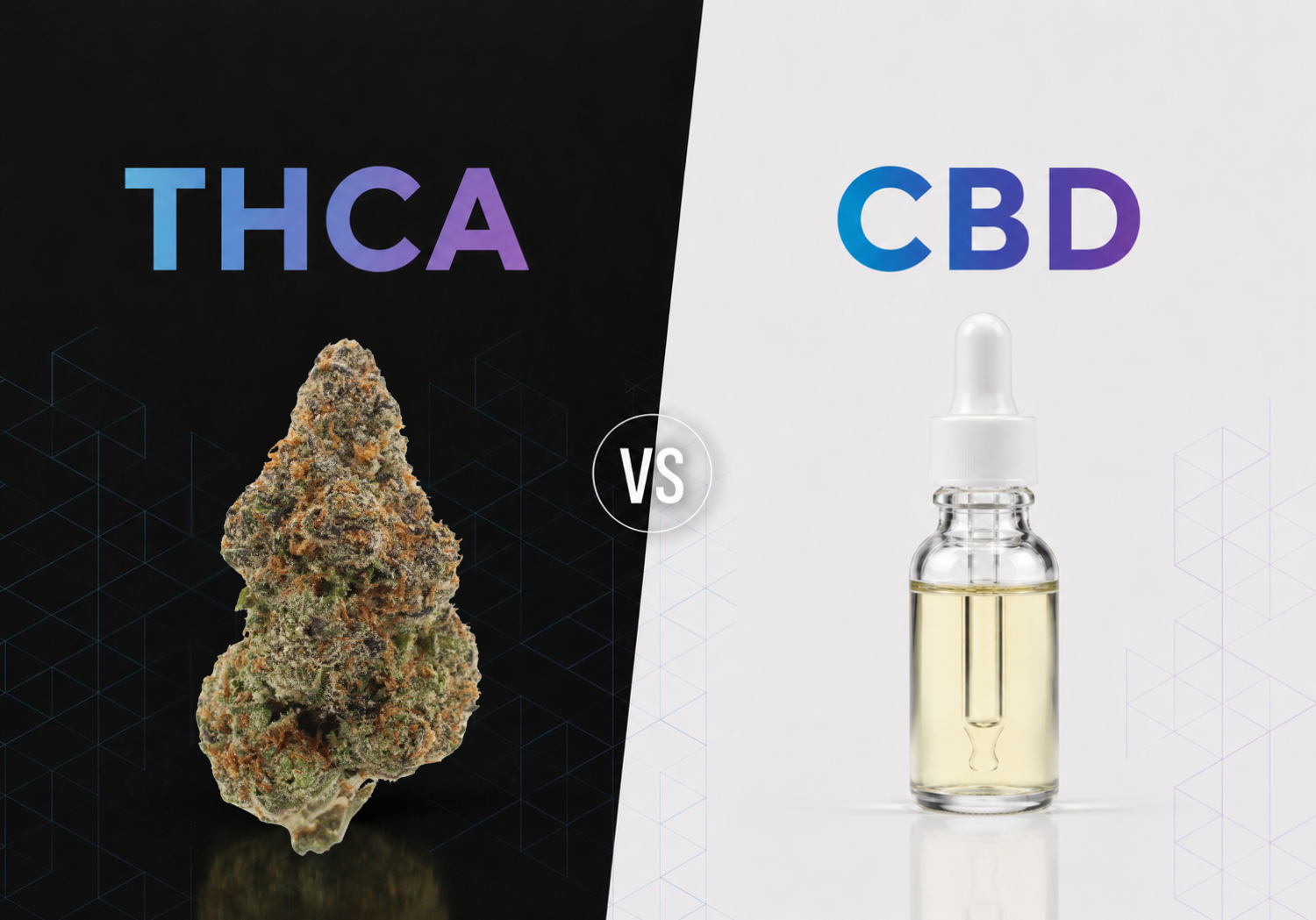
If you’ve been exploring the world of hemp products, you’ve probably come across both THCA and CBD. They sound similar, they come from the same plant, and they’re both legal under the Agriculture Improvement Act of 2018 (also known as the United States Farm Bill).
But they work very differently in your body, and choosing the wrong one can mean missing out on the experience you’re actually looking for.
Let’s break it all down in plain terms.
What Is THCA?
THCA stands for Tetrahydrocannabinolic acid. It’s the raw, acidic precursor to THC (Tetrahydrocannabinol) found naturally in the cannabis sativa plant. In its unheated form, THCA contains a carboxylic acid group attached to its chemical structure, which prevents it from binding to Cannabinoid receptor 1 (CB1) in the brain the way THC does.
That means raw THCA is non-intoxicating. But when it’s exposed to heat – through smoking, vaping, or cooking – a process called decarboxylation kicks in. The acid group is removed, and THCA converts into THC, the psychoactive drug responsible for the classic cannabis euphoria.
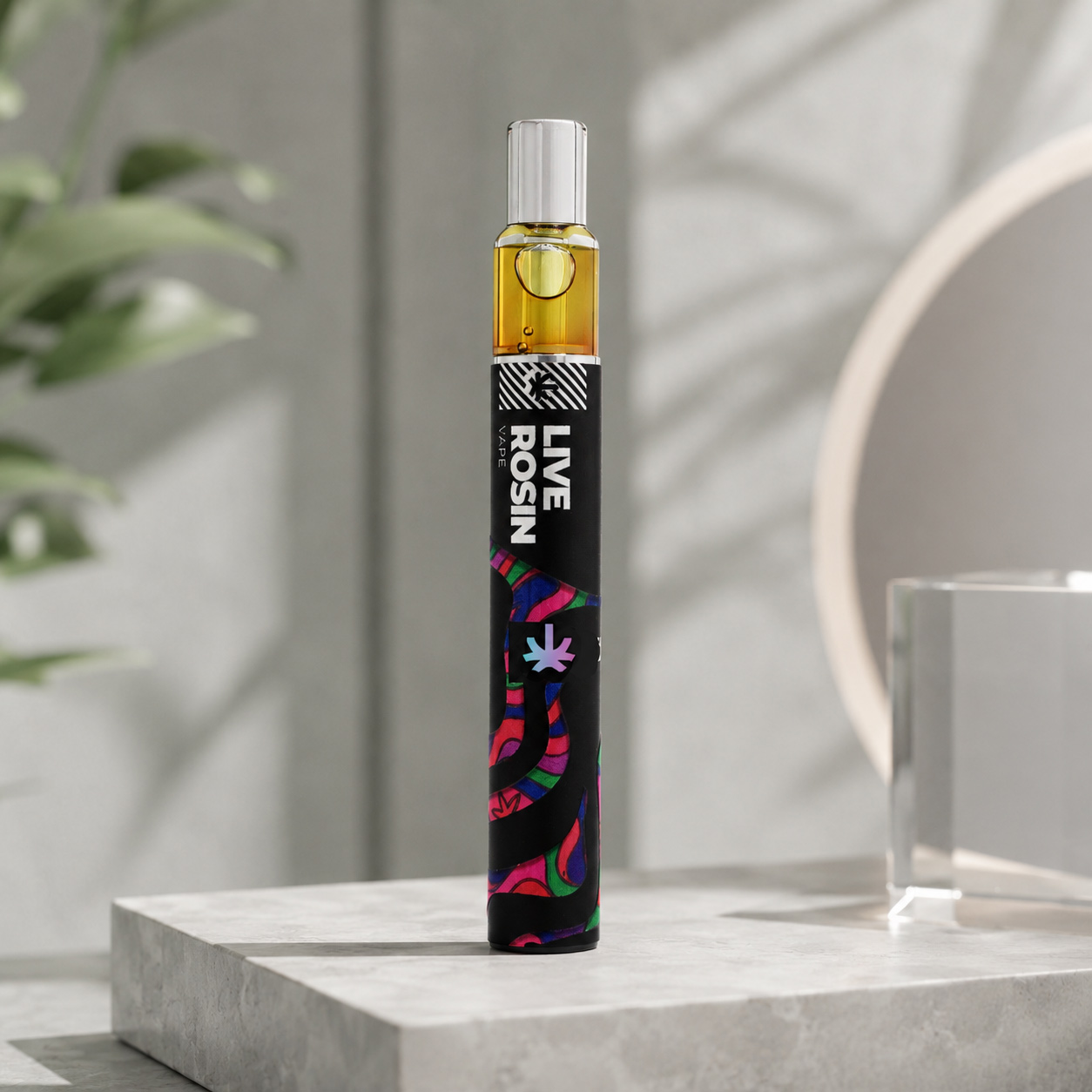
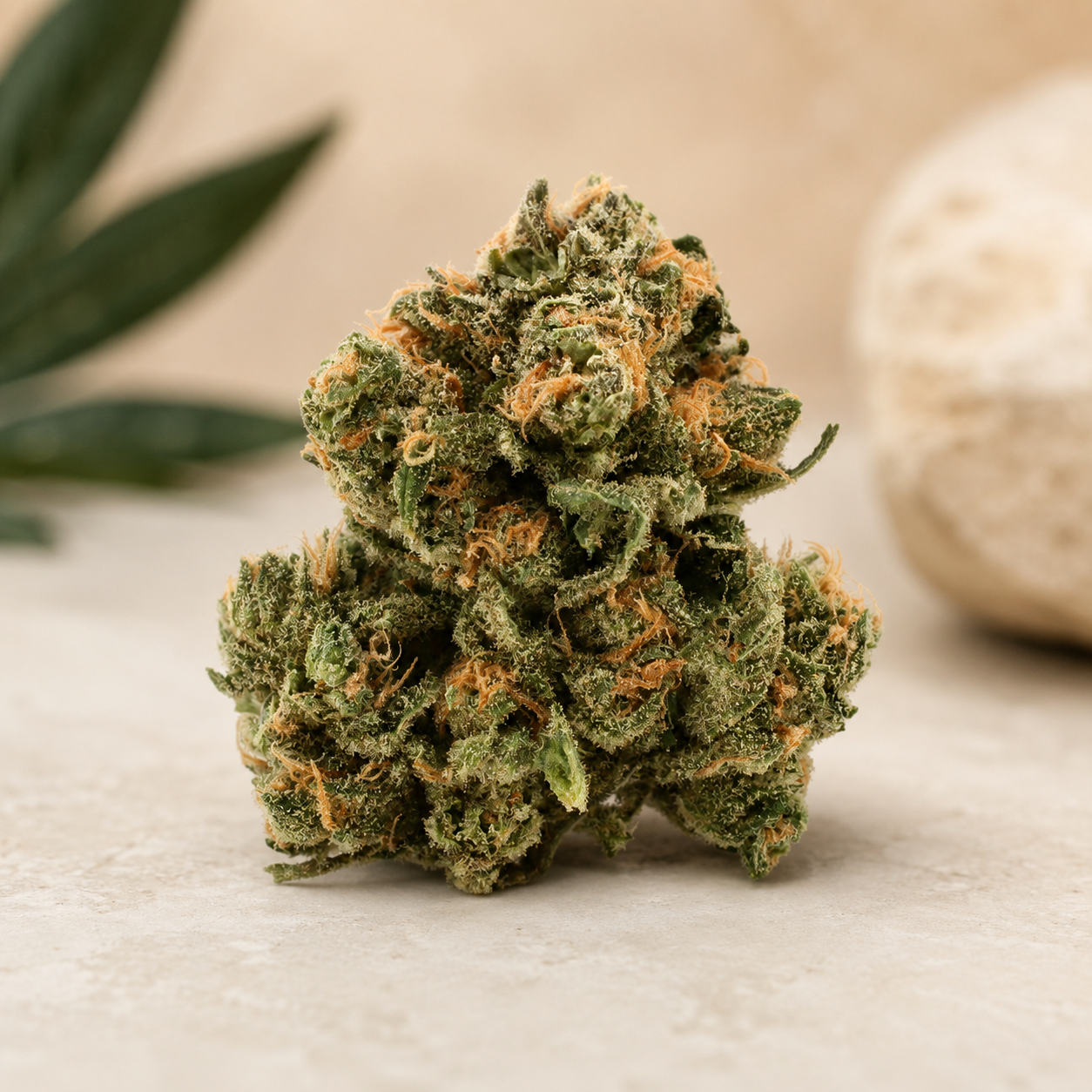
This is why THCa flower and THCA vapes are so popular. You get the legal, hemp-derived product, but once you apply heat, the effects shift dramatically.
What Is CBD?
CBD stands for Cannabidiol. It’s another cannabinoid found in the cannabis plant, but its relationship with your endocannabinoid system is fundamentally different from THCA or THC.
CBD doesn’t bind strongly to CB1 or Cannabinoid receptor 2 (CB2) in the traditional sense.
Instead, it influences a wide range of receptor activity – including serotonin pathways and other neurotransmitter systems – which is why it’s often associated with relaxation, anxiolytic effects, and mood support without any intoxication.
CBD flower and CBD products are widely used by people who want the benefits of cannabis without altered cognition or euphoria.
THCA vs CBD: How They Work in the Body
Both THCA and CBD interact with the endocannabinoid system, but they take very different routes.
THCA, in its raw form, doesn’t activate CB1 receptors the way THC does. Research suggests it may still interact with other receptors and enzymes in ways that produce anti-inflammatory and neuroprotection effects. However, the moment it’s decarboxylated, it becomes THC – and that changes the entire picture, including potential effects on the brain, appetite, and psychoactive drug classification.
CBD, on the other hand, is consistently non-intoxicating. It works more subtly by modulating receptor activity, supporting serotonin function, and influencing how the body responds to pain, inflammation, and anxiety. It does not convert into THC under normal conditions.
Benefits of THCA
Because THCA is the precursor to THC, much of its research overlaps with medical cannabis science. Early studies and anecdotal evidence suggest THCA may support:
- Anti-inflammatory responses, which could be relevant for conditions like arthritis and inflammatory bowel disease
- Neuroprotection, with some research pointing toward benefits for neurodegenerative disease and conditions like Parkinson’s disease
- Reduction in nausea and vomiting, including chemotherapy-induced nausea and vomiting
- Appetite support, which matters greatly for patients undergoing chemotherapy or dealing with chronic disease
When decarboxylated into THC, these effects can intensify, and users often report deep relaxation, euphoria, and relief from chronic pain.
Benefits of CBD
CBD has a much longer track record in regulated health care and research settings. The Food and Drug Administration has even approved a CBD-based drug for epilepsy in children, specifically for Dravet syndrome – a milestone that speaks to its credibility as a substance with real therapeutic potential.
Beyond that, CBD is widely used for:
- Anxiety and mood regulation, often described as a natural anxiolytic
- Pain and inflammation management, acting as a gentle analgesic
- Sleep support without psychoactive side effects
- General wellness through its interaction with the endocannabinoid system
CBD also pairs well with other cannabinoids and terpenes. This is what researchers call the entourage effect – the idea that cannabinoids like Cannabigerol (CBG), terpenes, and CBD work better together than in isolation.
THCA vs CBD: Which One Is Right for You?
The honest answer is that it depends on what you’re looking for.
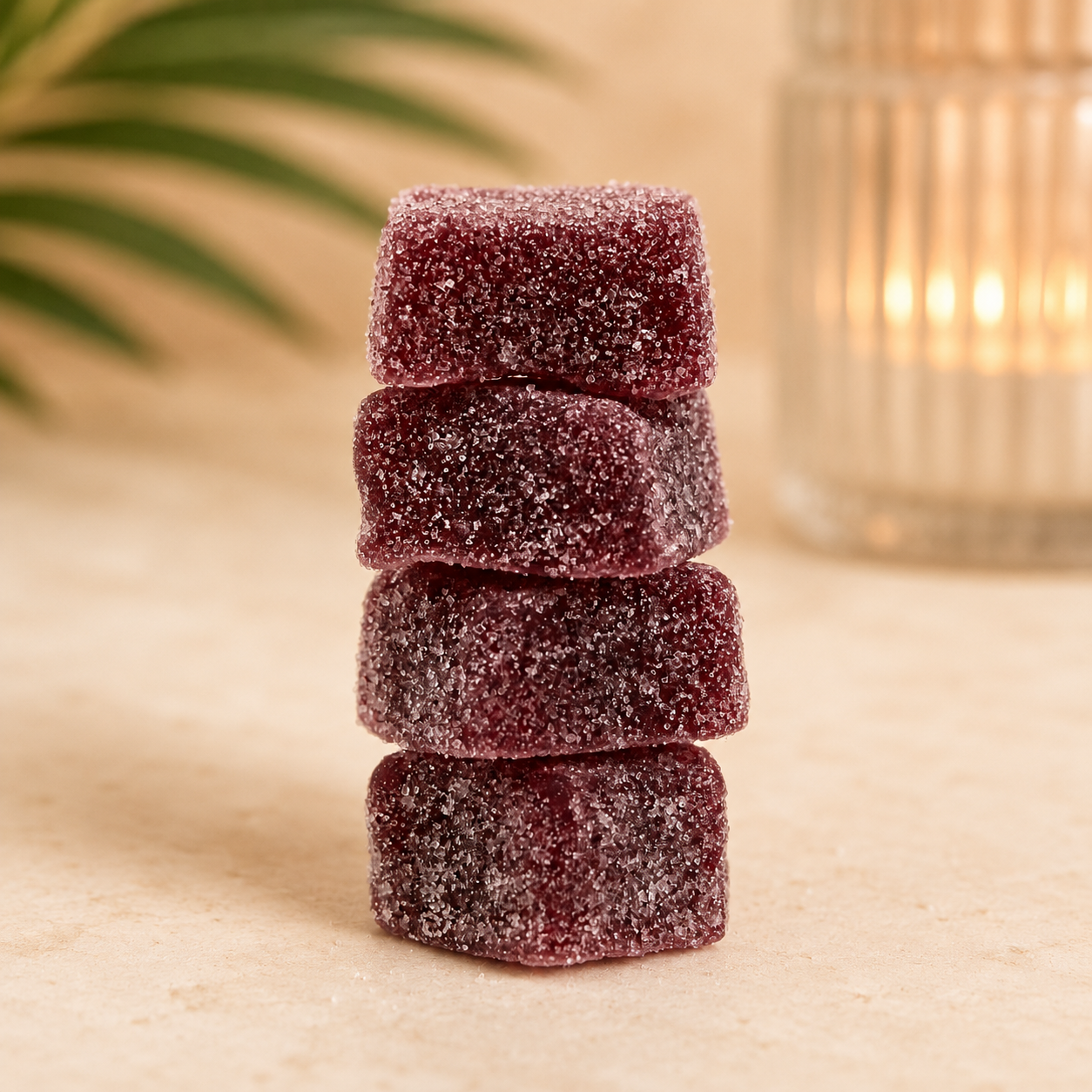
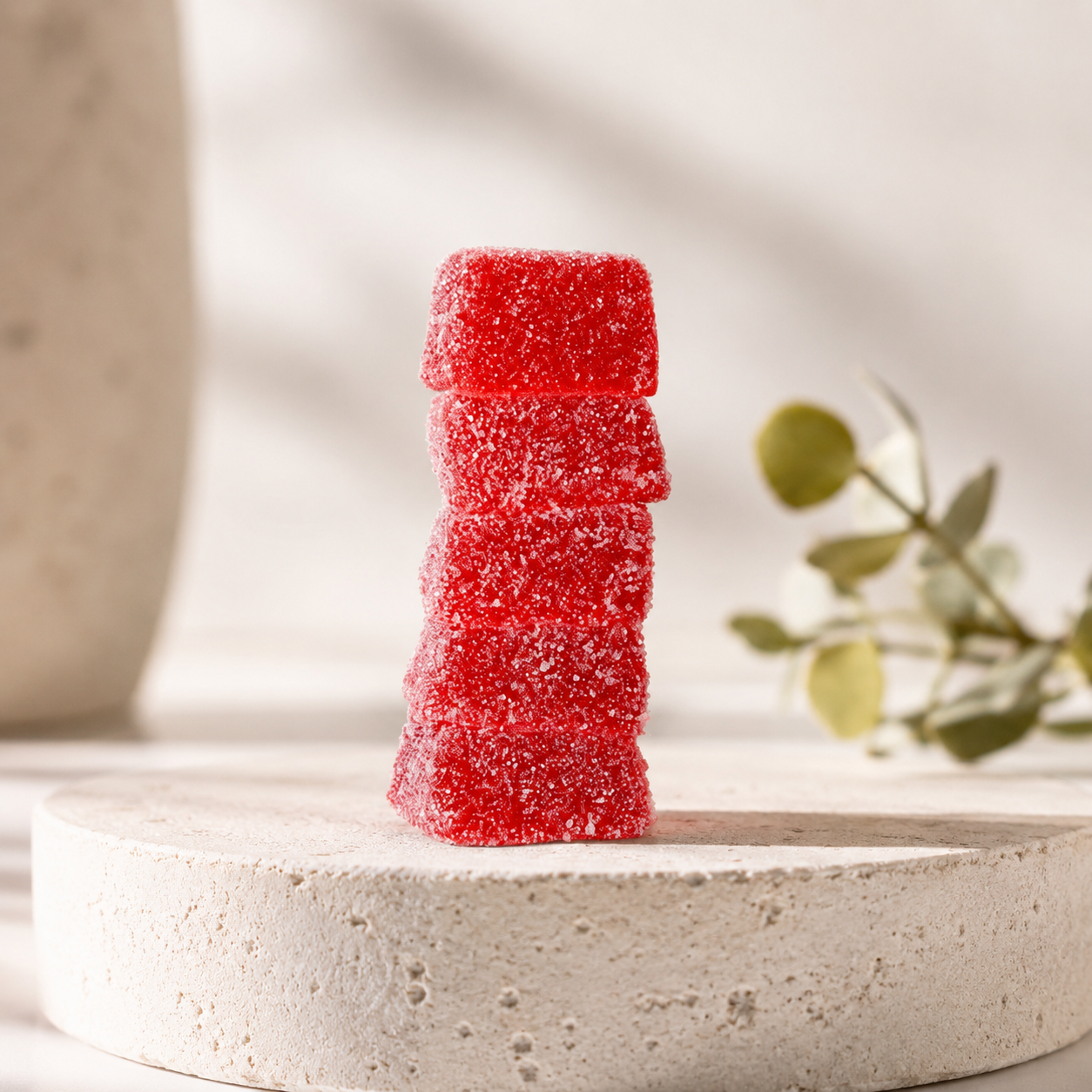
If you want something non-intoxicating for everyday wellness – managing anxiety, supporting sleep, or reducing inflammation without any head change – CBD is likely your best starting point. CBD flower and gummies are great entry points for new users.
If you’re curious about the full effects of cannabis – including euphoria, deep relaxation, and stronger relief from chronic pain or nausea – then THCa flower or THCA vapes are worth exploring. Just understand that once you apply heat, you’re working with THC and its associated psychoactive effects.
It’s also worth thinking about drug tests. THCA that has been decarboxylated converts to THC, which can show up on a drug test. CBD alone is far less likely to cause a positive result, though no hemp product is entirely risk-free in that regard.
A Note on Legal Status
All products at Crysp contain less than 0.3% hemp-derived Delta-9 THC, keeping them fully compliant with the United States Farm Bill. That said, individual state laws vary, so always check what’s permitted where you are before purchasing.
THCA vs CBD: Which One Should You Choose?
THCA and CBD are both remarkable chemical compounds from the same plant, but they serve very different purposes. THCA brings the raw power of cannabis – especially when heated – while CBD offers a calmer, consistently non-intoxicating path to wellness.
At Crysp, we carry both because we believe you deserve options that actually match your needs. Whether you start with a CBD flower or dive into high THCA content vapes, the right choice is the one that fits your lifestyle. Explore the Crysp shop and find your match.