Chemical Structure
THCa has an extra carboxyl (COOH) group that THC lacks. This small structural difference (shown below) makes THCa more polar. In practice it means THCa won’t fit well into the brain’s CB1 receptors – unlike THC, which lacks the COOH tail and binds readily.
Psychoactive Effect
THC is psychoactive; THCa is not unless heated. As one review explains, THCa “does not elicit psychoactive effects”, whereas THC does. Only when THCa loses its COOH group by heat (decarboxylation) does it become THC. In other words, eating raw cannabis (rich in THCa) won’t get you high – you must apply heat (smoking/vaping/baking) to activate THC.
Receptor Binding & Potency
THC binds very strongly to CB1 and CB2 receptors in the brain and body, which is why even small doses produce pronounced effects. THCa, by contrast, has extremely weak affinity for these receptors. In a lab study, THCa’s binding at CB1 was >60× weaker than THC’s. Overall THCa has “little affinity or efficacy” at CB1/CB2. In practical terms this means THCa is effectively non-intoxicating at normal doses: you’d need vastly larger amounts (often >100×) to approach any mild effect, and even then it’s nowhere near as potent as THC.
How “Strong”
Because of the above, THC is far more “potent” for causing a high. For example, THC’s effective dose (in mg) is tens to hundreds of times lower than THCa’s. In fact, the only way THCa shows THC-like strength is if you heat it first. Otherwise THCa’s effect is more like that of CBD or other non-intoxicating cannabinoids.
Natural Role
The plant primarily stores THCa (not THC) in its fresh flowers and leaves. THCa is eventually converted to THC over time or with heat. In fact, THCa can make up ~90% of the “THC content” in a fresh plant. This is thought to be a defensive mechanism for the plant – THCa even induces cell-death in plant and insect cells – but for consumers it means almost all THC in raw cannabis is actually THCa until activated.
Chemical Structure and Activation
THCa and THC differ by just one chemical group, but this makes all the difference in their effects. THCa’s extra –COOH group (a carboxylic acid) is easily removed by heat. In the figure above, notice the –COOH on THCa (center) versus its absence on THC (left). When you smoke, vaporize, or cook cannabis, that heat strips off the COOH and converts THCa into THC. In cold, unheated forms (e.g. juicing raw plant), THCa stays intact and has none of the psychoactivity. According to researchers, heat-induced decarboxylation is “crucial for activating [THC’s] psychoactive properties”. In short, THCa is like a “sleeping” form of THC that requires cooking to wake up.
Psychoactivity and Receptor Affinity
THC’s high effects come from its tight binding to brain cannabinoid receptors (especially CB1). THCa, with its acidic tail, barely binds these receptors at all. One cannabis study found THC’s affinity was 62-fold greater at CB1 (and 125-fold at CB2) than THCa’s. In efficacy tests, THCa showed only a weak agonist action at best and none at CB2. The authors concluded THCa “has little affinity or efficacy at CB1 or CB2”. This molecular fact explains why THCa alone doesn’t get you high. Even in living studies, animals given THCa showed virtually no cannabis-like effects.
Because THCa doesn’t penetrate the brain well (it’s more polar and even carries that extra acid), it stays largely peripherally active. One summary notes THCa’s advantage: it lacks narcotic activity due to decreased central nervous system penetration from the carboxyl group. In practice, you would have to consume an enormous THCa dose to even feel what a few milligrams of THC would do.
Potency and Effects Comparison
In practical terms, THC is hundreds of times more potent in producing intoxication. For example, an adult might feel effects from 5–10 mg of THC (a couple of puffs of a joint), whereas raw THCa from the same amount of cannabis would have virtually no effect at all. The only way to compare is by converting THCa to THC via heat. Conversely, THCa can be very potent in concentration form (like THCa “diamonds”), but even then it’s not giving a stronger high – it just contains more total THC once dabbed or vaped.
Instead of a “strength” contest, think of THCa’s appeal differently: users often take THCa when they want therapeutic benefits without intoxication. In other words, THCa can provide a gentler, more precise effect profile. Some veteran consumers microdose THCa or use it in contexts (like daytime wellness) where they don’t want to be impaired. But because any heating will turn THCa into THC, most THCa products (vapes, dabs) will deliver a little bit of THC – so experienced users often dose carefully.
Potential Therapeutic Benefits
Both THC and THCa interact with our endocannabinoid system, but their benefits have different emphases:
THC Benefits
Δ⁹-THC is well-studied. Clinically, THC (and synthetic analogs like dronabinol) are used for pain relief, reducing nausea/vomiting, and stimulating appetite. For example, authoritative reviews note that “oral cannabinoids are effective antiemetics” for chemo-induced nausea, and cannabis users report significant reductions in chronic pain. THC’s effects can also include muscle relaxation and improved sleep. (Of course, all these come with the mind-altering high and legal restrictions in many areas.)
THCa Benefits
THCa is less studied but shows intriguing potential. Importantly, THCa does not carry the intoxication, so its use is mainly for wellness. Research (mostly lab and animal studies) suggests THCa has anti-inflammatory, neuroprotective, and even anti-cancer properties. For instance, THCa has been shown to inhibit inflammatory mediators: in activated immune cells, THCa-A reduced the release of TNF-α and lowered COX‑1/COX‑2 enzyme expression (which would otherwise generate pain-linked prostaglandins). In simple terms, THCa may help dial down inflammation in the body. One study even gave THCa to mice with Alzheimer’s-like pathology and found it lowered disease markers (β-amyloid and tau proteins) and improved memory. THCa is also reported to be antiemetic (helping with nausea without causing a high) and has antioxidant activity.
In summary, THC’s primary benefits revolve around acute symptom relief (pain, nausea, appetite), whereas THCa’s benefits are being explored in areas like inflammation, neurodegeneration and general homeostasis – all without intoxication. Both cannabinoids may contribute to the “entourage effect” when used together, but THCa on its own is appealing for those who want medicinal benefits while staying clear-headed.
Using THCa: Consumption and Precautions
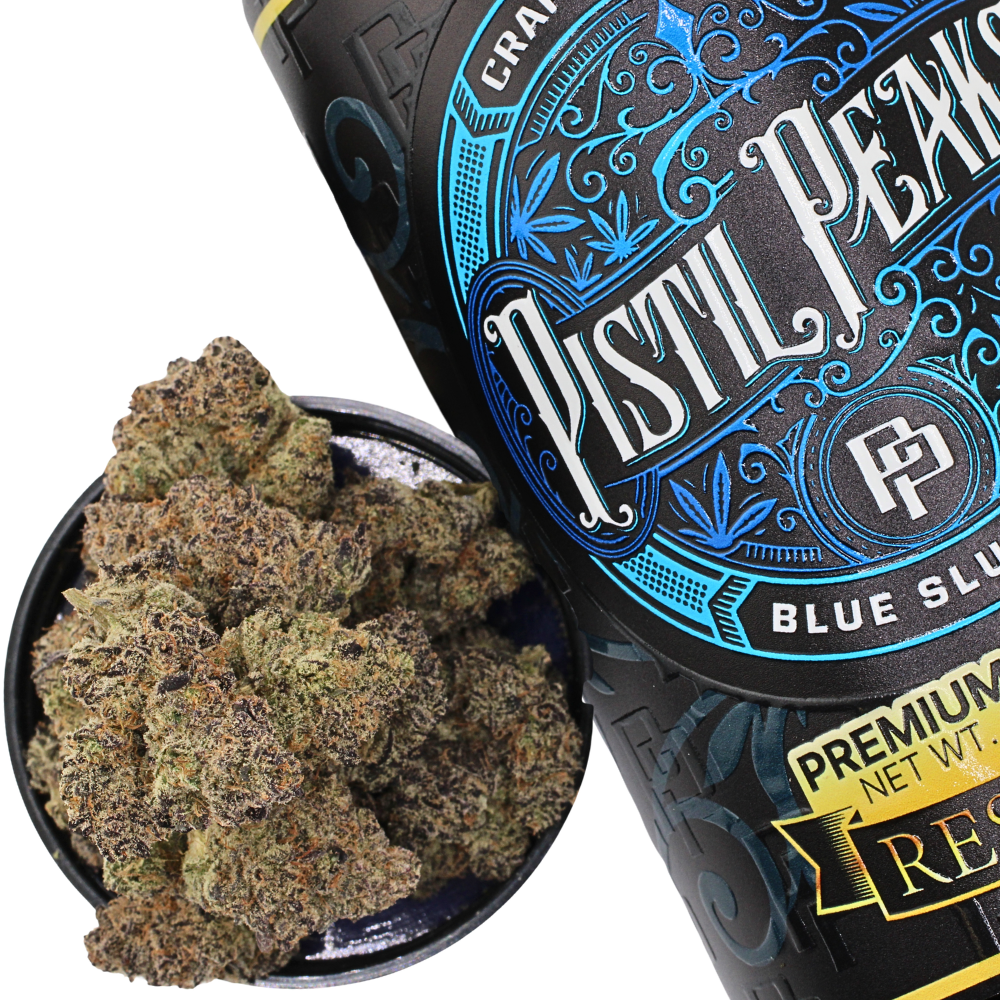
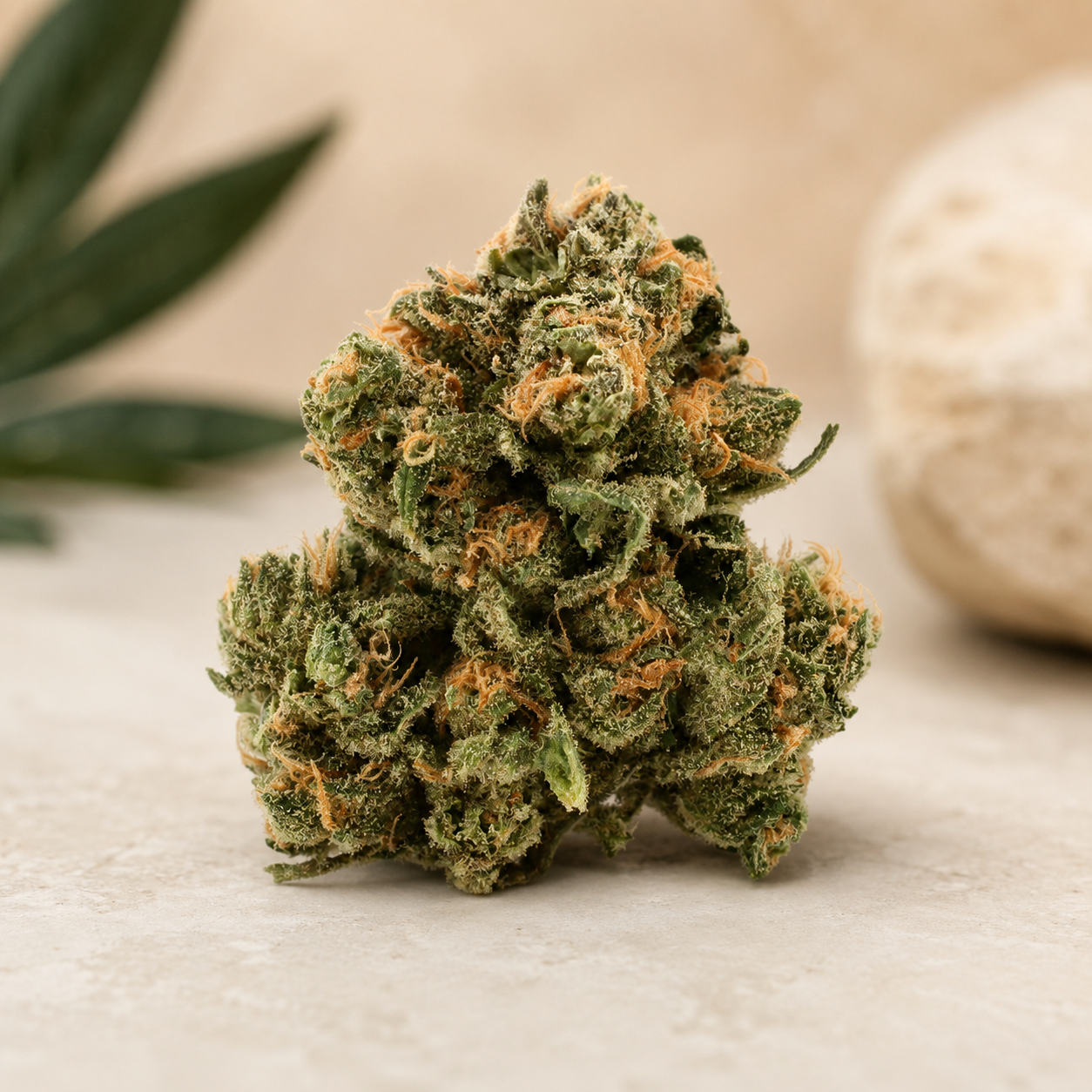
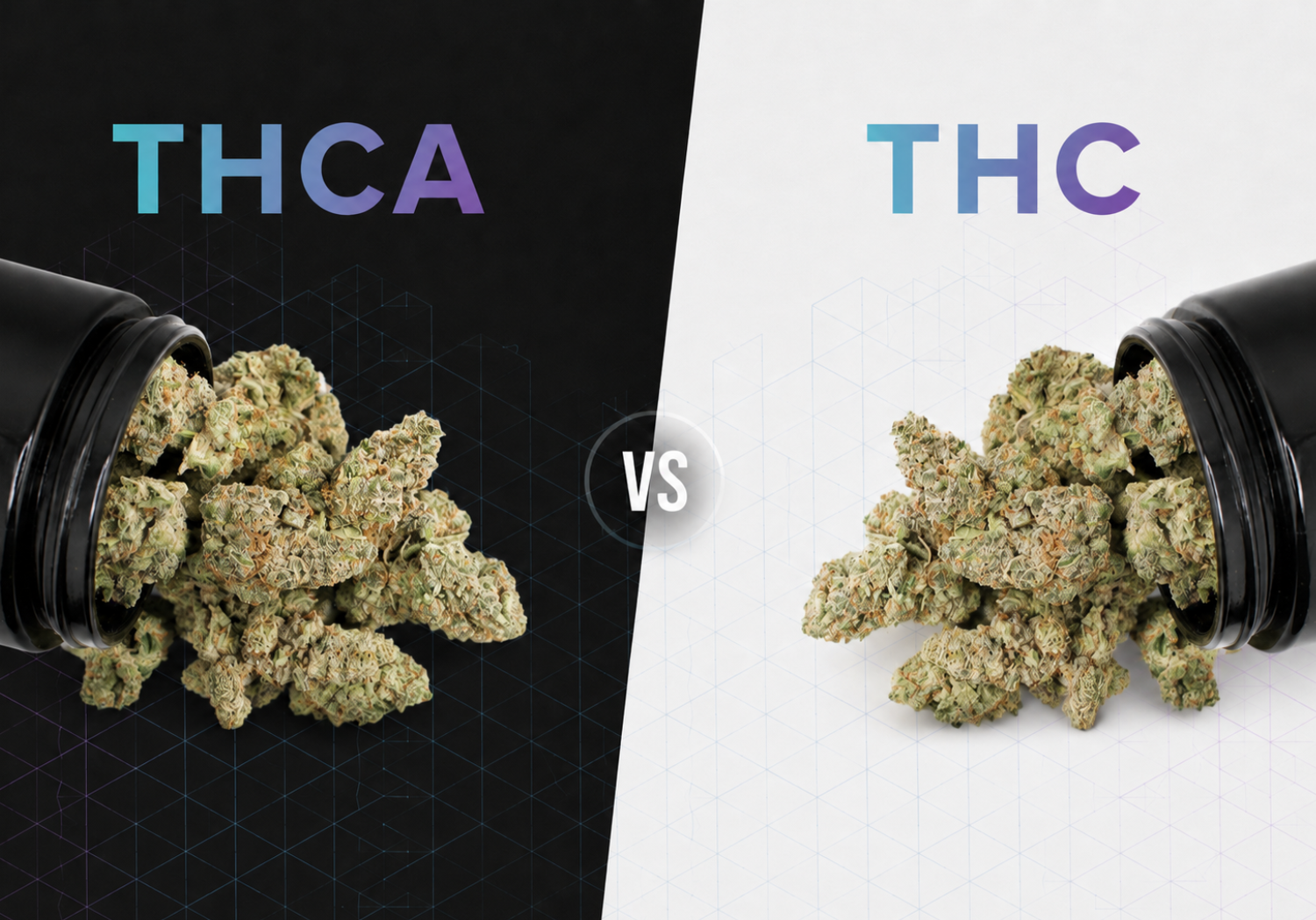
To get THCa’s non-intoxicating benefits, you must avoid heat. Fresh cannabis buds (full of THCa) can be consumed raw (e.g. juiced, blended into smoothies, or cold-extracted) to keep the acid group intact. Topicals or tinctures can also deliver THCa without conversion. Figure: Fresh cannabis flower – THCa is abundant in raw buds. To reap THCa’s benefits without a high, consume cannabis in unheated forms (juicing or cold-infused oils).
If you heat THCa (e.g. smoking or vaping bud, or cooking it), much of it will become THC. For example, boiling raw cannabis in water (like a tea) will still partially convert THCa into THC if done too long. Hence, to stay sober, stick to non-heated methods. Some people microdose THCa (1–5 mg at a time) and report mild body effects without the euphoria. But be cautious: product purity matters. Unregulated THCa products might contain residual THC (from decarb during processing), so start low. Always check certificates of analysis or lab results.
Important: THCa products can still carry legal restrictions similar to THC. In the US, for example, hemp-derived products are only legal if Δ⁹-THC ≤ 0.3%. High-potency THCa concentrates may convert to more THC, so some states restrict their sale. Be sure you understand local laws before purchasing.
Crysp THCa Products (Quality You Can Trust)
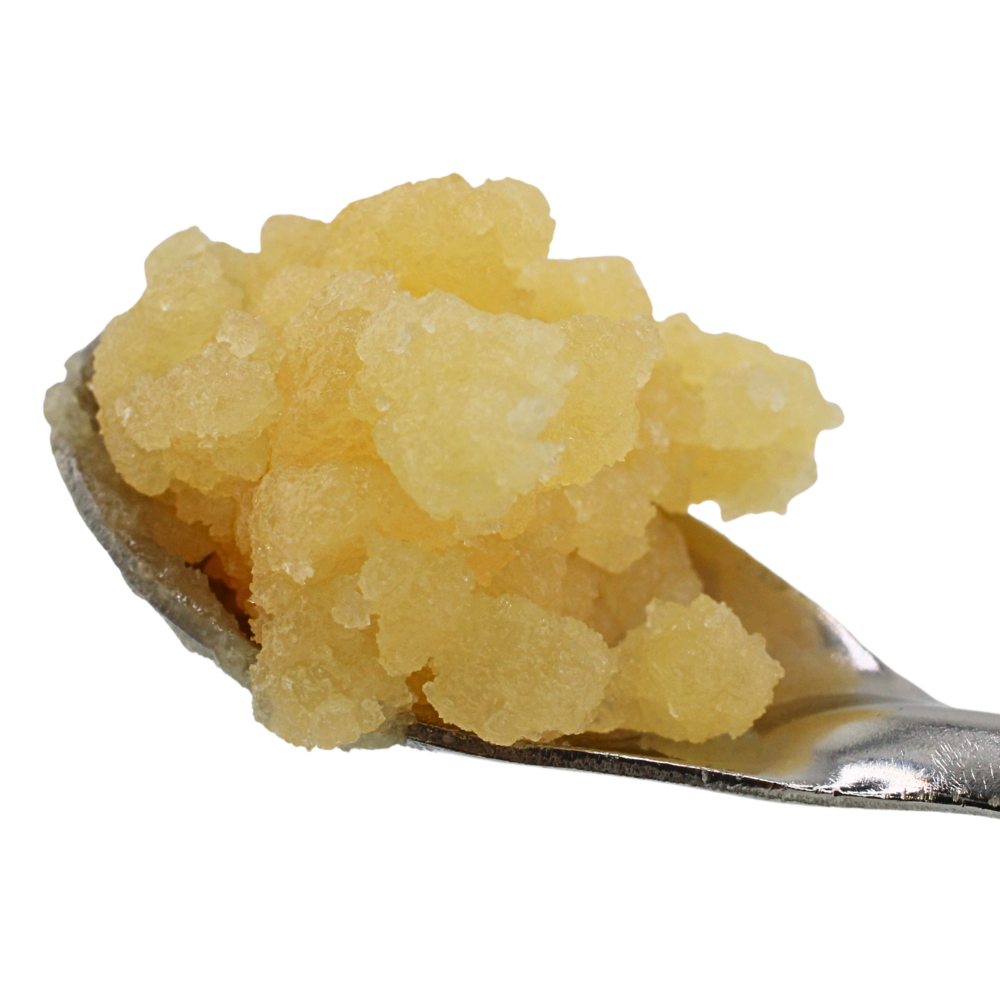
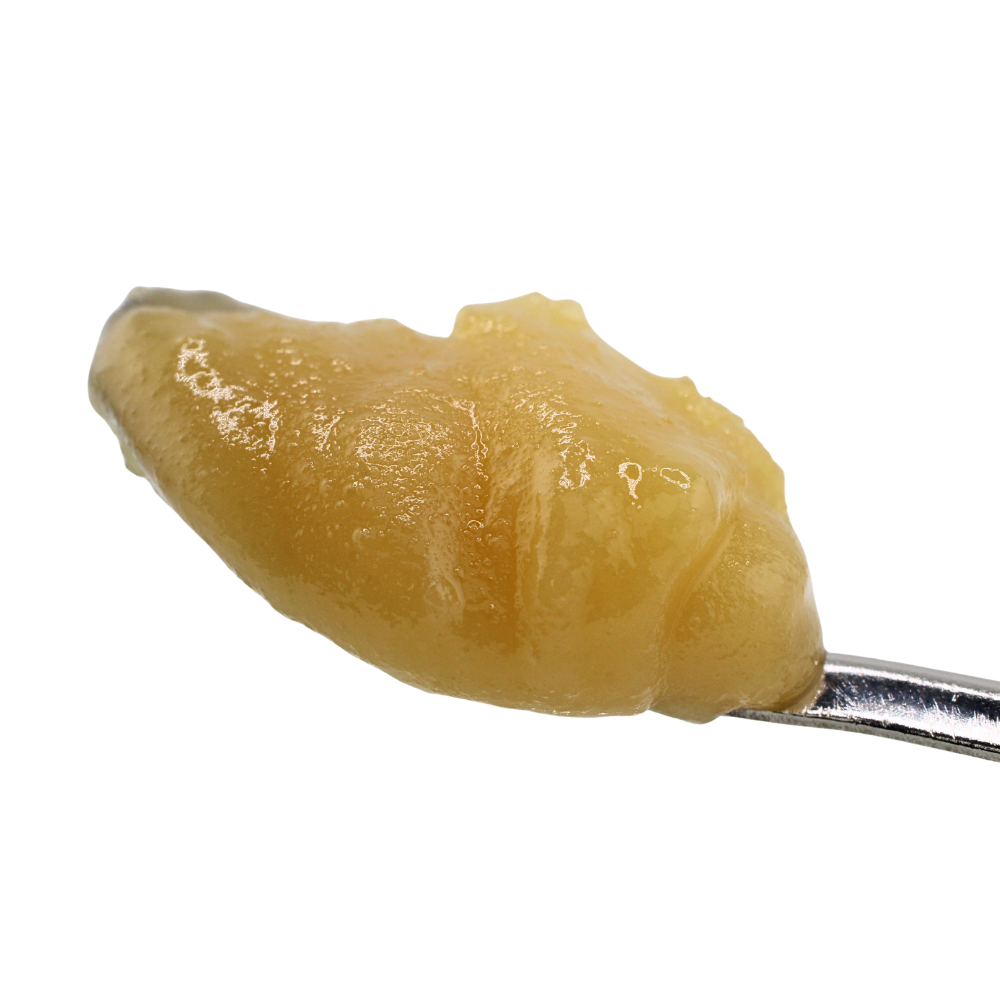
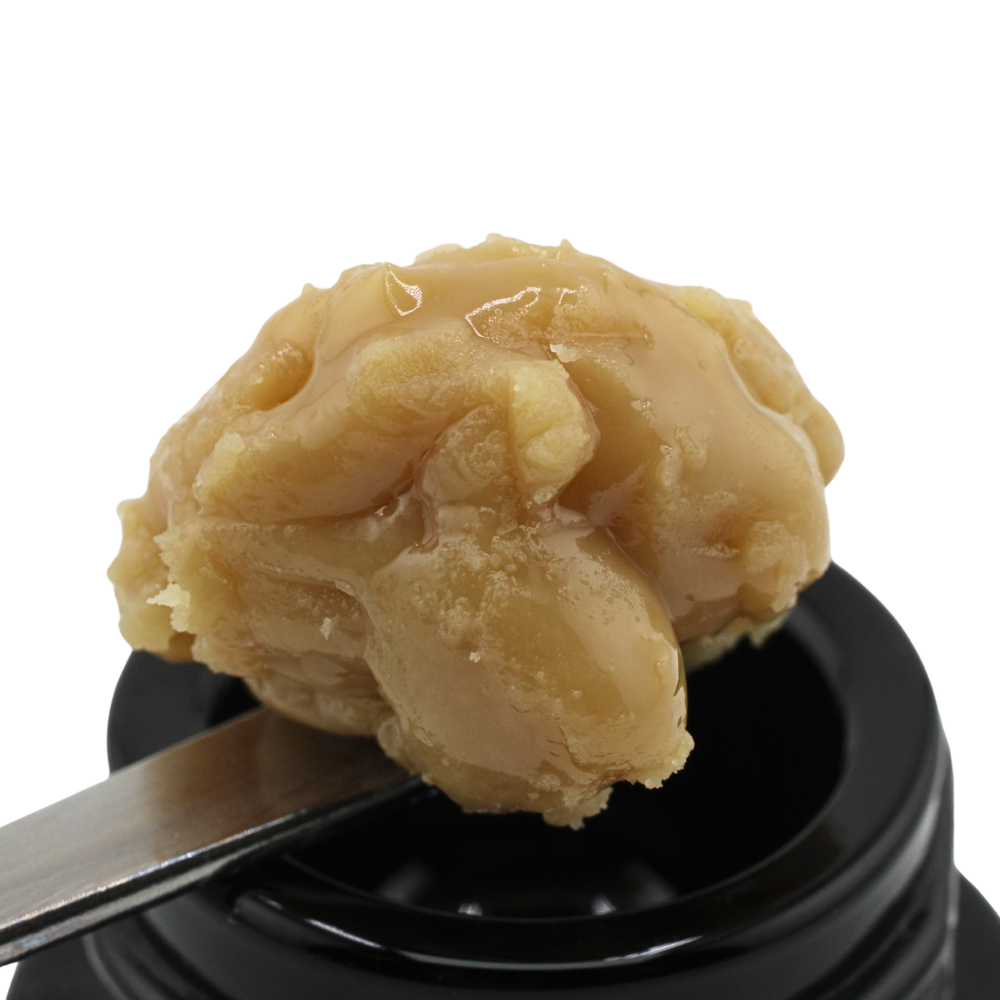
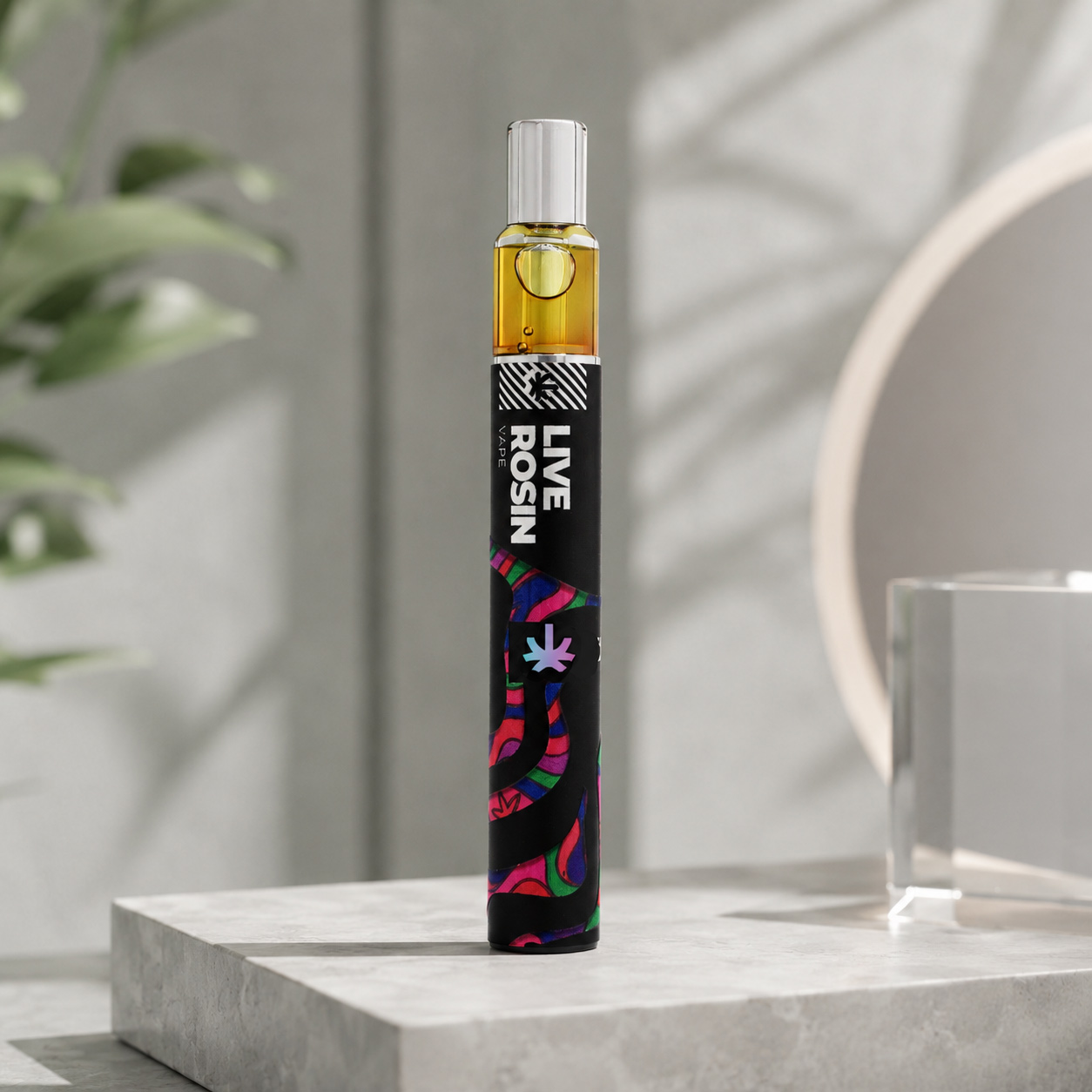
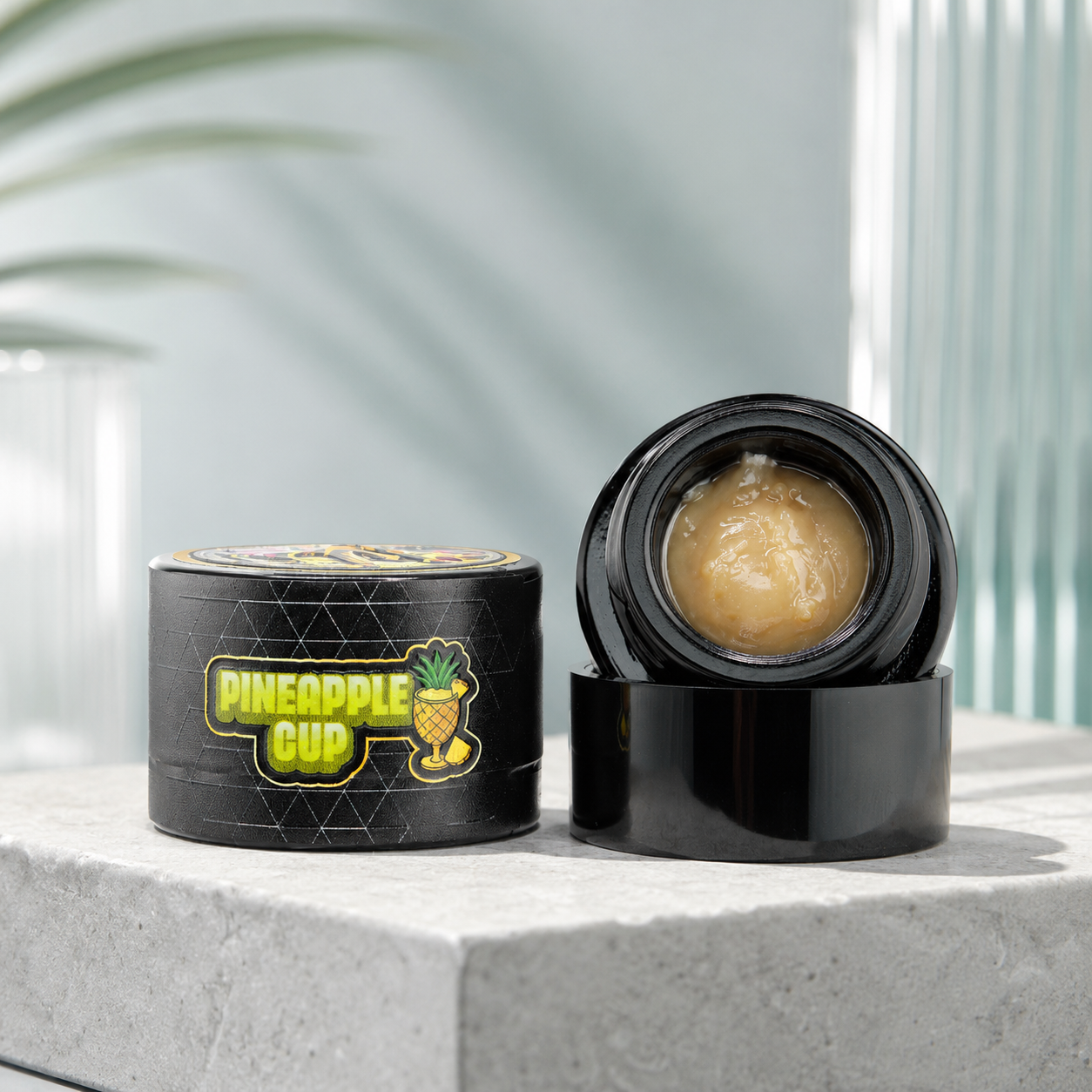
If you’re interested in trying THCa, look for trusted suppliers. For example, Crysp’s online store specializes in high-quality THCa products. They offer rosin, cold-cured extracts, THCa flower and pre-rolls, live resin, gummies, and more all focused on preserving THCa. (See their “Shop All” page for details of their THCa lineup.) These products let experienced users incorporate THCa in different ways – from smoking THCa-rich flower to vaping pure THCa carts – while maintaining clarity and consistency.
Explore Crysp’s THCa collection
Crysp’s selection includes premium THCa concentrates, flower, and edibles (among others). If you want to experiment with THCa in your routine, check out their offerings at Crysp (all lab-tested and curated for quality).