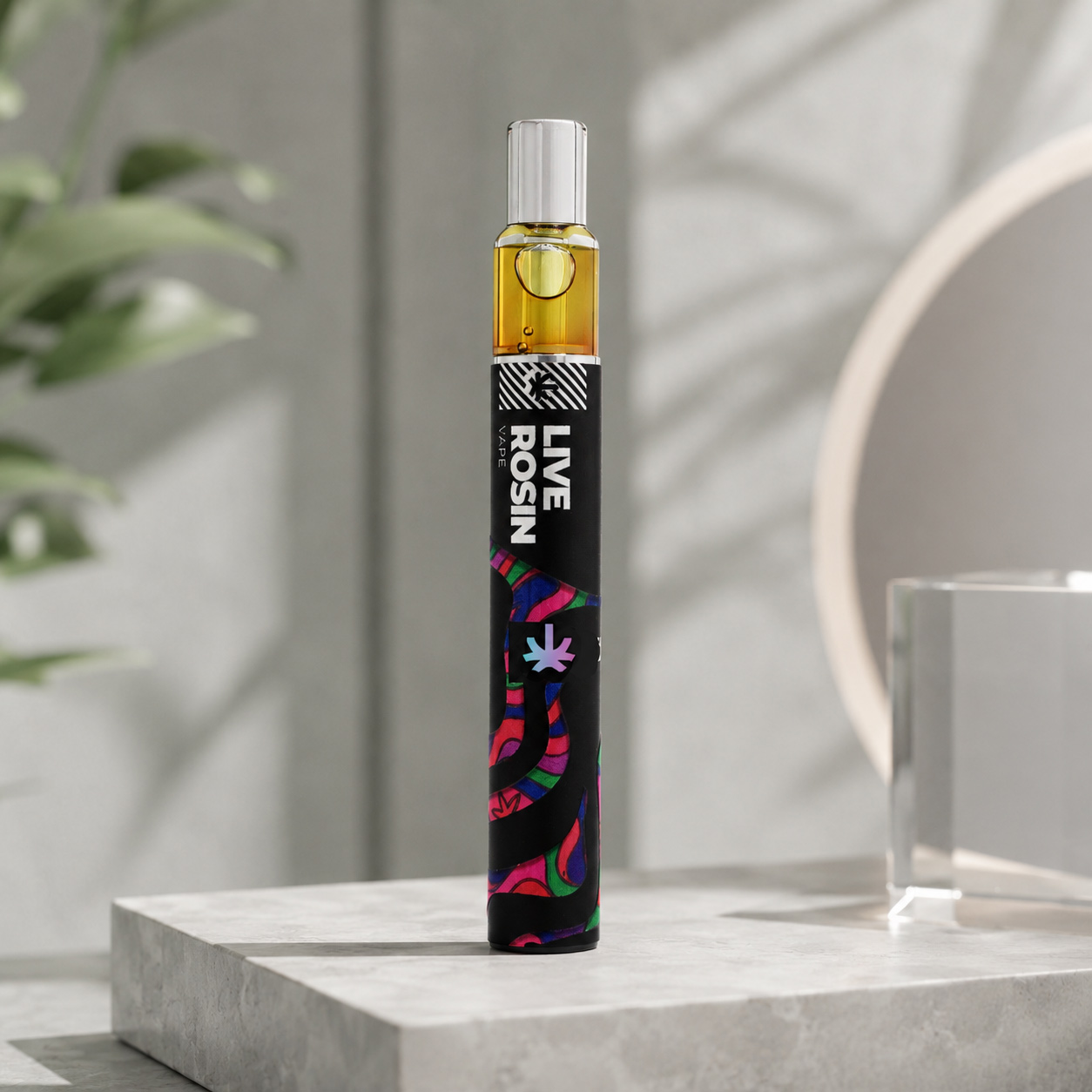
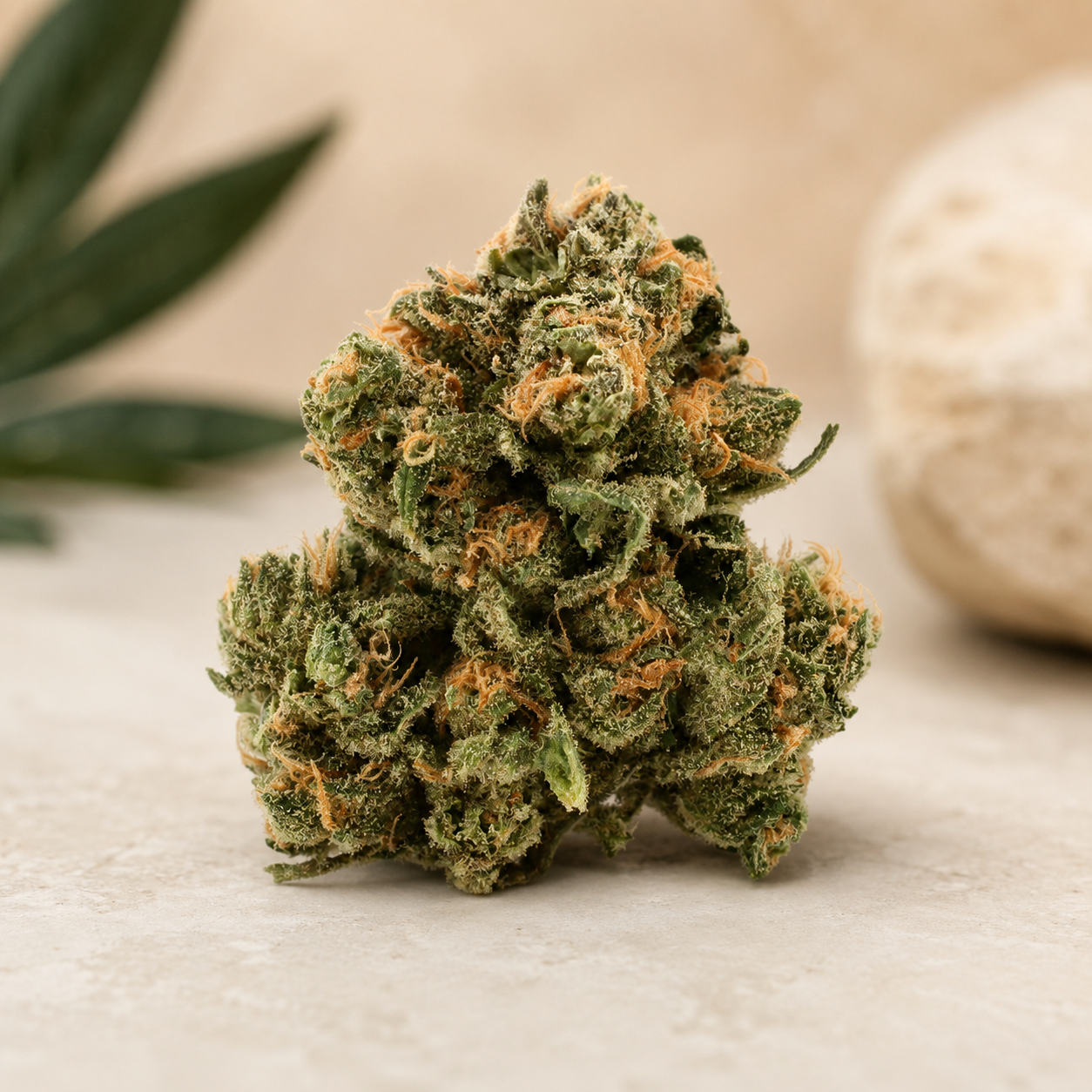
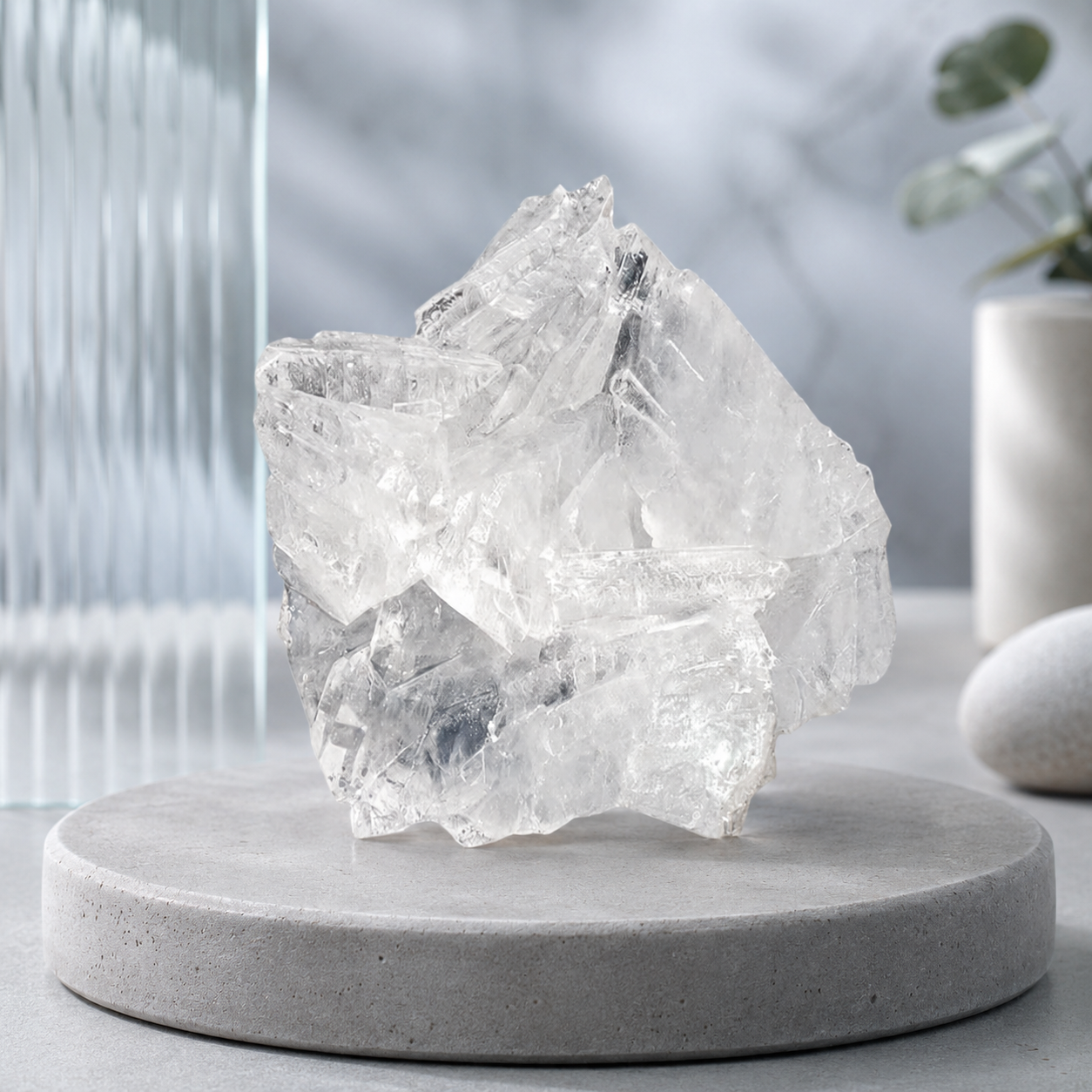
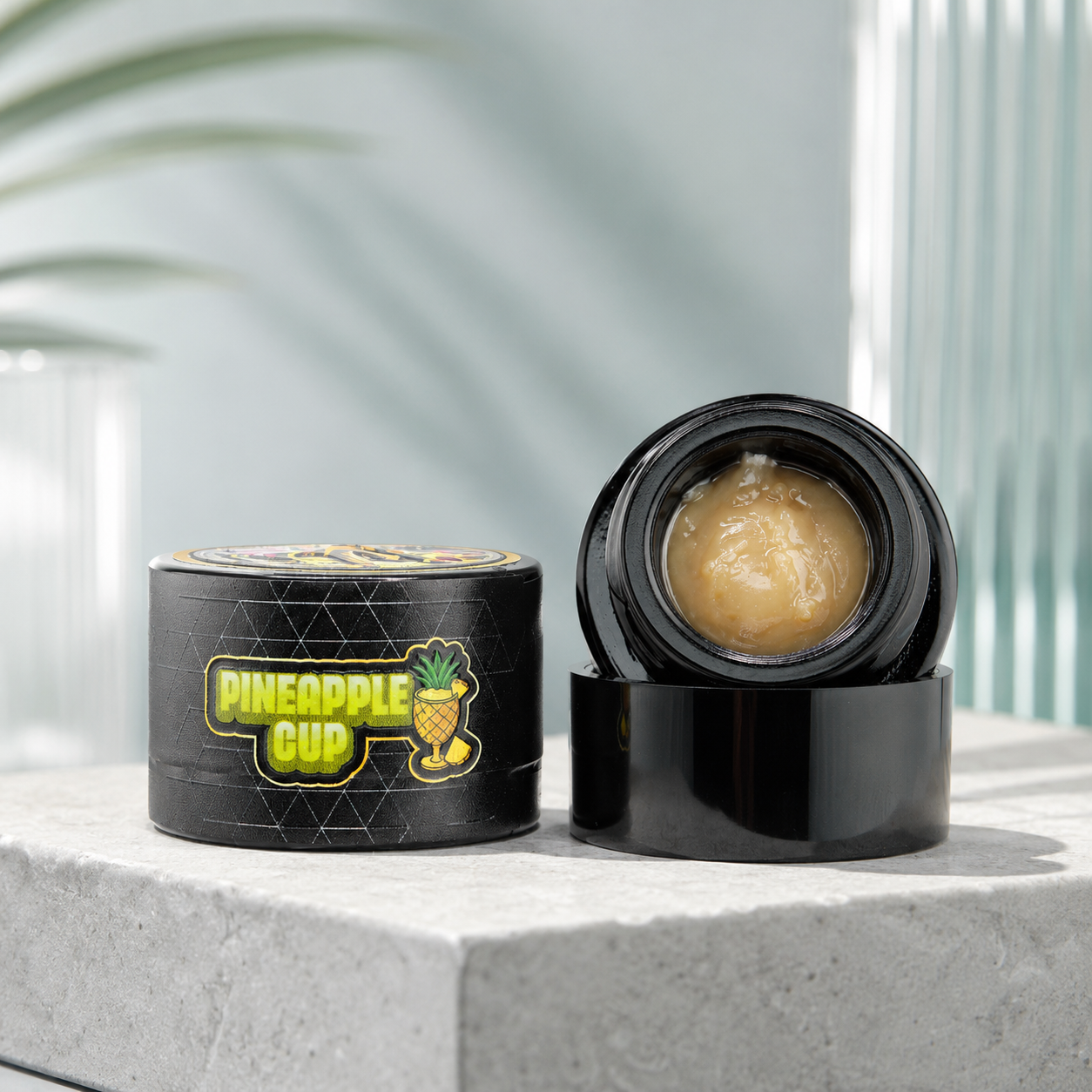
Live rosin is a type of solventless concentrate made from fresh-frozen cannabis flower. In rosin production, ice-water hash (bubble hash) of the frozen bud is pressed with heat and pressure, yielding a pure, chemical-free extract rich in cannabinoids and terpenes. Because it’s made without butane or other solvents, live rosin is prized as a premium rosin offering the full flavor and potency of the plant. (In contrast, concentrates like live resin or shatter use solvents such as butane – known as BHO – to extract oils from cannabis.) In short, live rosin captures the essence of fresh cannabis in a clean, potent form, and cold-cure live rosin refers to the gentle aging process that follows pressing.
Live Rosin vs. Other Extracts
Live rosin stands apart from other extracts in its solventless process. For example, live resin is typically made with fresh-frozen flower but extracted using butane or propane (BHO/PHO), which can leave trace solvents and alter flavor. Shatter and wax are usually BHO concentrates made from dried flower, yielding clear glass-like or crumbly textures.
By contrast, rosin uses only heat and pressure on bubble hash, producing a concentrate that is naturally full-spectrum and free of chemical residues. (Note: true live rosin is pressed from bubble hash of fresh-frozen material, not from raw frozen buds directly.) Because no solvents are used, rosin’s aroma and taste remain “truer to the plant,” making it a top choice for connoisseurs seeking the cleanest, most flavorful extracts.
What Does “Cold Cure” Mean?
“Cold curing” is a post-pressing aging process that transforms fresh rosin’s texture and stability. In practice, cold cure means storing freshly pressed live rosin in a sealed glass jar at cool temperatures (typically around 40–65 °F) for days or weeks. This is sometimes called “jar tech” curing.
At these low temperatures, chemical reactions slow down, allowing the rosin’s THCa and cannabinoids to slowly crystallize (“nucleate”) and the terpenes to re-distribute. As a result, the rosin naturally budders (thickens) into a creamy, spreadable form without the terpenes evaporating. The cold cure process is gentle: unlike warm curing (90–120 °F) that can produce sauces or diamonds, cold curing avoids heat stress and preserves volatile terpenes. In essence, cold curing is like “curing cannabis flowers” but for solventless rosin: just a jar, temperature control, and time.
How Cold-Cure Live Rosin Is Made
Harvest and Freeze
Cultivars are grown for rich cannabinoid/terpene content. At peak maturity, live buds are harvested and immediately frozen or freeze-dried to lock in freshness.
Bubble Hash Extraction
The frozen flowers are run through an ice-water hash process. This washes off the trichome glands into bubble bags, yielding a solvent-free “bubble hash” that concentrates the plant’s oils.
Dry the Hash
The collected bubble hash is dried until it has the right moisture balance for pressing (too wet and it steam-cooks; too dry and yield suffers).
Rosin Pressing
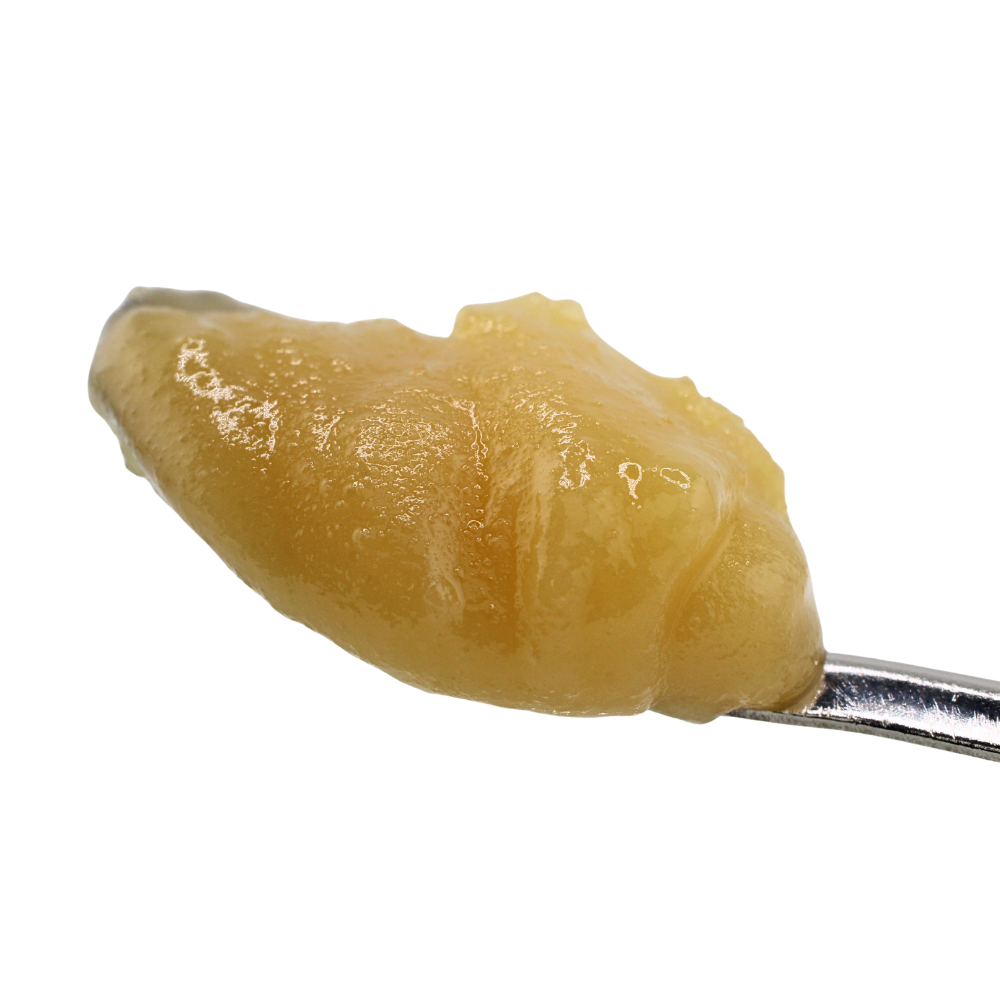
The hash is placed in a rosin press at moderate heat and high pressure. The glands burst and release resin, which flows onto parchment paper; plant material stays behind. This yields a raw live rosin – often a sticky oil or “sauce” rich in THCa and terpenes.
Cold Curing
The fresh rosin is scraped into an airtight glass jar (glass is recommended to avoid any plasticizer or silicone contact). The jar is stored in a cool place (e.g. 50–60 °F, even a refrigerator) for several days. During this time, natural separation and crystallization occur, transforming the rosin into a stable, creamy “budder” texture. If needed, gentle whisking or “whipping” can re-incorporate terpenes that separate on top.
Jar and Label
Once the rosin reaches the ideal consistency, it’s jarred for sale. The result is cold-cured live rosin: a buttery concentrate whose THCa and terpene profile closely match the original strain’s flavor.
Each step is about preserving quality. Crysp emphasizes high-grade genetics, strict freeze-drying, and careful pressing at low heat. The final cold-cure creates a premium rosin that’s potent yet smooth. (Crysp’s process notes: “fresh bud… immediately freeze dry… bubble hash… press at low heat… let THCa hash rest… until ideal creamy consistency”.)
The Science of Cold Curing
Cold curing works by balancing chemistry and physics to enhance the rosin. Terpenes, the volatile aromatic oils, are key. Above about 70 °F, many terpenes begin to evaporate or degrade. By keeping the temperature low (usually 40–65 °F), cold cure locks in those delicate terpenes. Over time, THCa can crystallize (“sugar” or “budder up”), and terpenes naturally migrate out of solution. By gently whipping during the cure, processors can incorporate terpenes into the mix, resulting in a moist, aromatic concentrate.
The sealed jar also protects rosin from oxygen. With less exposure to air, cannabinoid oxidation is minimized, so potency and consistency remain stable. In fact, studies show that warm curing (or just hot environments) can degrade terpenes and even oxidize cannabinoids, whereas cold curing preserves both. Crysp specifically notes that their method “locks in a full spectrum of cannabinoids and terpenes before any degradation can take place”. The low-temperature, solventless pressing and curing yield a concentrate with exceptional terpene preservation and full-spectrum stability.
Common Rosin Consistencies
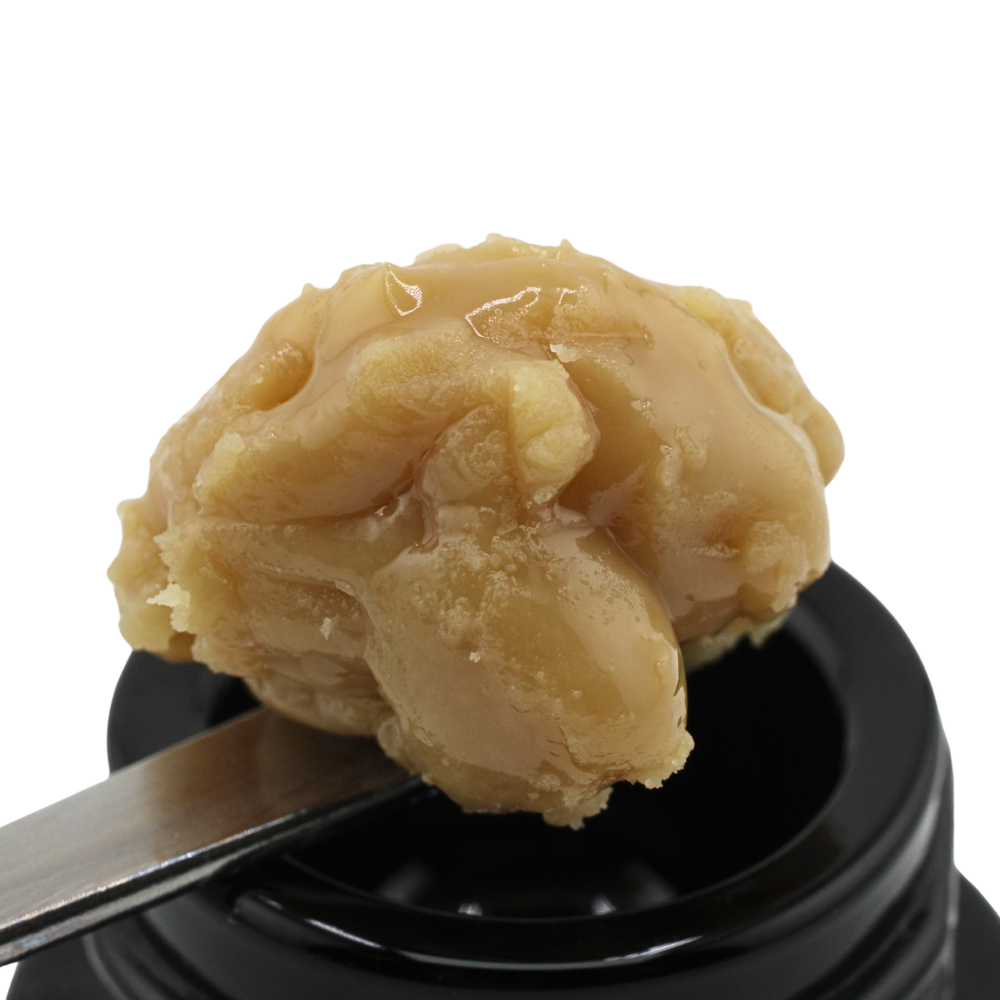
Cold-cure live rosin most often takes on a badder (also called budder or batter) consistency – smooth and creamy, like cake batter or soft butter. In this stage the rosin is opaque and moist, making it easy to handle. Crysp even calls its cold-cure rosin “creamy ‘budder’”. Other textures may occur depending on exact curing conditions:
- Budder/Badder (Batter): A whipped, peanut-butter colored concentrate. Cold curing typically yields this desirable texture.
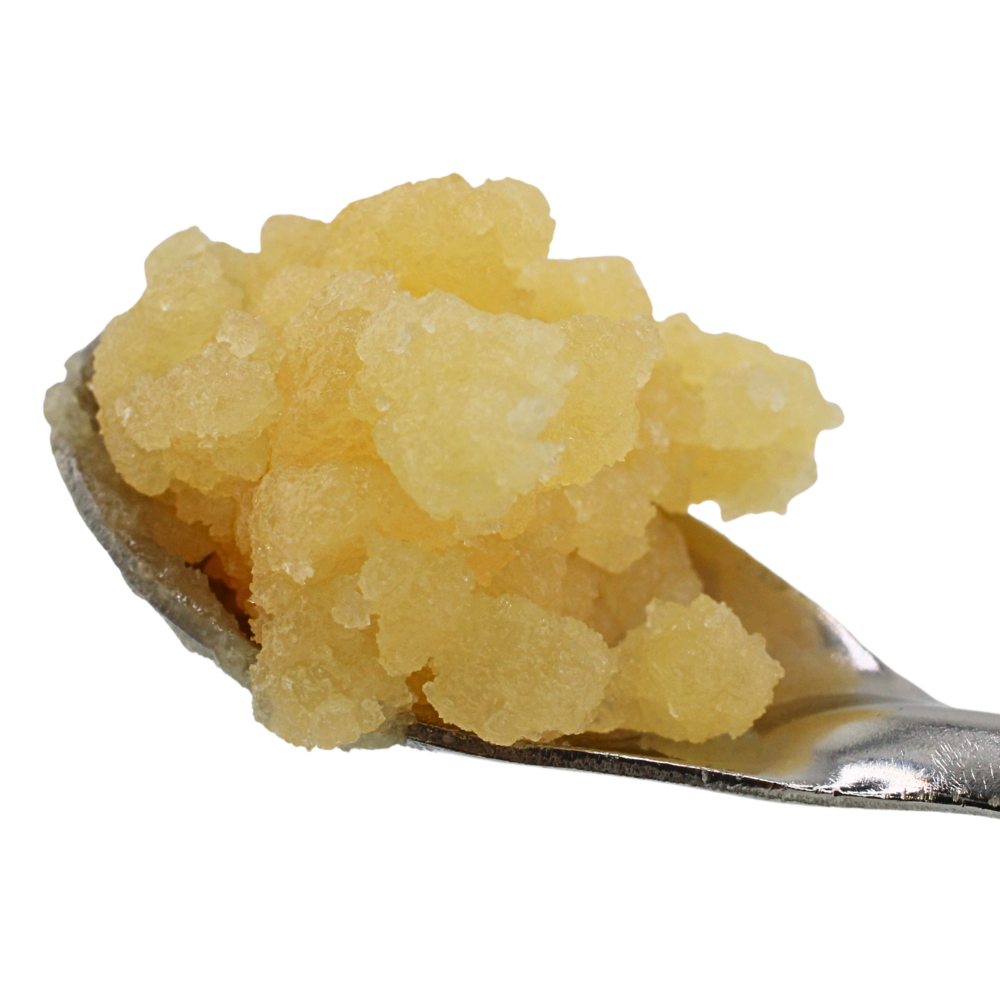
- Rosin Jam: A thicker, stickier concentrate (like jam) that can develop if the rosin is partially stirred during curing. (Jam is more often a result of warm curing, but a heavy cold cure can approach this dense, sticky texture.)
- Sugar Crystals: Under very cold conditions or longer cure times, THCa can form sugar-like granules. Some consumers seek this grainy consistency. Crysp’s offerings note “sugar” and “sauce” styles as well.
- Sauce & Diamonds: Runny terpene sauce with suspended THCa diamonds (hard crystals) usually come from warm cures, not cold. These are less common in pure cold-cure rosin but are possible if the rosin is warmed later.
Each consistency delivers the same pure, strain-specific flavor and potency, but the badder/batter style is especially prized for consistent dosing and mouthfeel.
Benefits of Cold-Cure Live Rosin
Cold-curing live rosin brings several advantages:
Enhanced Flavor & Aroma
Because volatile terpenes are retained, cold-cure rosin delivers a rich, strain-specific terpene profile. Users report deeper, more complex flavors than in a fresh press. Terpenes can even “sweat” to the surface during cure, intensifying the nose.
Smooth, Creamy Texture
The gentle cure transforms raw sap into a luscious badder, making it easy to handle and portion. The creamy batter-like consistency smooths out harshness and provides a consistent mouthfeel.
Maximized Potency
By preserving both terpenes and cannabinoids, cold-cured rosin can be more potent. Triminator notes that more intact terpenes can boost overall effects. In practice, a cold-cure rosin dab often hits cleaner and stronger, since less is lost to heat. (Crysp emphasizes that each batch is extremely potent, thanks to the preservation of THCa and terpenes.)
Stability and Shelf Life
Cold curing slows oxidation, so the concentrate changes little over time. Cold-cure rosin “is less prone to changes” than a fresh warm press. This means a jar of cold-cure live rosin can sit on the shelf longer without degrading or auto-buddering unpredictably.
Full-Spectrum & Solventless
The result is a solvent-free concentrate that contains the full cannabinoid spectrum (THCa, minor cannabinoids, etc.) and terpenes that the plant intended. Consumers get the “entourage effect” of all compounds working together, rather than a stripped-down distillate. Overall, cold-cure live rosin is viewed as a connoisseur product: cleaner, more flavorful, and truer to the live plant than many other concentrates.
Storing and Consuming Cold-Cure Rosin
To preserve cold-cure rosin’s quality, store it properly. Keep it in an airtight glass jar (avoid plastic or silicone, which can interact with terpenes) in a cool, dark place. Some users refrigerate their rosin to prolong shelf life and keep the consistency stable. When ready to use, let the rosin warm slightly to room temperature if it’s too firm.
For consumption, dabbing is most common. Use a dab rig or e-rig with a quartz or ceramic banger, along with a carb cap to control vaporization. Lower-temperature dabs (about 350–450 °F) are generally recommended for rosin to maximize flavor. In fact, vaporizing rosin at low heat has been shown to preserve delicate terpenes and yield smoother hits. (Higher temps produce bigger vapor clouds but risk burning off terpenes.)
Dosage should be conservative: THCa concentrates are very potent. As Crysp notes, a single dab of THCa cold-cure rosin can deliver effects equivalent to “multiple bowls” of flower. Beginners should start with a tiny “rice grain” sized dose and wait a few minutes for effect. Remember that THCa itself is non-intoxicating until heated; you can use raw rosin sparingly for mild effects or fully decarb it by hot dabbing for a strong THC high. In short, small increments and controlled temperature yield the best experience.
Crysp’s Commitment to Quality
Crysp ensures every jar of cold-cure live rosin is premium quality. They start with top-shelf genetics and lab-grade cultivation, freezing and freeze-drying at peak freshness to “lock in full flavor and potency”. The bubble hash and rosin pressing are done at carefully controlled low temperatures to extract only the best resins. After pressing, each batch is cold-cured under exacting conditions until the desired consistency is reached.
Importantly, testing and consistency are part of Crysp’s process. Every batch of THCa rosin undergoes strict quality control and third-party lab analysis for cannabinoid content and purity. Certificates of Analysis (COAs) are published, so customers know exactly what they’re getting. Crysp’s site emphasizes solventless purity and a full spectrum of compounds: “we deliver solventless concentrates that give you the spectrum of cannabinoids and terpenes the plant intended”. In short, from genetics to final jar, Crysp’s cold-cure rosin is crafted and tested to be the cleanest, most flavorful concentrate for cannabis connoisseurs.