THCa vs. THC: Key Differences
Chemical Structure: The primary difference between THCa and THC is the extra carboxyl group present in THCa’s molecular structure. THCa has the formula C₂₂H₃₀O₄, whereas Δ⁹-THC is C₂₁H₃₀O₂ – the difference being the CO₂ group that THCa carries and THC lacks. This additional carboxylic acid group makes THCa a larger, more polar molecule, which affects how it interacts with the body. Notably, THCa is not able to easily cross the blood–brain barrier or fit into cannabinoid receptors in the same way THC does. As a result, THCa is non-psychoactive, while THC is psychoactive. In other words, consuming THCa in its raw form will not cause the euphoric “high” that THC does.
Decarboxylation (Heat Conversion): Heating is the critical factor that converts THCa to THC. When cannabis is smoked, vaporized, or cooked, the heat causes rapid decarboxylation, releasing the CO₂ and yielding Δ⁹-THC. This is why “THCa hemp” flower can be sold legally as hemp (if Δ⁹-THC content is below 0.3% by dry weight) yet can become intoxicating once it’s heated. Before heating, the cannabis may have high THCa but negligible THC; after heating, much of that THCa transforms into THC. In contrast, in a dried, aged sample (or through intentional heating), THCa gradually decarboxylates even at room temperature (albeit slowly) into THC and further can degrade to CBN (cannabinol) over time.
Psychoactivity: THCa’s inability to strongly activate CB1 receptors means it does not produce psychoactive effects in humans. THC, on the other hand, is the principal psychoactive cannabinoid in cannabis – it binds to CB1 receptors in the brain, causing the well-known mind-altering effects (euphoria, altered perception of time and senses, impaired short-term memory, etc.). Simply put, THCa will not make a person feel “high” unless it is first converted to THC. This difference is crucial for users: raw cannabis (rich in THCa) can be consumed without intoxication, whereas heated cannabis (rich in THC) will cause intoxication.
In summary, THCa and THC are chemically related (THCa is the precursor to THC) but differ in structure and effects. THCa is found in abundance in raw cannabis plants but must be decarboxylated (through heat or aging) to yield THC. Once converted, it becomes the psychoactive compound responsible for cannabis’s intoxicating effects. Until that conversion, THCa remains a distinct, non-psychoactive cannabinoid.
What Are the Effects of THCa?
In Raw Form (Non-Psychoactive Effects): Consuming THCa in its raw, unheated form does not produce the typical high associated with cannabis. Users will not experience intoxication, euphoria, or impairment from THCa itself. In fact, raw cannabis or hemp juice has been promoted as a way to obtain cannabinoids without psychoactive effects. People who ingest raw THCa (for example, by juicing raw cannabis leaves or adding raw cannabis to foods) generally report no acute mind-altering effects at all – THCa by itself “can’t bind to the receptors” in the endocannabinoid system that trigger a high. Thus, someone could consume quite a large amount of THCa in raw form and remain clear-headed. (They might, however, notice other subtle physiological effects or health benefits, which we will discuss later, such as reduced inflammation or nausea relief, but not the drastic mood or perception changes THC causes.)
After Decarboxylation (Effects as THC): Once THCa is converted into THC (by smoking, vaping, baking, or any heating process), it will produce the same effects as THC. These are the well-documented psychoactive effects of cannabis. Shortly after decarboxylated THC enters the bloodstream and reaches the brain, users may experience euphoria and mood elevation, altered sensory perception (colors and sounds may seem more intense), a distorted sense of time, and relaxation or sedation. THC can also cause impairments in short-term memory and coordination, changes in thinking and concentration, and often an increase in appetite (“the munchies”). Some individuals might experience anxiety or paranoia in response to THC, especially at high doses. Essentially, once THCa has become THC, its effects are indistinguishable from THC derived from traditional marijuana – it engages CB1 receptors in the brain and produces intoxication.
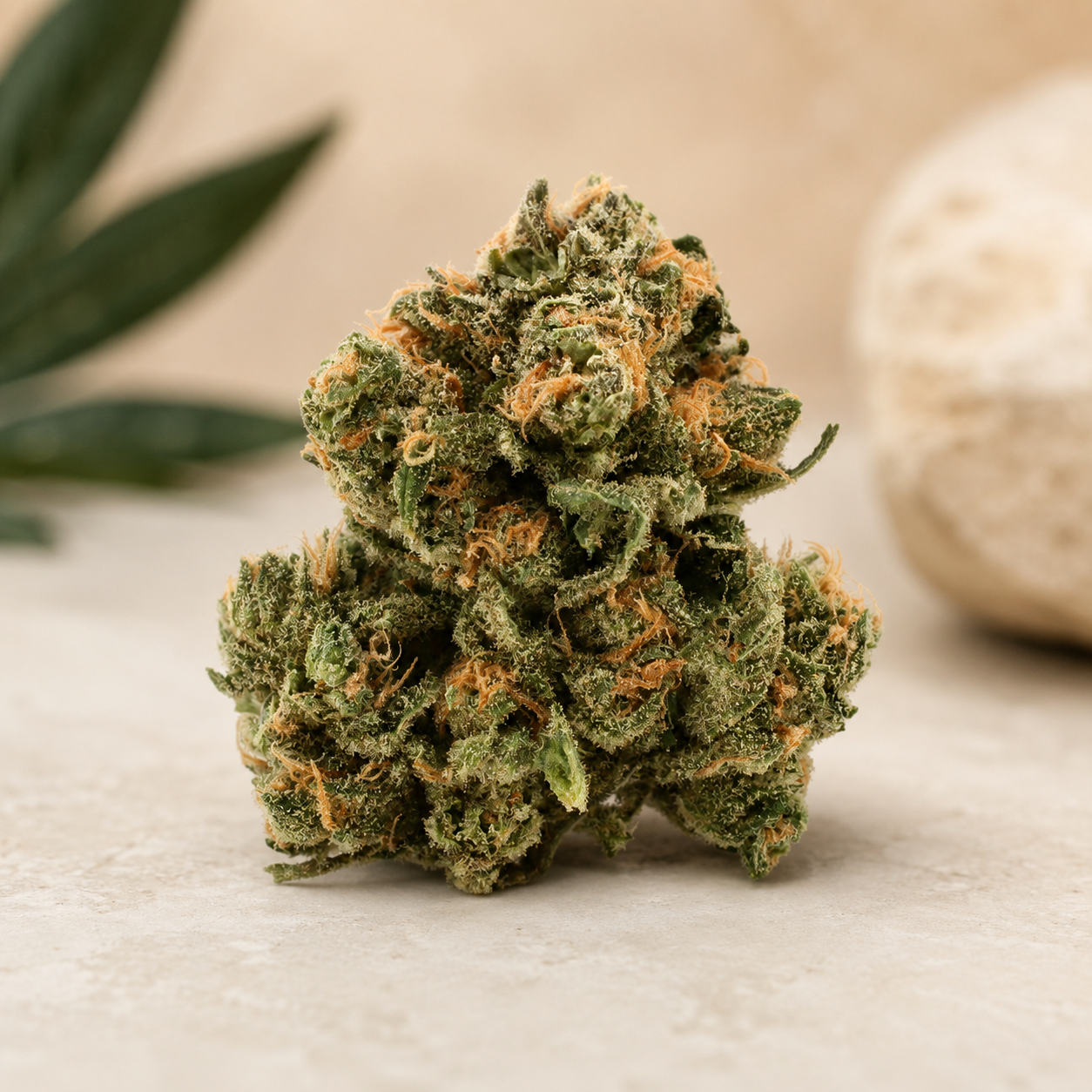
It’s important to understand this dual nature of THCa: in raw form it is inactive in terms of intoxication, but after heating it can yield potent psychoactive effects. For example, eating raw cannabis leaves or fresh buds (high in THCa) will not make one high, but smoking or vaporizing THCa-rich “hemp” flower will produce the same high as smoking a high-THC marijuana strain, because the act of smoking instantly converts THCa to THC. This conversion explains why products marketed as “THCa flower” can be intoxicating when used – the THCa becomes THC at the moment of consumption.
In summary, raw THCa has no psychoactive impact on its own, whereas heated THCa adopts the full spectrum of THC’s psychoactive effects. Users seeking therapeutic benefits without a high might use THCa in raw form, while those seeking cannabis’s recreational high must activate it via heat (intentionally or inadvertently) to experience those effects.
How to Get Started with THCa
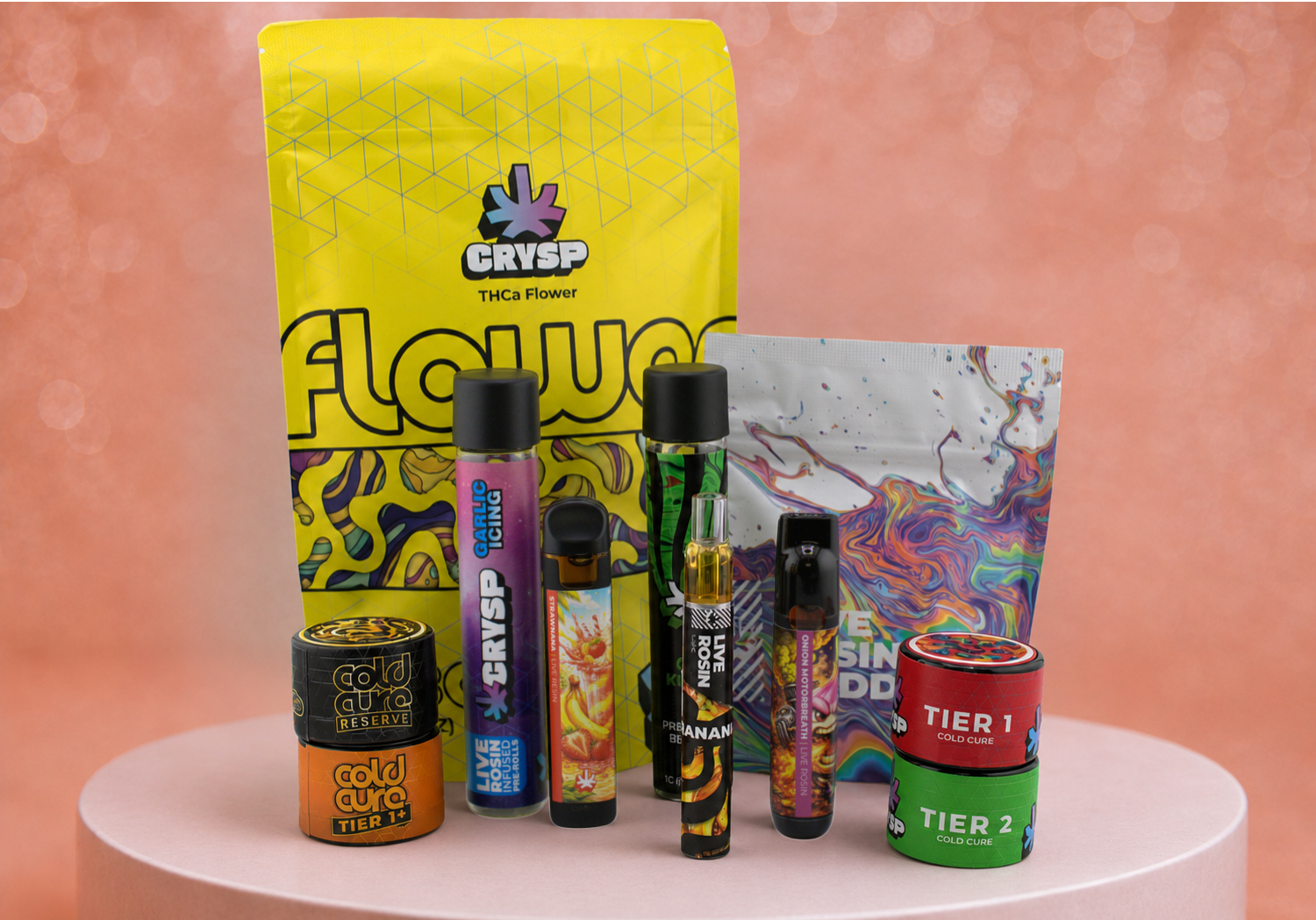
If you’re curious about THCa and ready to experience its unique potential, the best place to start is with products you can trust. At Crysp, we make that decision easy. Our passion for cannabis runs deep, we’re enthusiasts first, curating THCa products we’d be proud to enjoy ourselves. Every item we offer is sourced from growers and artisans who share our commitment to preserving the plant’s essence, ensuring you get clean, flavorful, and high-quality experiences every time.
We partner only with cultivators and extractors who treat cannabis as an art form, paying close attention to how it’s grown, harvested, and crafted. That means no shortcuts, no compromises, just products that deliver exceptional taste, purity, and value. Whether you’re new to THCa or expanding your cannabis horizons, Crysp gives you access to some of the best the market has to offer without breaking the bank.
The next step is simple: choose your THCa product, explore your preferred method of consumption, and discover firsthand why our customers keep coming back. When you start with Crysp, you’re not just buying THCa, you’re tapping into a community of passionate cannabis lovers who believe in quality, craftsmanship, and the joy of the plant.
Benefits of THCa
Although THCa has often been overlooked in favor of its active counterpart THC, emerging research suggests that THCa itself may have a variety of medical and therapeutic benefits. Unlike THC, THCa doesn’t cause a high, so scientists and clinicians are interested in its potential as a treatment that might offer the medicinal properties of cannabis without impairment. Below we outline several promising effects of THCa that have been observed in preclinical studies and early research:
Is THCa Legal?
Federal Law (U.S. – 2018 Farm Bill): The legality of THCa in the United States sits in a gray area that hinges on how hemp is defined. Under the 2018 Farm Bill, hemp (which was made federally legal) is defined as cannabis (and its derivatives) containing no more than 0.3% Δ⁹-THC on a dry weight basis. The law specifically limits delta-9 THC, not THCa. This means that, on paper, a product high in THCa but very low in delta-9 THC could meet the letter of the federal definition of hemp. Indeed, many in the hemp industry have treated THCa as federally legal as long as the product itself has <0.3% delta-9 THC before any heating. For example, a raw hemp flower testing at 0.2% Δ⁹-THC and 5% THCa by weight is technically under the THC limit and thus considered “hemp” by that standard. This interpretation opened the door for “THCa hemp” products to be sold openly, since they are derived from hemp and initially compliant with the THC limit.
Will THCa Show Up on a Drug Test?
This is a critical question for many consumers: If you use THCa, especially from hemp products, will it cause you to fail a drug test for marijuana/THC? The answer depends on how you consume THCa, because drug tests generally do not look for THCa itself but rather for THC and its metabolites.
Most workplace or probation drug tests look for THC-COOH, the main metabolite of THC, not THCa, so consuming raw THCa without heating usually won’t trigger a positive result. However, if THCa is heated, such as when smoked, vaped, or baked, it converts to THC, which will show up on a drug test just like regular cannabis. Small amounts of THCa can also naturally decarboxylate in the body, meaning heavy or repeated use could still yield trace THC levels. Because of this conversion risk and possible contamination, experts advise avoiding THCa products if you’re subject to drug testing.