If you’ve been browsing the premium end of the hemp concentrate market lately, you’ve probably run into the term “cold cure rosin” and wondered what makes it different from everything else on the shelf. The name sounds technical, but the concept is surprisingly approachable once you break it down. And once you understand it, the price tag starts to make a lot more sense.
This guide covers everything you need to know: what cold cure rosin actually is, how it gets made, what it looks and feels like, and why serious consumers are willing to pay more for it.
What Is Cold-Cure Rosin?
Rosin, at its most basic, is a solventless cannabis concentrate made by applying heat and pressure to cannabis plant material. No chemicals, no butane, no ethanol, just physics. The result is a golden, resinous extract that preserves the natural compounds of the plant with impressive fidelity.
Cold-cure rosin takes that foundation and adds a deliberate finishing step. After the initial extraction, the rosin is subjected to a controlled low-temperature curing process that transforms its texture and refines its overall profile. The result is something quite different from fresh-pressed rosin in both feel and experience.
Think of it like the difference between a raw dough and a properly rested, proofed loaf of bread.
The underlying ingredients are the same, but the technique applied afterward is what creates the final character.
How Cold Cure Rosin Is Made
Step One: Starting With Quality Material
The quality of cold-cure rosin starts long before the press ever touches the plant. Most premium cold cure is made using fresh-frozen flower or bubble hash, specifically ice water hash, which is itself made by washing trichomes from frozen plant material using ice water and fine mesh screens.
This is not a shortcut-friendly process. The plant material needs to be harvested at peak trichome development, frozen immediately to lock in volatile compounds, and then carefully processed to preserve as much of the original chemistry as possible. Research on terpene preservation in cannabis extraction consistently shows that lower processing temperatures result in better retention of these aromatic compounds.
Step Two: The Press
Once high-quality ice water hash is prepared, typically rated at 6-star or full-melt quality, it gets pressed using a rosin press. Controlled heat and pressure are applied, and the oils are squeezed out of the hash and collected on parchment paper.
The temperatures used in this stage are relatively low compared to other extraction methods, which helps protect the terpenes and cannabinoids from degradation. The fresher the input material, the more vivid and complex the resulting extract.
Step Three: The Cold Cure
This is where the magic happens, and it’s also what separates cold-cure rosin from its competitors.
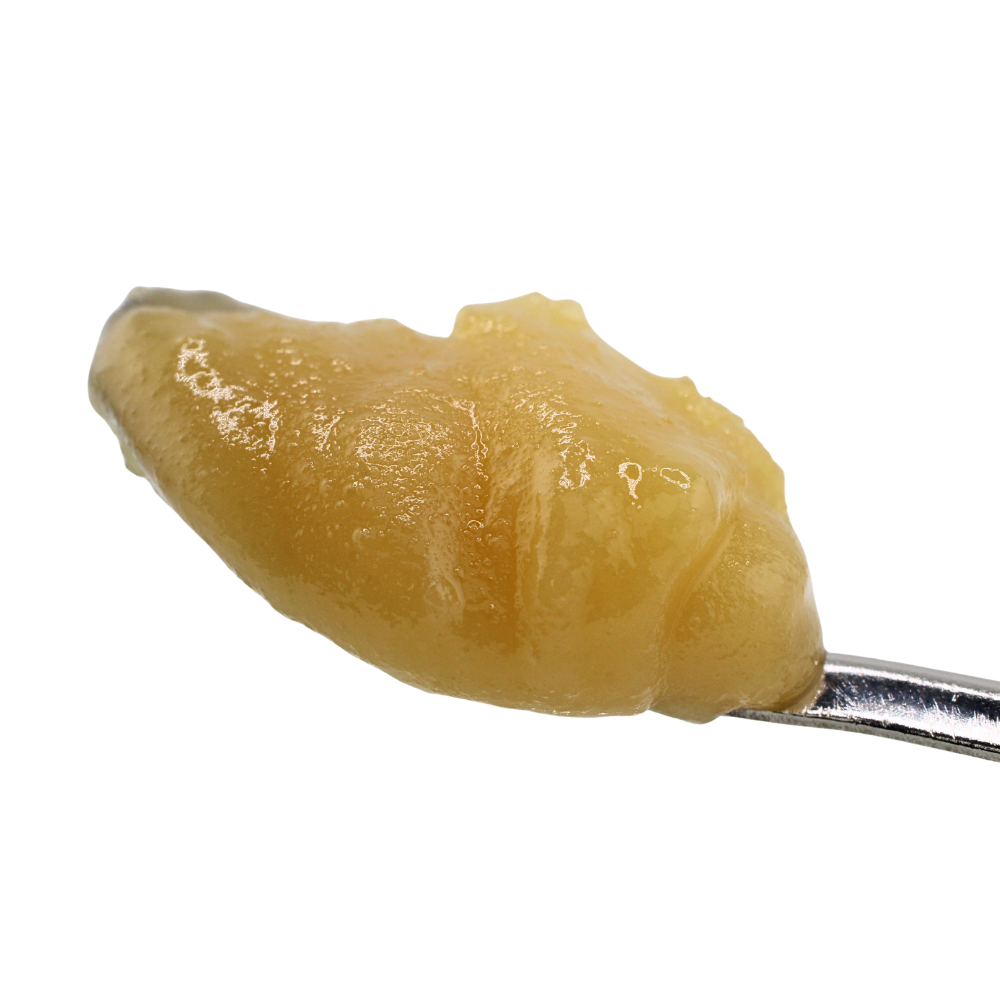
Fresh-pressed rosin is often runny, almost oily in texture. It’s flavorful and potent, but it’s not always easy to handle or work with. The cold cure process takes that freshly pressed rosin and stores it at a carefully controlled low temperature, typically in the range of 32 to 55 degrees
Fahrenheit, for a period of several days to a few weeks.
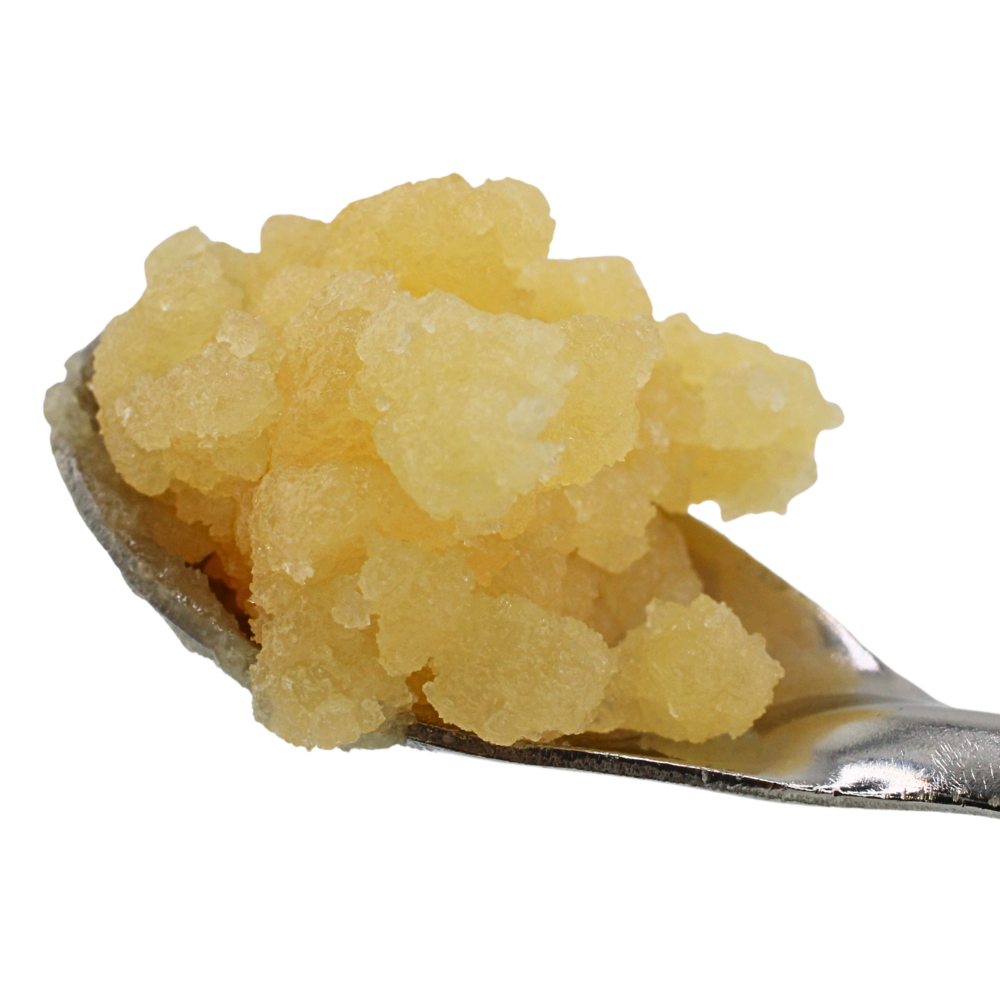
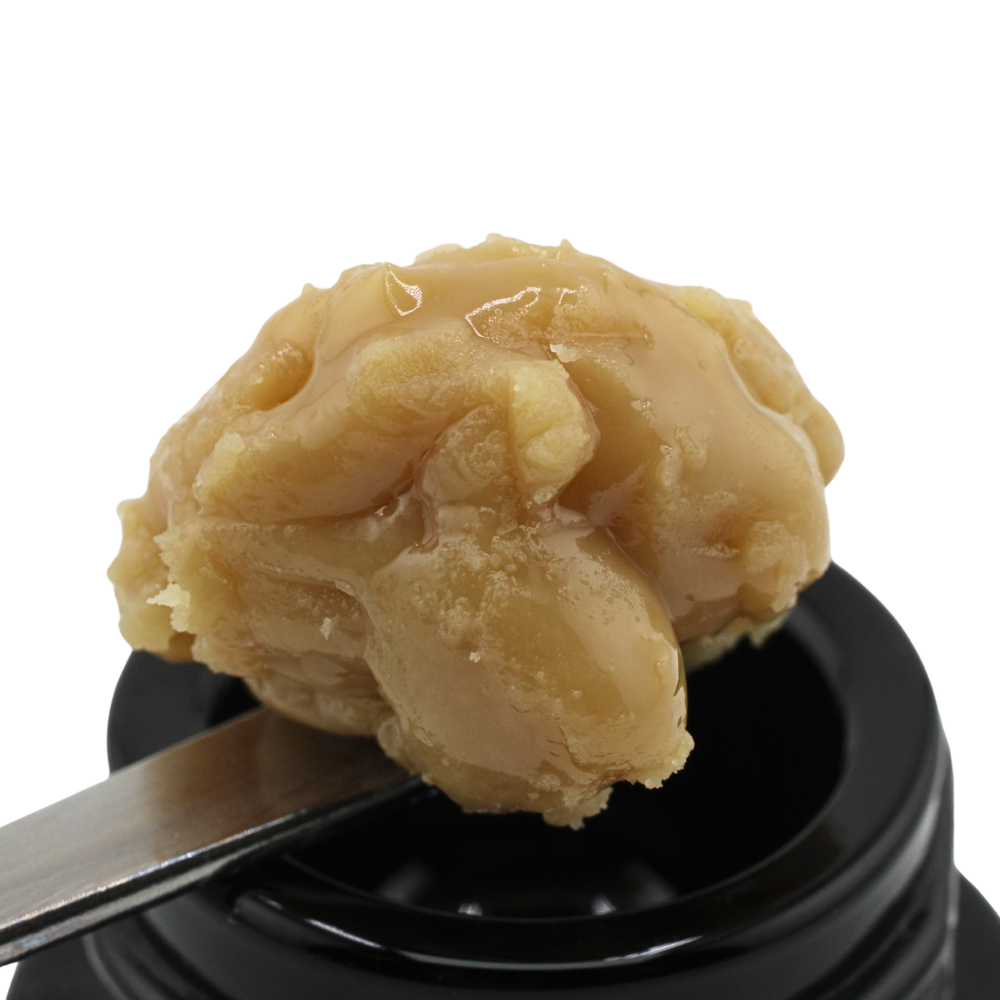
During this time, the concentrate undergoes a natural transformation. Fats and lipids within the extract begin to separate and crystallize, and the rosin takes on a new texture entirely. The end result is typically described as “badder” or “budder”, a soft, workable, slightly grainy consistency that holds its shape but gives way easily when scooped.
If you want a deeper look at exactly how this transformation occurs at each stage, Crysp’s breakdown of the cold cure process walks through the chemistry and technique in more detail.
What Does Cold Cure Rosin Look and Feel Like?
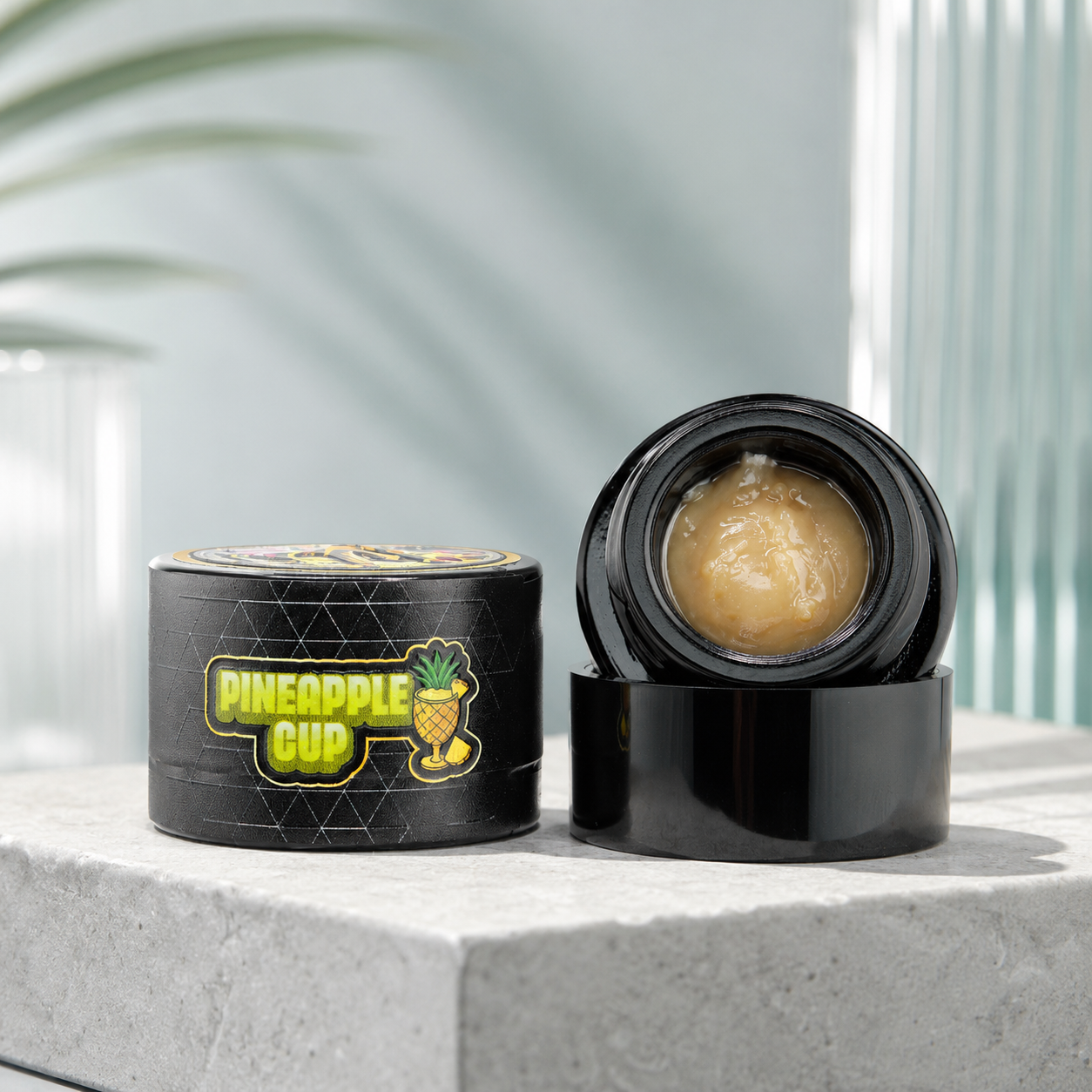
One of the first things people notice about cold cure rosin is its appearance. Unlike the clear, syrupy consistency of some concentrates, cold cure rosin typically has a matte or slightly opaque finish. The color can range from pale gold to a rich amber, depending on the starting material and how long it was cured.
The texture is one of the most distinctive qualities. It’s commonly described as resembling soft butter, cake frosting, or wet sand, depending on exactly how far the curing process has taken it. It holds its form when scooped but doesn’t crumble or shatter. Experienced consumers often describe it as the most “pleasant” concentrate to work with on a purely tactile level.
It also looks alive in a way that many processed concentrates don’t. The slight cloudiness and soft grain come from the natural separation of compounds within the extract, something that only happens when the material hasn’t been overly refined or stripped down.
What Does Cold Cure Rosin Taste and Feel Like to Consume?
This is where cold-cure rosin earns its reputation.
Because the entire process is solventless and conducted at low temperatures, the terpene profile of the original plant survives in unusually high concentration. Terpenes are the aromatic compounds responsible for flavor and aroma in cannabis, the same molecules that make one strain smell like citrus and another like pine or berries. In most extraction methods, these compounds are at least partially lost to heat, solvents, or aggressive processing.
In a well-made cold-cure rosin, those terpenes are largely intact. The result is a concentrate that tastes remarkably close to fresh flower, complex, layered, and true to the strain it came from.
Consumers often describe the experience as “terpy,” meaning the flavor is rich and distinctive rather than flat or generic.
The effect profile tends to reflect the full-spectrum nature of the extract as well. Because the minor cannabinoids and terpenes are preserved alongside the primary cannabinoids, many users report a more nuanced and complete experience compared to more refined concentrates.
Why Does Cold Cure Rosin Cost More?
The price difference comes down to one thing: labor-intensive craftsmanship at every stage.
Starting with quality fresh-frozen material is more expensive than using dried and cured trim or lower-grade flower. Producing high-quality ice water hash requires careful technique, specialized equipment, and significant time.
Pressing that hash at precise temperatures requires skill and attention. And then the cold cure itself adds another layer of time and storage requirements before the product is ready for sale.
There’s also a significant yield consideration. Rosin extraction, especially from bubble hash, produces far less final product by weight than solvent-based extraction methods. A pound of input material might yield only a few grams of sellable product after pressing and curing. That ratio directly affects the economics of production.
What you’re paying for with cold cure rosin is not just a product, it’s the cumulative result of every careful decision made by the cultivator, the hash maker, and the extractor. Mass production simply can’t replicate this. The processes involved require hands-on attention at each stage, which means the output is inherently limited and inherently premium.
Cold Cure Rosin vs. Other Concentrates
It helps to understand where cold-cure rosin sits relative to other concentrates you might encounter.
- Compared to regular pressed rosin: Standard rosin is pressed but not cured. It’s often runnier and more volatile in texture. Cold-cure rosin offers a more stable, workable consistency and typically a more refined flavor.
- Compared to live resin: Live resin is made using solvents (usually butane or propane) applied to fresh-frozen plant material. It can be excellent, but it’s not solventless, and the purging process required to remove those solvents can affect the final profile.
- Compared to distillate: Distillate is the most processed form of cannabis concentrate. It’s nearly pure cannabinoid content with almost all terpenes stripped away. Cold-cure rosin sits at the opposite end of the spectrum, full-spectrum, minimally processed, and flavor-forward.
- Compared to bubble hash: Ice water hash is the precursor to cold cure rosin in many cases.
Hash on its own is excellent, but pressing it into rosin and then cold curing it refines and transforms it into something with a different consistency and application.
Who Is Cold Cure Rosin For?
Cold-cure rosin tends to appeal most to consumers who are serious about flavor and quality, and who want a product that reflects the actual character of the plant rather than a refined or standardized extract.
It’s a good fit for someone who has tried multiple concentrates and found themselves wanting more complexity, more of what makes a particular strain interesting, rather than just potency. It’s also appealing to anyone who prefers solventless products in principle.
That said, cold cure rosin is absolutely accessible to someone newer to concentrates who simply wants to start with the best available option. If you’re going to try a concentrate for the first time, starting with something that tastes like the actual plant isn’t a bad entry point.
A Note on Hemp-Derived Cold Cure Rosin
The same techniques used in cannabis production apply directly to hemp. The distinction matters legally; hemp-derived concentrates must contain less than 0.3% Delta-9 THC under the 2018 Farm Bill, but the extraction and curing process is identical. High-quality hemp rosin, made from premium cultivars rich in cannabinoids like THCA, can be just as expressive and complex as anything produced from traditional cannabis.
This is the category where Crysp operates. Every cold-cure product in the Crysp lineup is made from legally compliant hemp and is held to the same artisan standards that define premium cannabis concentrate production. The result is a product that reflects genuine craft rather than commodity production.
Frequently Asked Questions About Cold Cure Rosin
How long does the cold-cure process take?
The curing period typically ranges from a few days to several weeks, depending on the producer’s target texture and terpene profile. Longer cures tend to produce a more stable, drier consistency.
Does cold curing reduce potency?
Not significantly. The primary effect of cold curing is textural and aromatic. The cannabinoid content remains largely intact throughout the process.
How should cold-cure rosin be stored?
Cold cure rosin should be kept away from heat, light, and air. Refrigeration is often recommended for longer storage periods to preserve texture and flavor. For more specific guidance, check out Crysp’s resource on storing cold-cure rosin.
Can cold-cure rosin be vaped?
Yes. Cold cure rosin can be used with compatible dab rigs, e-rigs, or vaporizers designed for concentrates. Temperature settings matter; lower temperatures tend to bring out more flavor.
The Bottom Line on Cold Cure Rosin
Cold-cure rosin is what happens when skilled producers take an already excellent solventless extract and apply patience and precision to make it better. The result is a concentrate that stands out in texture, flavor, and overall character, and that commands a higher price for entirely legitimate reasons.
If you’ve been curious about trying concentrates or want to step up from what you’ve been using, cold-cure rosin is one of the most honest representations of what premium hemp and cannabis production can achieve.
Crysp carries a curated selection of cold-cure products made by producers who share the same commitment to quality and craft. Browse the current lineup at Shopcrysp.com and see what clean, artisan-made cold cure rosin actually looks like when it’s done right.