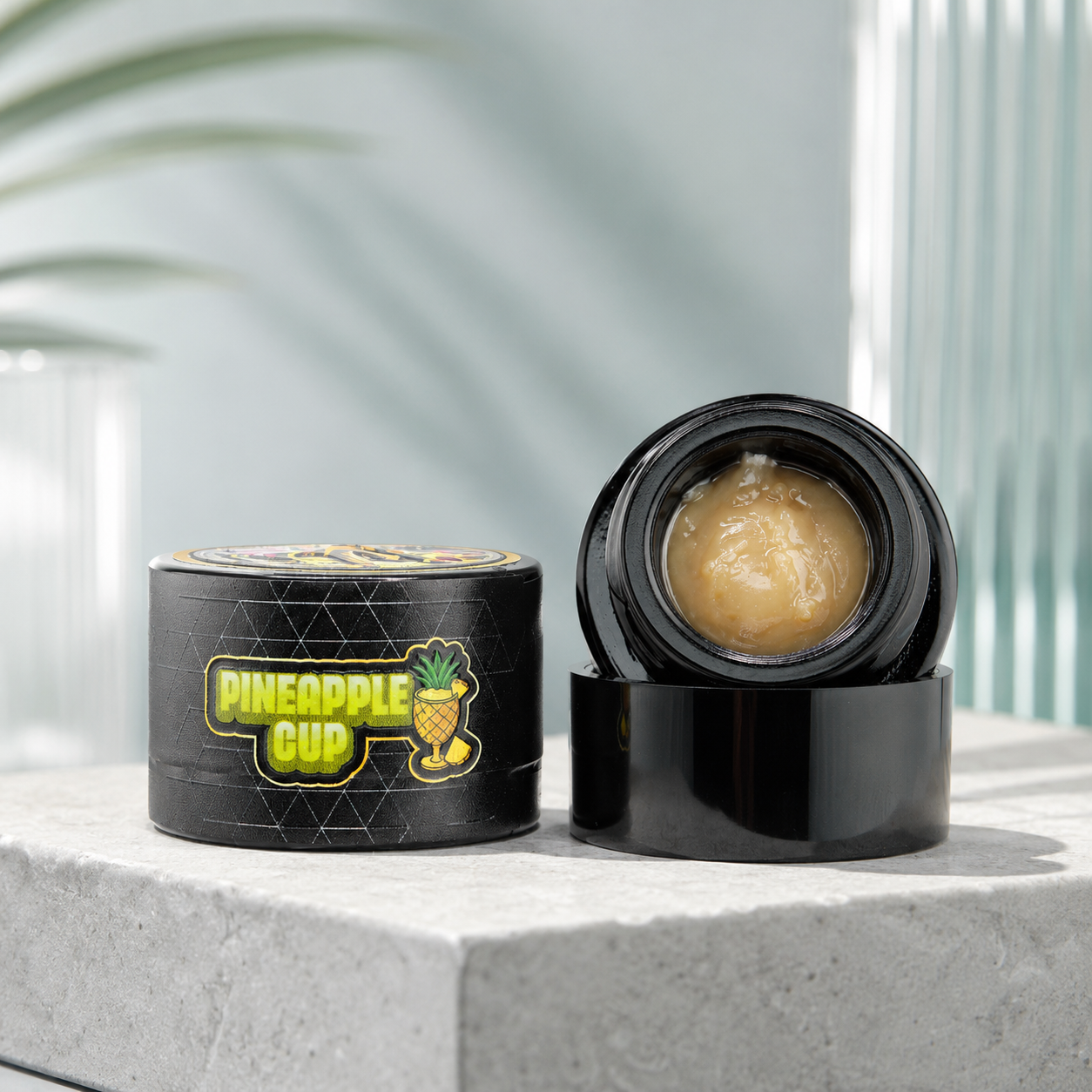
If you’ve been exploring the world of cannabis concentrates, you’ve probably come across both fresh press rosin and cold cure rosin. They look different, feel different, and honestly behave differently once you open the jar. But figuring out which one is actually better? That depends entirely on what you’re looking for.
This guide breaks down both in plain terms so you can make a smarter choice, whether you’re new to concentrate or just trying to understand why your last batch of fresh press turned into a puddle overnight.
What Is Fresh Press Rosin?
Fresh press rosin is exactly what the name suggests. It’s rosin that comes straight off the press with minimal processing after extraction. Heat and pressure are applied to cannabis flower or hash, and what drips out is collected and packaged almost immediately.
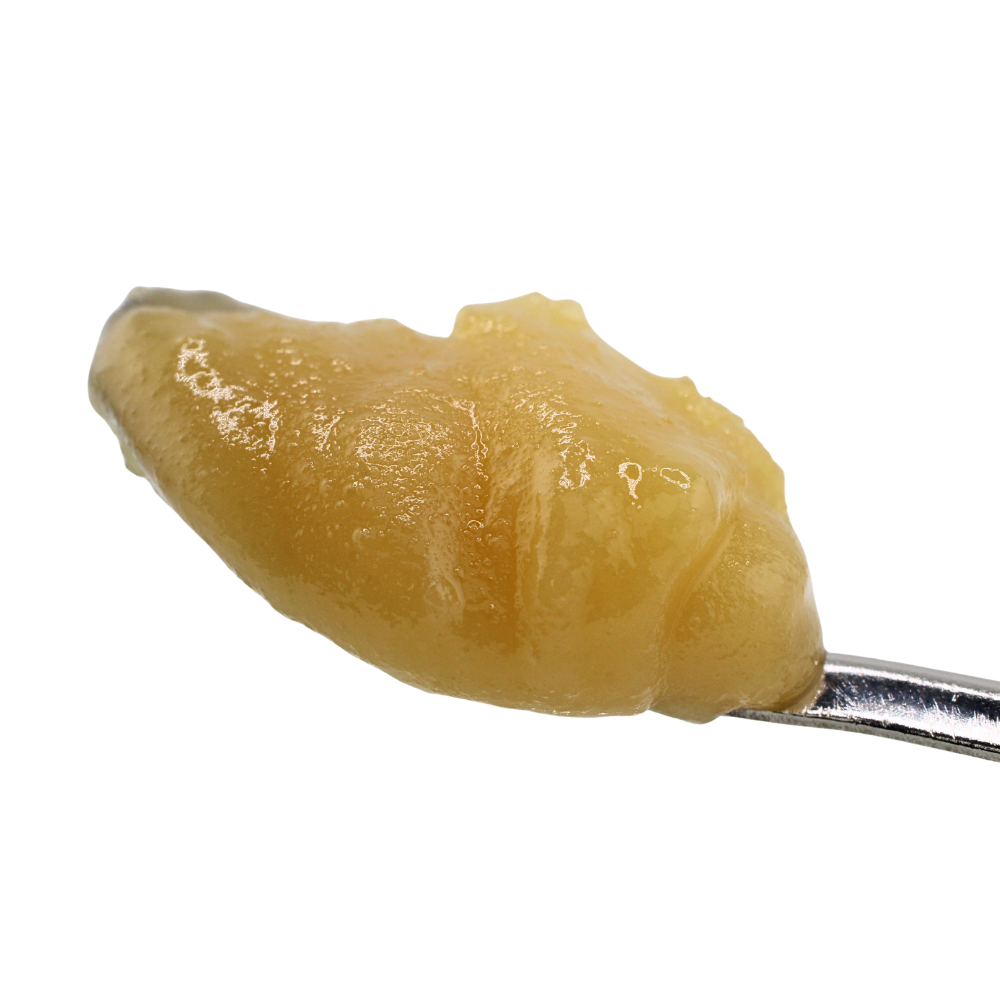
The result is typically a sappy, oily, or sometimes buttery-like consistency, depending on the starting material and the temperature used during pressing. It tends to be incredibly aromatic because the terpenes haven’t had time to evaporate or settle. When you crack open a jar of freshly pressed, the smell alone can be enough to make a strong impression.
Because it hasn’t gone through any post-processing, fresh press rosin is considered one of the more minimally handled forms of cannabis concentrate available. For people who prioritize a close-to-the-plant experience, that matters.
The Texture and Consistency of Fresh Press
One thing that surprises people about fresh press rosin is how much the consistency can vary.
You might get something almost liquid and runny, or something closer to a soft butter. This
variation comes from the natural terpene content of the strain, the moisture in the material, and even small fluctuations in pressing temperature.
That variability is part of the charm for some consumers, but it can also make fresh press a little unpredictable if you’re used to pulling the same consistency out of the jar every time.
What Is Cold-Cure Rosin?
Cold cure rosin starts the same way fresh press does. It goes through the same solventless extraction process using heat and pressure. The difference is what happens after the press.
Instead of being packaged and sold immediately, cold cure rosin is placed in a sealed container and kept at low temperatures, usually in a refrigerator or cooler environment, for an extended period. This can range from a few days to a couple of weeks. During that time, the rosin undergoes a natural transformation in texture and structure.
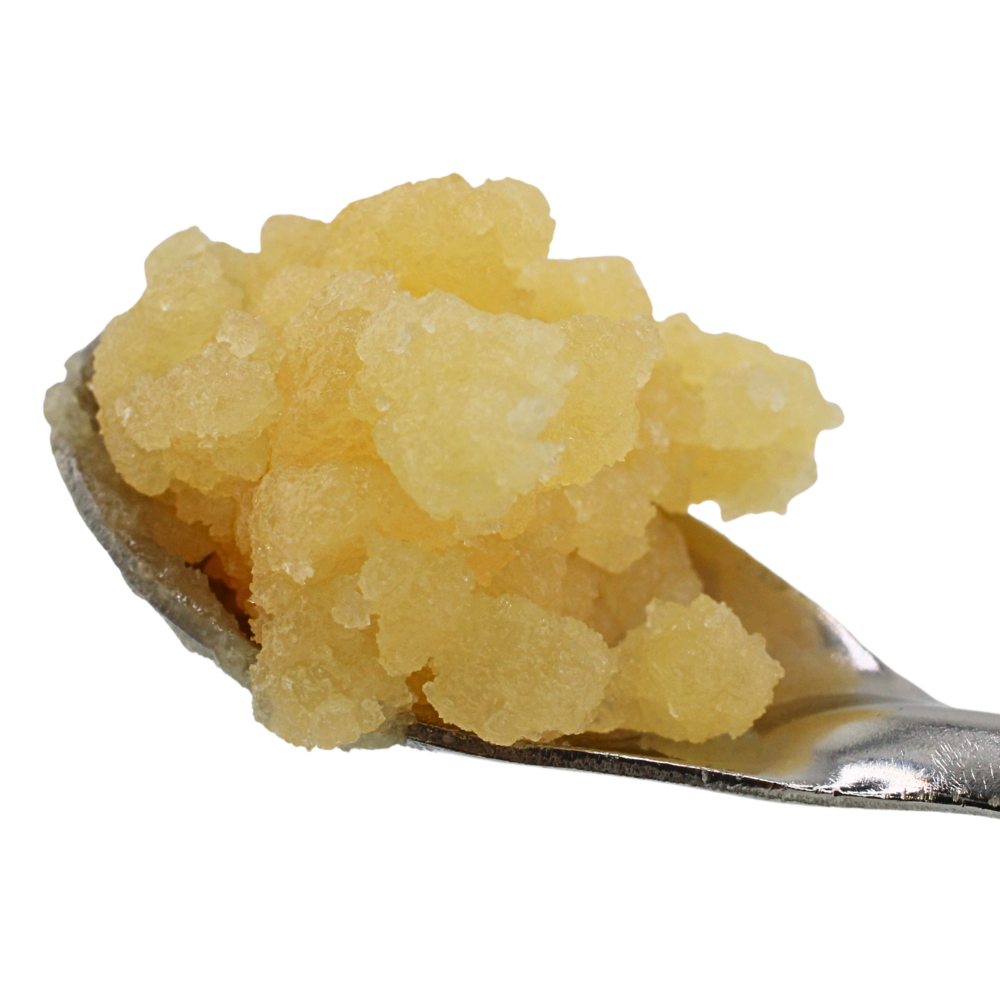
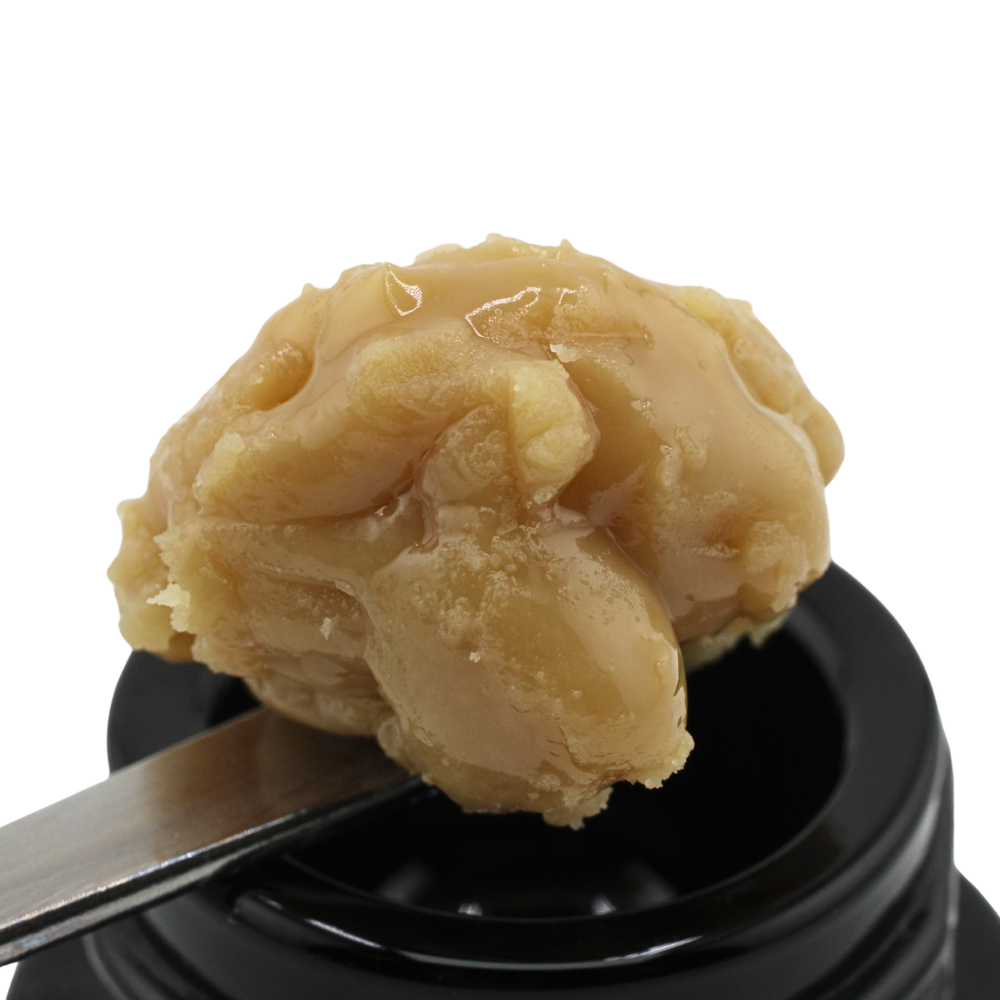
The end result is typically a stable, creamy, or badder-like consistency. Cold-cure rosin tends to be easier to handle, easier to scoop, and more predictable in terms of texture from jar to jar.
If you’ve ever seen rosin that looks like smooth peanut butter or whipped frosting, that’s likely a cold cure. It’s a more controlled, finished product, and that’s what sets it apart. You can learn more about exactly how this transformation works by reading about the Cold Cure Process.
Why Temperature Matters in Cold Cure

The cold curing process works because low temperatures slow down terpene degradation while allowing the natural fats, waxes, and cannabinoids in the rosin to solidify and recrystallize in a controlled way. It’s not a chemical process. Nothing is added. It’s just time and temperature working together.
This is part of what makes cold-cure rosin so appealing to people who care about ingredient integrity. You’re getting a transformed product, but the transformation is entirely natural.
Fresh Press vs Cold Cure: Breaking Down the Key Differences
Now that you understand what each one is, let’s get into how they actually compare across the things that matter most to consumers.
Flavor Profile
Fresh press rosin often delivers a brighter, more volatile terpene profile. Because it hasn’t spent time in a cold environment, the lighter, more fragile terpenes are still intact. Some people describe this as a livelier, more complex flavor, almost like comparing fresh juice to a well-aged one.
Cold-cure rosin, on the other hand, tends to offer a rounder and more settled flavor. Some of the sharpest top notes may have mellowed out slightly during the curing process, but what’s left is often a more cohesive and consistent taste experience.
Neither is inherently better from a flavor standpoint. It really comes down to whether you prefer vibrant and variable or smooth and dialed-in.
Consistency and Ease of Use

This is where cold cure often has a clear edge for most consumers. Fresh press can be sticky, runny, or inconsistent, especially if it’s been sitting at room temperature. It can be difficult to handle with a dab tool without making a mess.
Cold cure rosin’s stable, badder-like texture is significantly easier to portion and use. It holds its shape on a tool, it doesn’t drip, and it behaves predictably. If you’re newer to concentrating or just want less mess in your session, cold cure wins this category handily.
Shelf Stability
Fresh pressed rosin is more sensitive to temperature changes. If you leave it out too long or expose it to warmth, it can change consistency quickly, potentially separating into a more oily texture. Proper storage is critical, and if you’re curious about best practices, understanding Storing Cold-Cure Rosin can give you useful guidance that applies to both types.
Cold cure is more stable by design. The curing process has already allowed the product to settle into a structure that’s less reactive to small temperature fluctuations. It still benefits from cool, dark storage, but it’s generally more forgiving than fresh press.
Potency
Both fresh press and cold cure rosin can be highly potent, and neither process inherently degrades cannabinoid content in a meaningful way. Potency is much more dependent on the quality and cannabinoid content of the starting material than on whether the product was cured or not.
If someone tries to tell you one is always more potent than the other, that’s an oversimplification.
What you should care about more is the quality of the source material and the skill of the extractor.
Terpene Retention

This is a nuanced point. Fresh press tends to have higher concentrations of the most volatile terpenes simply because they haven’t had time to off-gas or change. However, cold cure is specifically designed to preserve terpenes through the curing process rather than degrade them. The terpenes in cold cure are just expressed differently.
Think of it less as one having more terpenes than the other, and more as them presenting different terpene expressions. Both can be rich in flavor when done correctly.
| Attribute | Fresh Press | Cold Cure |
|---|---|---|
| Texture | Sappy, oily, sometimes buttery; varies batch to batch | Stable, creamy, badder-like; predictable |
| Processing time after press | Minutes (packaged immediately) | 3 days to 2 weeks (sealed cold cure) |
| Flavor profile | Brighter, more volatile top notes | Rounder, more cohesive, mellowed |
| Shelf stability | Sensitive to temperature; can separate | More forgiving of small temperature shifts |
| Ease of handling | Can be sticky, runny, messy on a dab tool | Scoops cleanly, holds its shape |
| Best for | Experienced users chasing terpene brightness | Beginners and daily users who value consistency |
| Storage requirement | Strict cold, dark, airtight | Cool, dark; more tolerant of brief warmth |
Who Should Choose Fresh Press?
Fresh press rosin is a great choice if you’re an experienced concentrate user who appreciates the raw, unfiltered character of a product. If you love exploring how different strains express themselves at the moment of extraction, fresh press offers that kind of direct connection to the plant.
It also appeals to collectors and enthusiasts who want to experience rosin as it naturally comes off the press before any post-processing. There’s a certain purity to that, and for people who value it, it’s hard to match.
That said, be prepared to deal with a less predictable texture and to store it more carefully. It rewards attentive consumers.
Who Should Choose a Cold Cure?
Cold cure rosin is an excellent starting point for people who are newer to concentrate or who want a more reliable, user-friendly experience. The stable texture is genuinely easier to work with, and the flavor profile tends to be approachable without sacrificing quality.
It’s also a great choice for daily users who just want to grab a jar, take a dab, and not worry about their product running all over the place. The consistency and shelf stability make it practical in a way that fresh-pressed sometimes isn’t.
According to research published by the National Center for Biotechnology Information, terpene preservation in cannabis products is directly tied to processing temperatures and post-processing conditions, which underscores why both the pressing and curing stages matter so much in determining the final quality of a rosin product.
Is One Actually Better Than the Other?
Honestly, no. That’s not a cop-out, it’s just the truth. Fresh press and cold cure are two different expressions of the same solventless extraction method. They appeal to different preferences and serve different needs.
If forced to pick a winner for most people in most situations, cold cure tends to be more practical, more consistent, and more forgiving without sacrificing the core quality that makes rosin worth caring about in the first place. But an experienced enthusiast who knows exactly what they want from a fresh press experience will find it genuinely irreplaceable.
The better question isn’t which one is better universally. It’s which one is better for you.
| Scenario | Recommended | Why |
|---|---|---|
| First-ever dab | Cold Cure | Stable texture, easy to portion, hard to mess up |
| Daily-driver jar | Cold Cure | Consistency from jar to jar, shelf-friendly |
| Single-strain tasting | Fresh Press | Brightest, most volatile terpene expression |
| Travel or warm climates | Cold Cure | More tolerant of brief temperature exposure |
| Collector experience | Fresh Press | Closest possible product to live extraction |
| Gifting to a friend | Cold Cure | Won’t surprise them with weird texture |
Finding Quality Rosin You Can Trust
Whether you lean toward fresh press or cold cure, the most important factor is the quality of the product itself. That means solventless extraction, quality starting material, and a process that respects the integrity of the plant throughout.
At Crysp, the focus has always been on curating products that reflect genuine craft. The cold-cure offerings, in particular, are sourced from artisans who understand that this process isn’t just about texture. It’s about honoring the plant and producing something worth savoring.
Conclusion
Fresh press rosin and cold cure rosin both deserve a place in any serious concentrate enthusiast’s experience. They offer different textures, different flavor expressions, and different practical advantages. Fresh press rewards the curious and the adventurous. Cold cure rewards the consistent and the practical.
If you haven’t tried cold-cure rosin yet, it’s a genuinely great entry point into the world of solventless concentrates. It’s clean, flavorful, and made the right way. Explore what Crysp has to offer and see why more people are discovering that the best concentrates don’t need chemicals to shine. Reach out now.