
If you’ve been following the hemp market, you probably know that federal law requires Delta-9 THC to stay below 0.3% by dry weight. What most people don’t realize is that Louisiana plays by a different set of rules – and those rules trip up buyers and sellers alike.
Louisiana applies what’s known as a total THC standard, not just a Delta-9 THC limit. That distinction sounds small, but it changes everything about how hemp products are evaluated, sold, and legally permitted in the state. Understanding this math isn’t just for lawyers and lab technicians. If you’re a consumer trying to figure out what’s legal and what isn’t, this is exactly the kind of thing you need to know.
What Is Total THC, and Why Does It Matter?
Most people think of THC as one thing. In reality, cannabis plants produce dozens of related compounds, and several of them can convert into active Delta-9 THC either through heat, digestion, or chemical processes.
Total THC is a calculation that accounts for Delta-9 THC and THCA (tetrahydrocannabinolic acid), the raw, non-intoxicating precursor to Delta-9. When THCA is exposed to heat – through smoking, vaping, or even baking – it undergoes a process called decarboxylation and becomes Delta-9 THC.
The formula regulators use looks like this:
Total THC = Delta-9 THC + (THCA x 0.877)
That 0.877 is a conversion factor that accounts for the molecular weight lost during decarboxylation. The logic is straightforward: if a product contains significant THCA, it has the potential to produce significant Delta-9 THC. Louisiana’s law treats that potential as something that needs to be regulated.
How Louisiana’s Hemp Law Differs From Federal Standards
The 2018 Farm Bill set the national benchmark at 0.3% Delta-9 THC by dry weight. Under that standard, a hemp flower with 20% THCA and 0.2% Delta-9 THC is technically federally compliant, because only the Delta-9 number is measured.
Louisiana doesn’t see it that way. The state requires that total THC – that combined THCA and
Delta-9 calculation – also stay below 0.3%. That means the same flower with 20% THCA would be wildly out of compliance under Louisiana law, regardless of how low its Delta-9 number is.
This is a significant gap between state and federal standards, and it’s one of the reasons Louisiana is on the restricted shipping list for many hemp retailers. Selling high-THCA hemp products into Louisiana isn’t just a gray area – it puts businesses in direct conflict with state law.
The Math Most Buyers Are Getting Wrong
Here’s where people go wrong. They look at a certificate of analysis (COA) from a licensed hemp lab, see that Delta-9 THC is listed at 0.2% or 0.25%, and assume the product is legal everywhere. That assumption is flawed, especially for consumers in Louisiana.
Let’s run a realistic example:
A THCA hemp flower might test at:
- THCA: 18%
- Delta-9 THC: 0.2%
Using Louisiana’s formula:
Total THC = 0.2 + (18 x 0.877) = 0.2 + 15.79 = 15.99%
That product is nearly 16% total THC by that calculation – far beyond the 0.3% threshold. Yet under federal rules, the same flower is perfectly legal hemp. This is the gap that catches buyers off guard and puts vendors in a difficult position.
If you’re in Louisiana and you’ve been purchasing THCA flower or high-potency hemp products online, the math above explains exactly why reputable retailers have restricted shipping to your state.
Why THCA Products Are the Center of This Debate
THCA has become one of the most talked-about compounds in the hemp space. In its raw form, THCA is non-intoxicating – it doesn’t produce the psychoactive effects associated with Delta-9 THC.
That’s part of what made high-THCA hemp products so appealing to retailers and consumers alike. Under federal standards, hemp is evaluated based on its Delta-9 THC content — and THCA, in its raw form, is a distinct compound that falls outside that measurement.
States like Louisiana have taken a different view. Because THCA converts to Delta-9 when heated, regulators argue that the Delta-9-only standard doesn’t fully capture a product’s potency profile. The total THC calculation reflects that regulatory perspective, factoring in THCA’s conversion potential when assessing whether a product meets state thresholds.
For a deeper look at how these compounds interact and what they actually do in the body, the THCA vs. THC differences article from Crysp breaks it down in plain terms.
What a Certificate of Analysis Actually Tells You
A COA is a lab report that documents the cannabinoid profile of a hemp product. Every reputable hemp product should have one, and it should come from an accredited, third-party laboratory.
When you read a COA, you’ll typically see an “as-is” column and a “decarboxylated” column.
The as-is column reflects raw levels of each cannabinoid as they exist in the product before any heat is applied. The decarboxylated column is where total THC lives – it shows what the cannabinoid profile would look like after full conversion.
In Louisiana, regulators look at the decarboxylated values. If you’re evaluating whether a product meets Louisiana’s standards, you can’t just look at the Delta-9 number in isolation. You need to find the total THC figure on the COA, or calculate it yourself using the formula above.
Retailers who don’t make their COAs publicly available are a red flag regardless of which state you’re in. Transparency in lab testing is a baseline expectation for any trustworthy hemp company.
What Louisiana Hemp Consumers Can Actually Buy Legally
This is where things get more nuanced. Louisiana does have a legal hemp market – it just operates under stricter parameters than most states. CBD products that derive from hemp and contain minimal THCA and Delta-9 THC can still be compliant with Louisiana’s total THC standard.
The key is that total THC – not just Delta-9 – must remain below 0.3%. Products like broad-spectrum CBD oils, hemp-derived CBD gummies without significant THCA content, and certain topicals may pass that threshold. Flower and vape products with significant THCA concentrations almost certainly won’t.
If you’re a Louisiana resident navigating this space, the safest approach is to request a COA for any product you’re considering, run the total THC calculation yourself, and only purchase from vendors who are upfront about state restrictions.
The Broader Pattern: States Tightening Hemp Rules
Louisiana isn’t alone. Several states have moved toward total THC standards or have introduced other measures that tighten restrictions on hemp-derived products, particularly those with high THCA levels. The patchwork of state laws has created a complicated compliance environment for both retailers and consumers.
According to the National Conference of State Legislatures, states continue to update their hemp statutes regularly, and what’s compliant today may face new scrutiny as legislatures respond to the growing market for high-potency hemp products.
The direction most states are moving is toward stricter, not looser, oversight. That trend makes it more important than ever for consumers to understand what they’re buying and to rely on retailers who prioritize compliance over convenience.
How to Evaluate Any Hemp Product for Compliance
Whether you’re in Louisiana or another state with nuanced hemp rules, the process for evaluating a product’s compliance comes down to a few straightforward steps.
Start with the COA. Find the decarboxylated or total THC figure, not just the Delta-9 number. If the COA doesn’t include that calculation, do it yourself using the formula: Delta-9 + (THCA x 0.877). Compare that number against the threshold in your state – for Louisiana, that’s 0.3%.
Then check the retailer. Do they list restricted states? Are their COAs publicly available? Do they respond to compliance questions with transparency? These aren’t just nice-to-haves.
They’re baseline indicators of whether a company is operating responsibly.
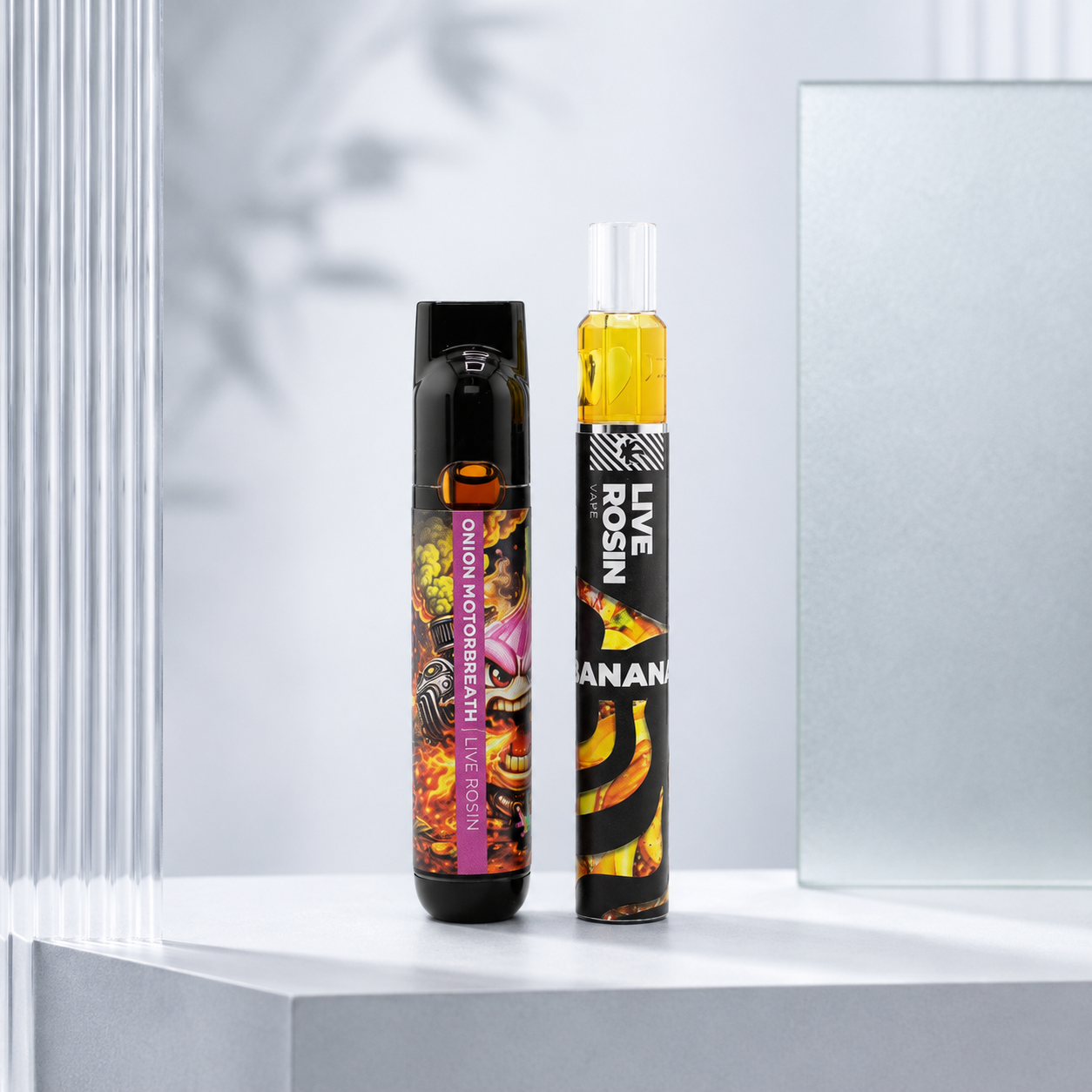
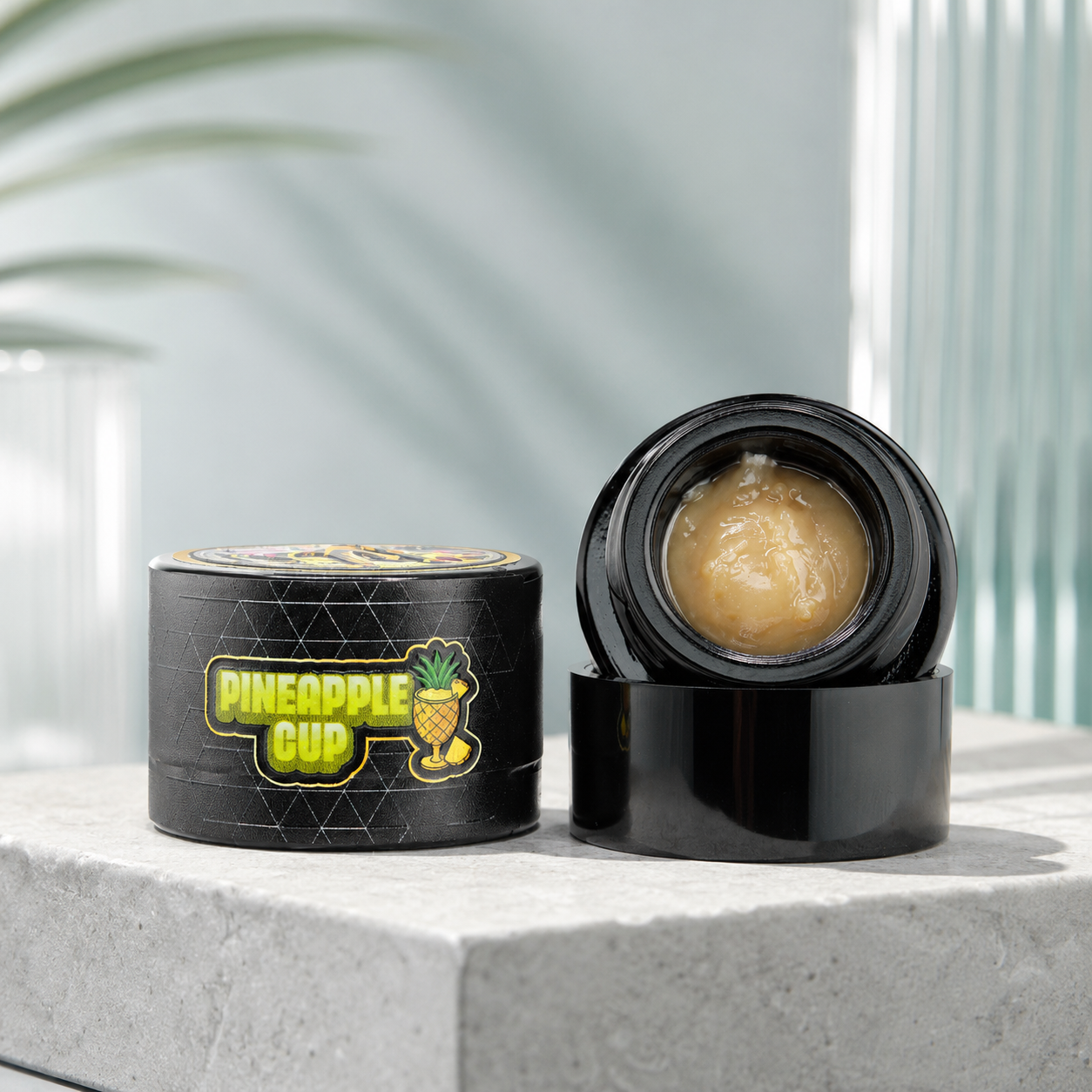
Finally, understand the product category. Flower, vapes, and concentrates with significant THCA content are the most likely to run into total THC issues. Lower-potency CBD products are much more likely to clear the bar in states like Louisiana.
The Compliance Gap Is Real – and It Costs Consumers
The frustrating reality for hemp enthusiasts in Louisiana is that some of the most interesting products on the market – THCA flower, live resin, high-potency concentrates – are simply not accessible through legitimate, compliant channels in the state right now.
It’s a reflection of the gap between federal hemp law and Louisiana’s more conservative regulatory approach. Until that gap closes, either through federal action or state-level reform, Louisiana consumers are working with a narrower menu.
Understanding why that is – and understanding the math behind it – at least puts you in a position to make informed decisions rather than stumbling into a legal gray area without realizing it.
Conclusion
Louisiana’s total THC rule is one of the clearest examples of why hemp compliance isn’t as simple as checking a single number on a lab report. The federal standard and the Louisiana standard measure different things, and the gap between them is wide enough to catch buyers completely off guard.
If you’re in Louisiana, know the formula. Know which products are realistically going to clear the 0.3% total THC threshold, and know which ones aren’t. And if a retailer isn’t restricting shipments to Louisiana when they’re selling high-THCA products, that silence should tell you something about how seriously they take compliance.
For everyone else who wants to understand the hemp landscape more deeply before making a purchase decision, starting with the science is always the right move. A comprehensive overview of THCA is a good place to begin if you want to understand exactly what you’re buying and why the rules around it are as complicated as they are.
The hemp market is maturing fast. The consumers who navigate it best are the ones who take the time to understand what’s actually in the products they’re considering – and what the law in their state actually says about it.